
In-depth articles on microbiome science
Long-form explainers on gut health, probiotics, the gut-brain axis, diet, and testing — each one referenced to published research and reviewed for accuracy.
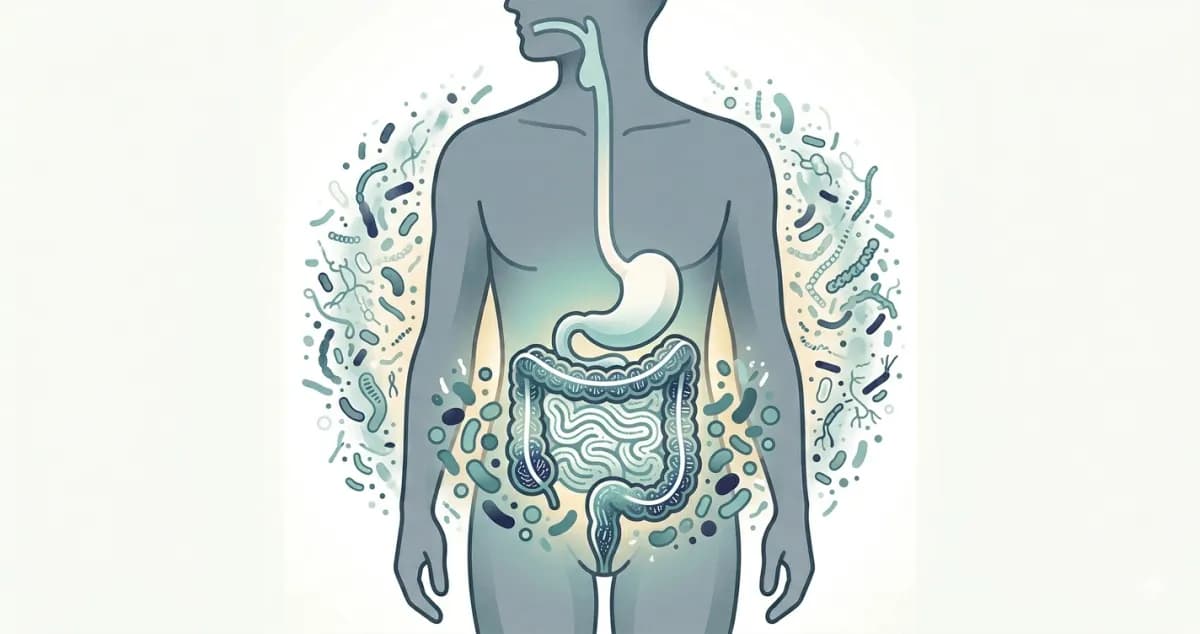
What Is the Human Microbiome? A Complete Introduction
Your body hosts roughly 39 trillion microorganisms — more than the number of human cells you have. Here's what they do, why they matter, and how they shape your health.
The full microbiome library
A clean index of referenced articles across gut health, diet, probiotics, testing, and the gut-brain axis.

Your Skin Microbiome: What Lives on Your Skin and Why It Matters
Your skin hosts roughly one trillion microorganisms — bacteria, fungi, viruses, and mites — that form a living shield. Understanding this invisible ecosystem is changing how dermatologists think about skin health.
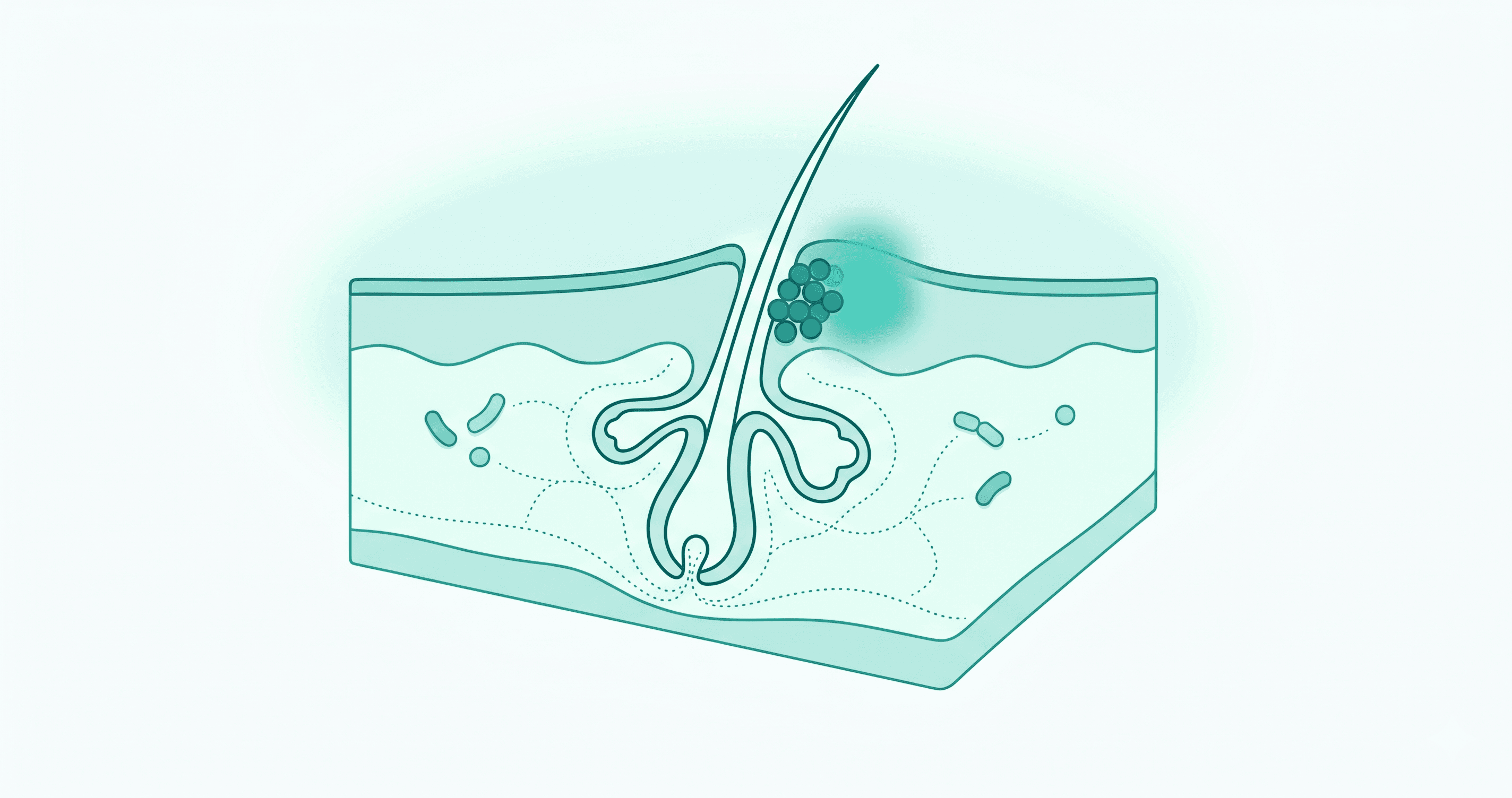
Acne and the Microbiome: What the Research Shows
Acne is far more than a teenage nuisance — it affects 85% of people at some point. Emerging research suggests the skin and gut microbiome play a bigger role than previously thought.
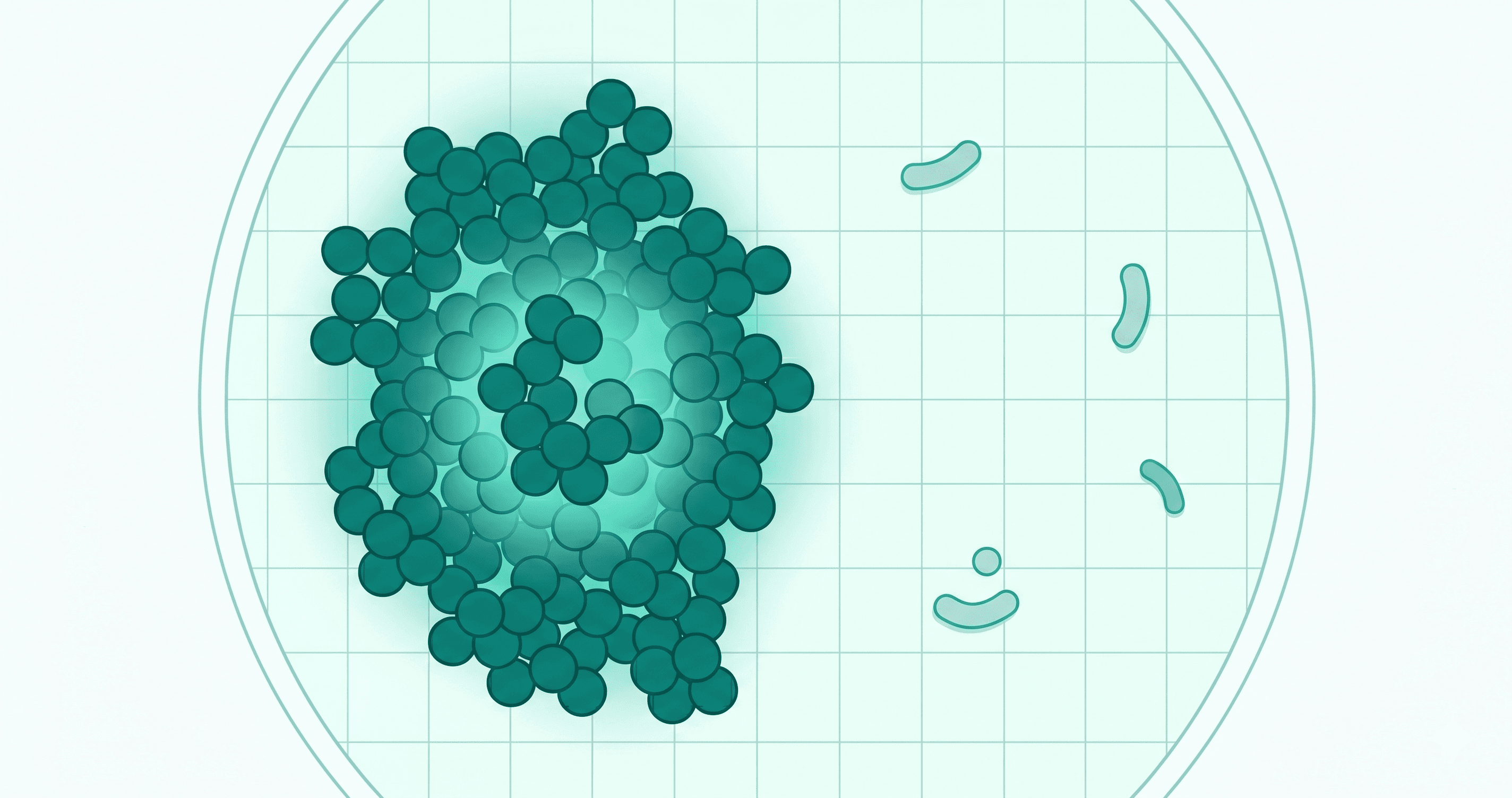
Eczema and the Skin Microbiome: The Staphylococcus Connection
Eczema flares are consistently linked to an overgrowth of Staphylococcus aureus and a collapse in skin microbial diversity. Here is what the research shows and what treatments are on the horizon.
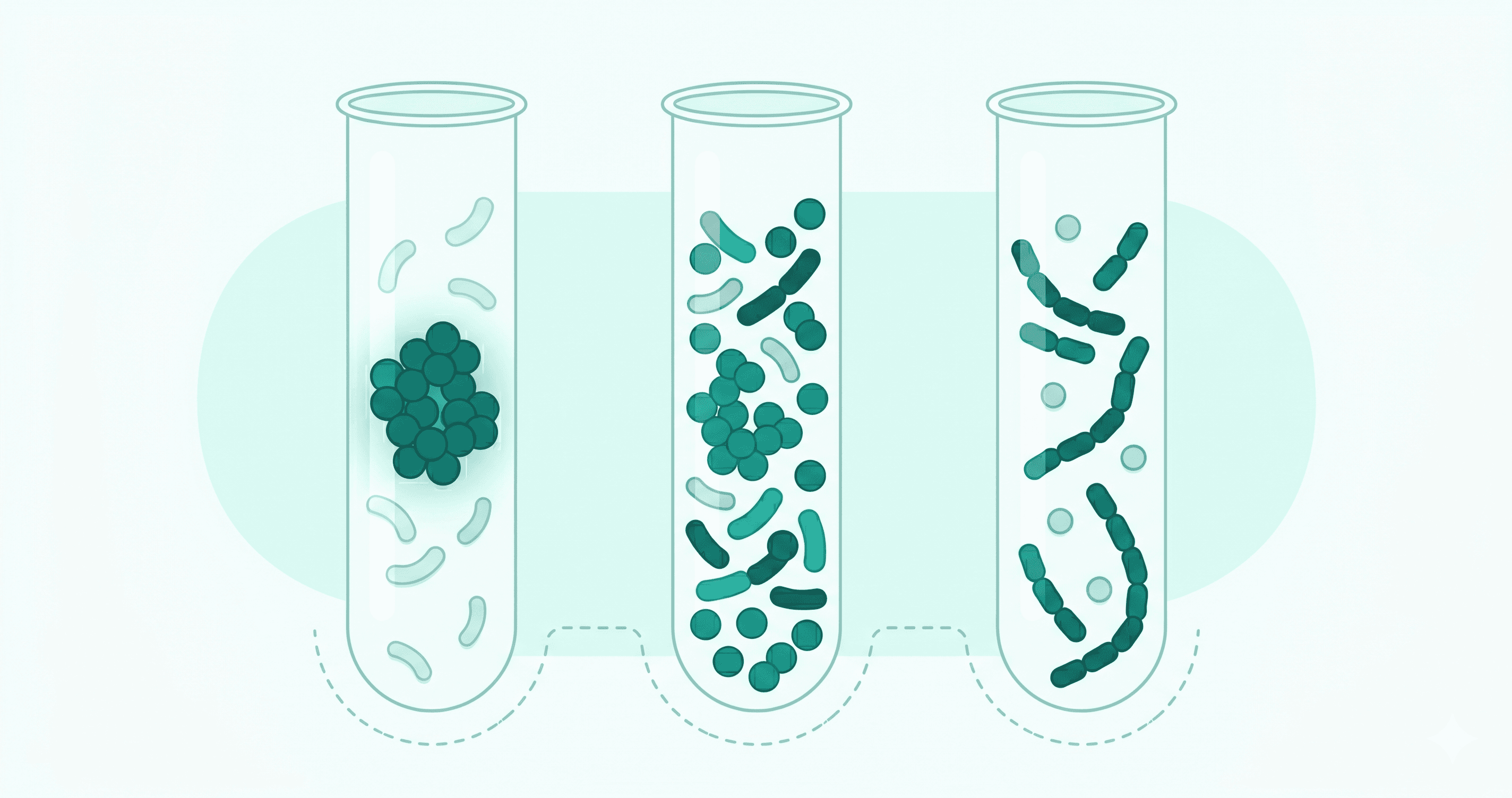
How Accurate Are Gut Microbiome Tests? What the Science Says
Commercial microbiome tests promise personalised insights, but how reproducible are the results? We examine inter-lab variation, sequencing methods, and what the science says about accuracy.
Zoe Gut Health Test: What You Get and Is It Worth It?
Zoe is the UK's most popular personalised nutrition programme, combining gut microbiome, blood sugar, and blood fat testing. We assess the science, the experience, and whether it delivers value for the price.
A Practical Guide to Microbiome Testing in the UK
From Zoe to Atlas Biomed and Thriva, the UK market for microbiome tests is growing. Here is what each test measures, what it costs, and whether you actually need one.
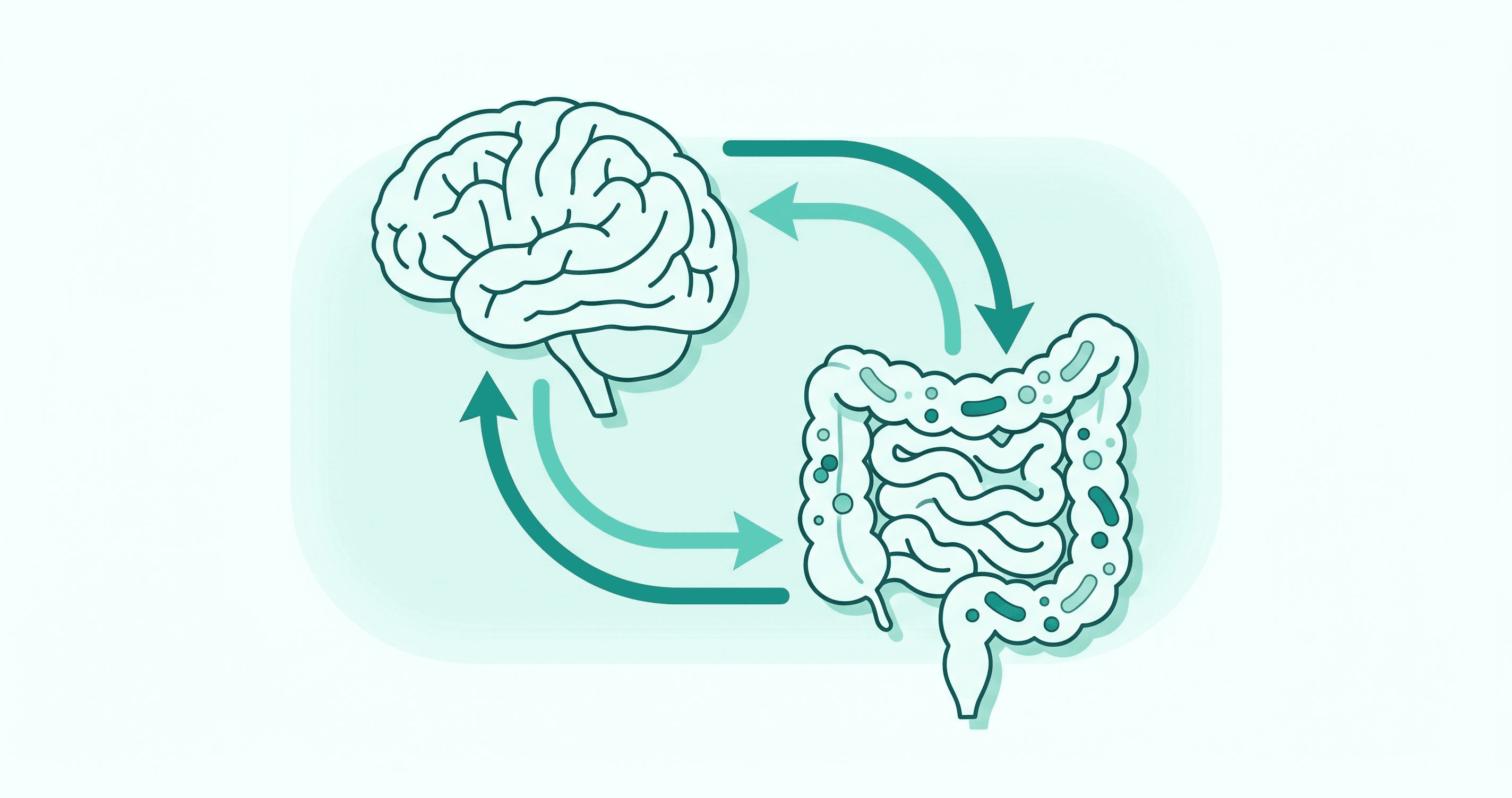
How Stress Affects Your Gut: The Two-Way Street
Stress does not just feel bad — it physically alters your gut microbiome. The HPA axis, vagus nerve, and intestinal barrier are all involved in a bidirectional stress-gut loop that research is only beginning to untangle.
Gut Bacteria and Anxiety: What Does the Evidence Say?
Headlines claim probiotics can treat anxiety. The reality is more nuanced — animal studies are compelling, but human evidence is still catching up. Here is a balanced look at the psychobiotics field.
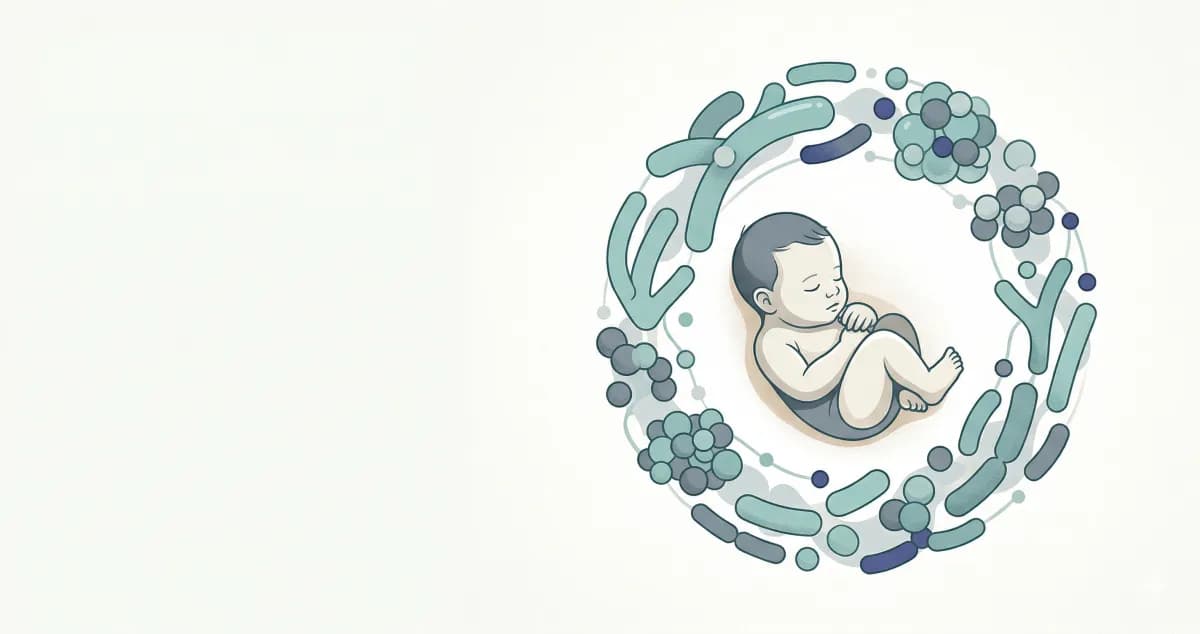
The Baby Microbiome: Why the First 1,000 Days Shape Lifelong Health
From birth to age three, a child's microbiome undergoes the most dramatic development it will ever experience. How a baby is born, fed, and raised has lasting consequences for immune function, allergy risk, and metabolic health.

Best Probiotics in the UK: An Evidence-Based Guide to What Actually Works
The UK probiotic market is crowded with options. We assess the most popular products — Symprove, Bio-Kult, Optibac, VSL#3, and others — against the clinical evidence for their specific strains.
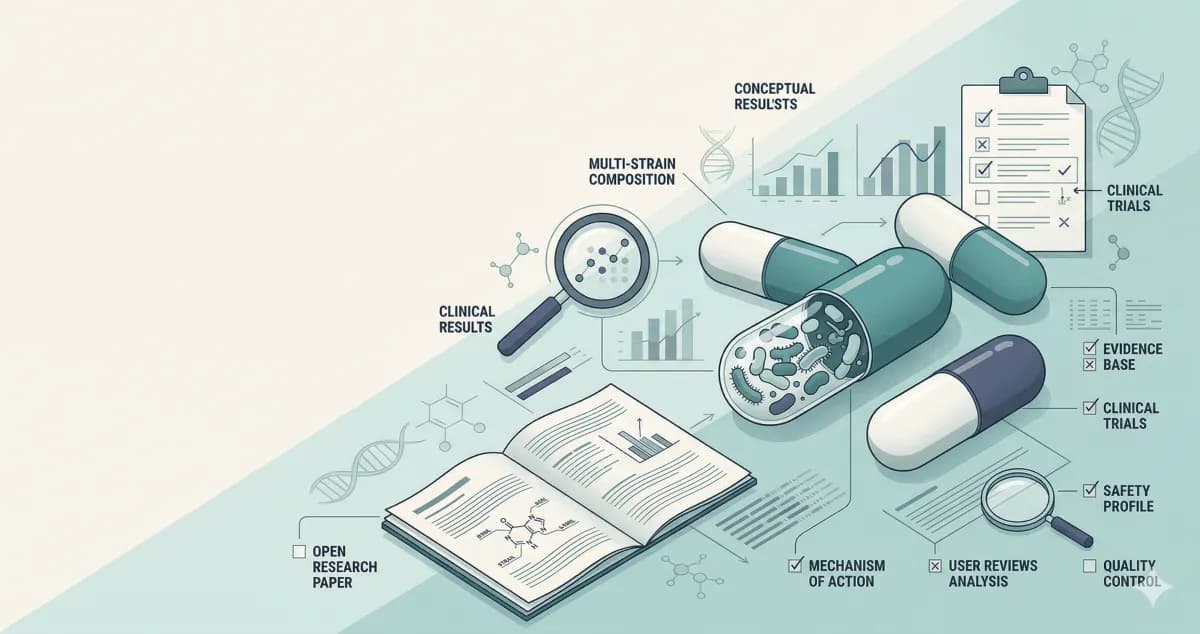
Bio-Kult Review: An Evidence-Based Assessment
Bio-Kult is one of the UK's most popular multi-strain probiotics. We examine the clinical evidence behind its 14-strain formula, what conditions it may help with, and how it compares to alternatives.

Gut Health After 50: How the Microbiome Changes with Age and What You Can Do
After 50, microbial diversity naturally declines while inflammation-associated bacteria increase. Understanding these shifts can help you protect your gut health, immunity, and cognitive function as you age.
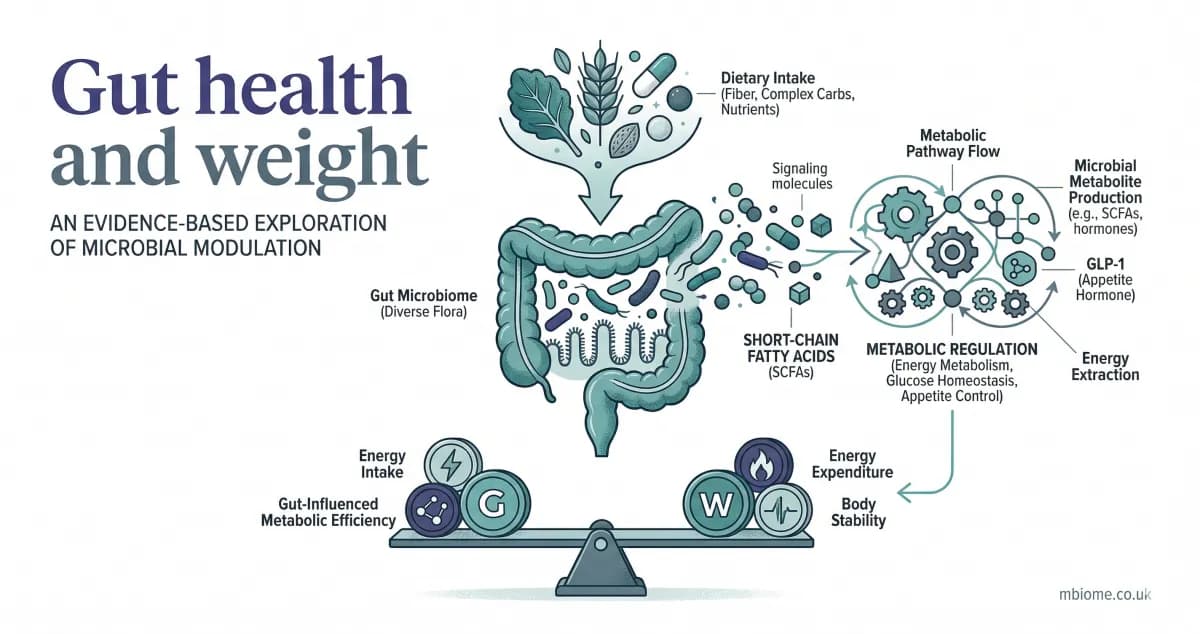
The Microbiome and Weight: What Science Really Says About Gut Bacteria and Body Weight
Research increasingly links the gut microbiome to weight regulation, but the relationship is complex. We examine the evidence — from landmark mouse studies to human trials — and separate proven mechanisms from premature claims.
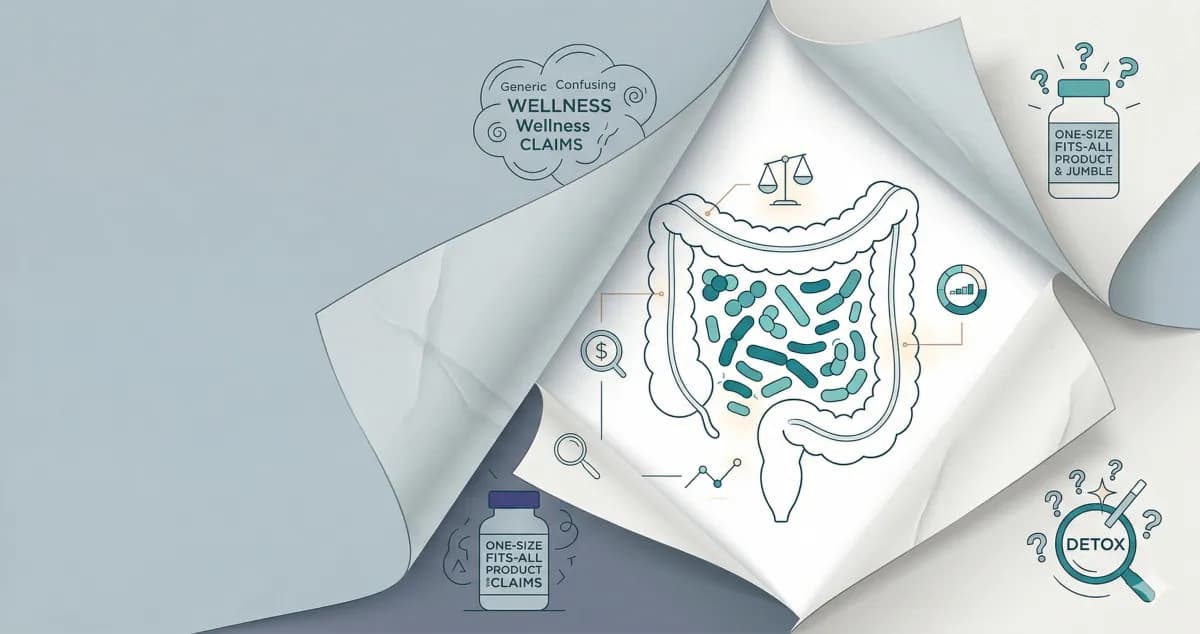
Gut Health Myths Debunked: 10 Common Claims That Don't Stand Up to Science
From "leaky gut syndrome" to juice cleanses and the idea that all bacteria are either good or bad, gut health is surrounded by myths. Here's what the evidence actually says.
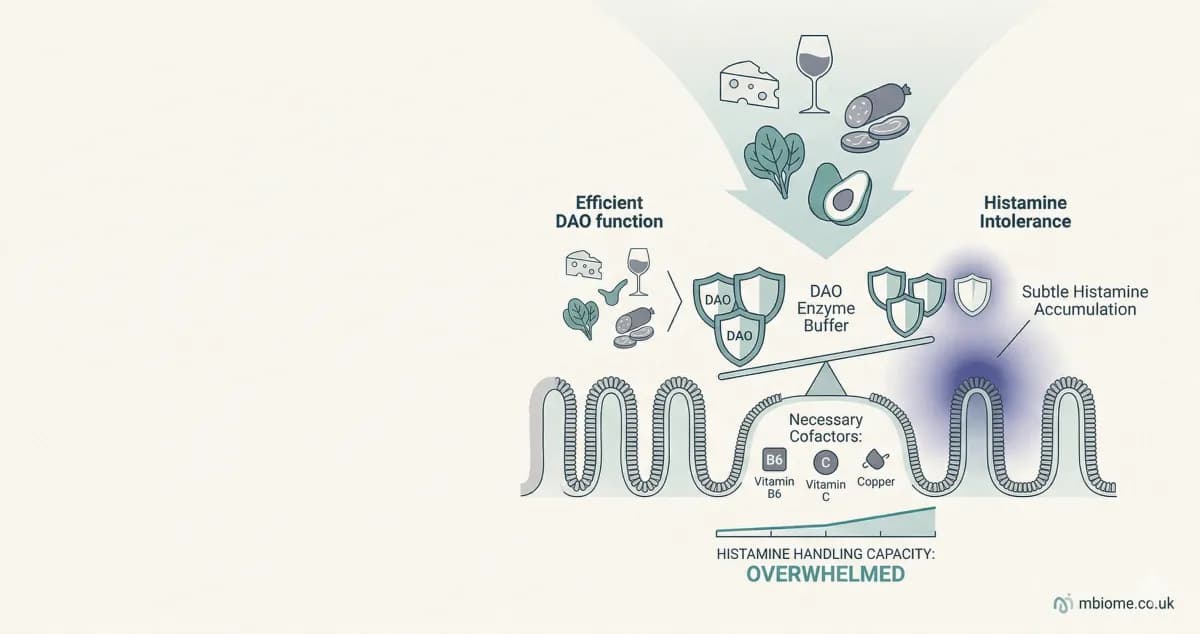
Histamine Intolerance and the Gut Microbiome: What the Research Shows
Histamine intolerance causes symptoms from headaches to skin flushing and digestive distress. Emerging research points to the gut microbiome — and specifically histamine-producing bacteria — as a key factor.
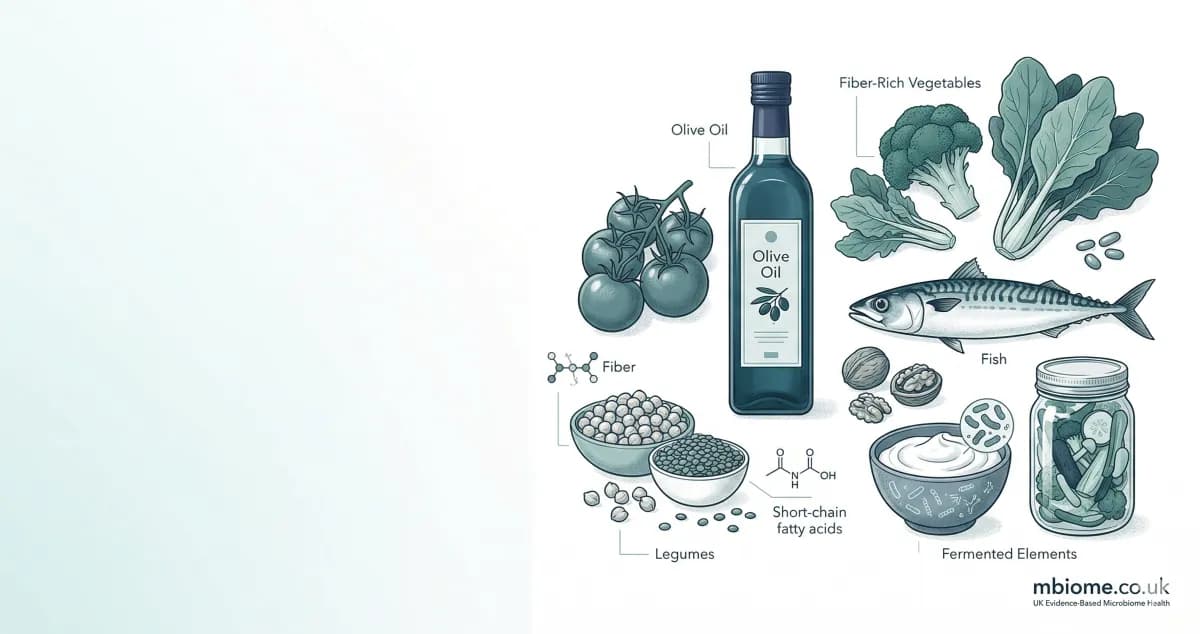
The Mediterranean Diet and the Microbiome: Why It Keeps Topping the Evidence
The Mediterranean diet is the most studied dietary pattern in microbiome research, consistently linked to greater microbial diversity, reduced inflammation, and better metabolic health. Here's what the science shows and how to apply it.

Microbiome Myths vs Reality: Separating Science from Hype
The microbiome is genuinely one of the most exciting frontiers in health science, but it has also attracted an extraordinary amount of hype, oversimplification, and outright misinformation. Here is what we actually know.

How to Buy a Probiotic in the UK: A Practical, Evidence-Based Guide
Walking into a pharmacy and choosing a probiotic is bewildering. Dozens of products, hundreds of claims, no medical guidance on the shelf. Here is a practical framework for making an informed decision.

Probiotic Strain Guide: Which Strains Do What — and What the Evidence Shows
Not all probiotics are equal. Benefits are strain-specific, meaning the exact bacterial strain determines what conditions it may help with. This guide covers the most researched probiotic strains and their evidence.
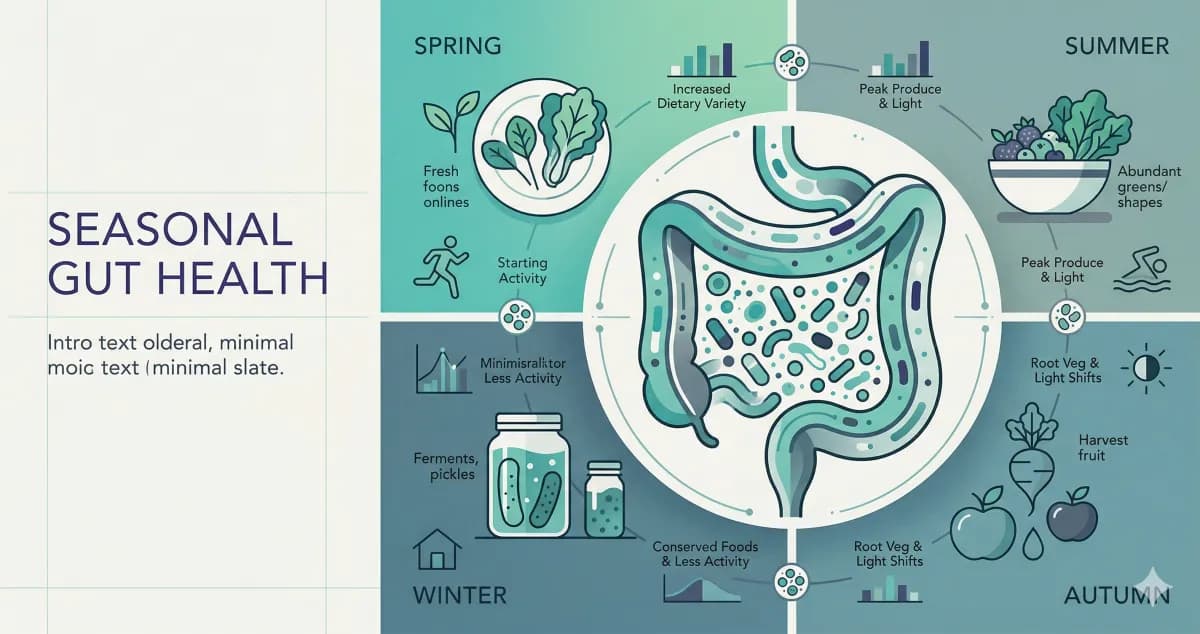
How the Seasons Affect Your Gut Health and Microbiome
Your gut microbiome shifts with the seasons — driven by changes in diet, sunlight exposure, activity levels, and even temperature. Here's what the research says about seasonal microbial variation.
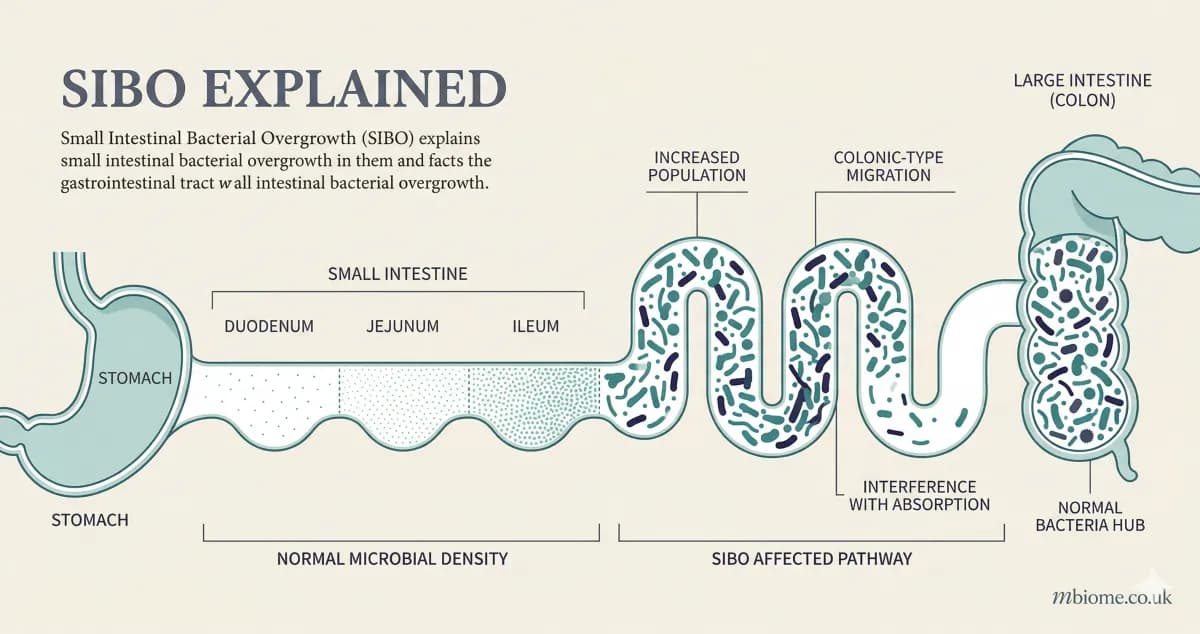
SIBO Explained — Symptoms, Testing and Treatment
Small intestinal bacterial overgrowth (SIBO) is increasingly recognised as a cause of chronic bloating, pain, and digestive distress. Here's what the evidence says about diagnosis and management.
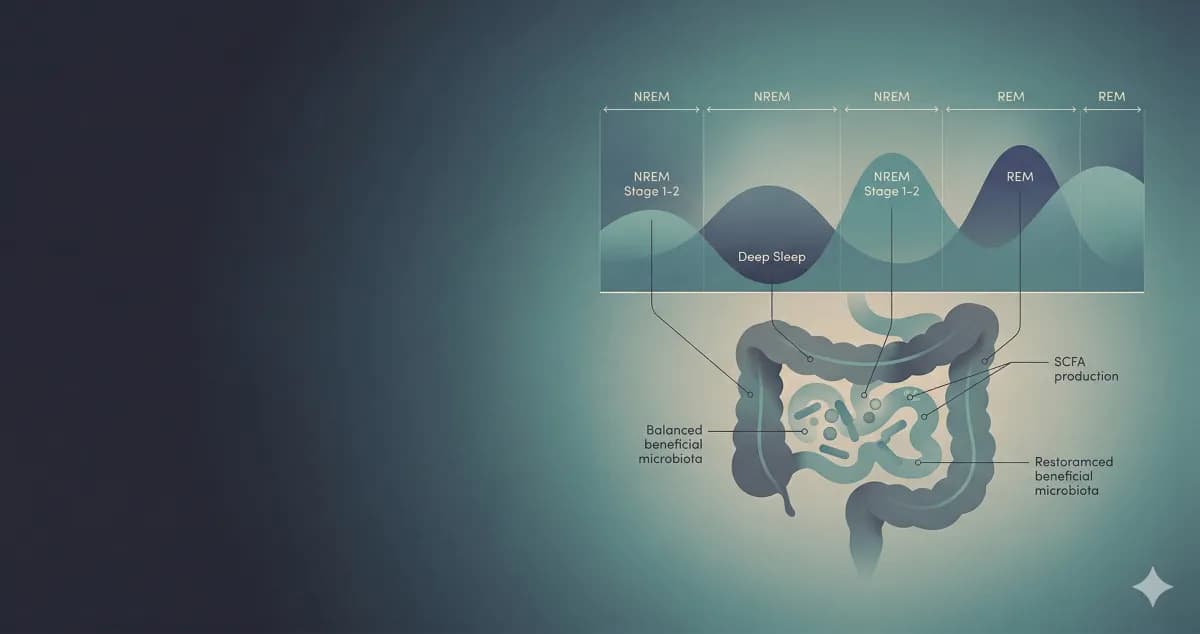
Sleep and the Microbiome: A Two-Way Relationship
Poor sleep disrupts your gut bacteria, and an imbalanced microbiome disrupts your sleep. Here's what the research reveals about this bidirectional connection.
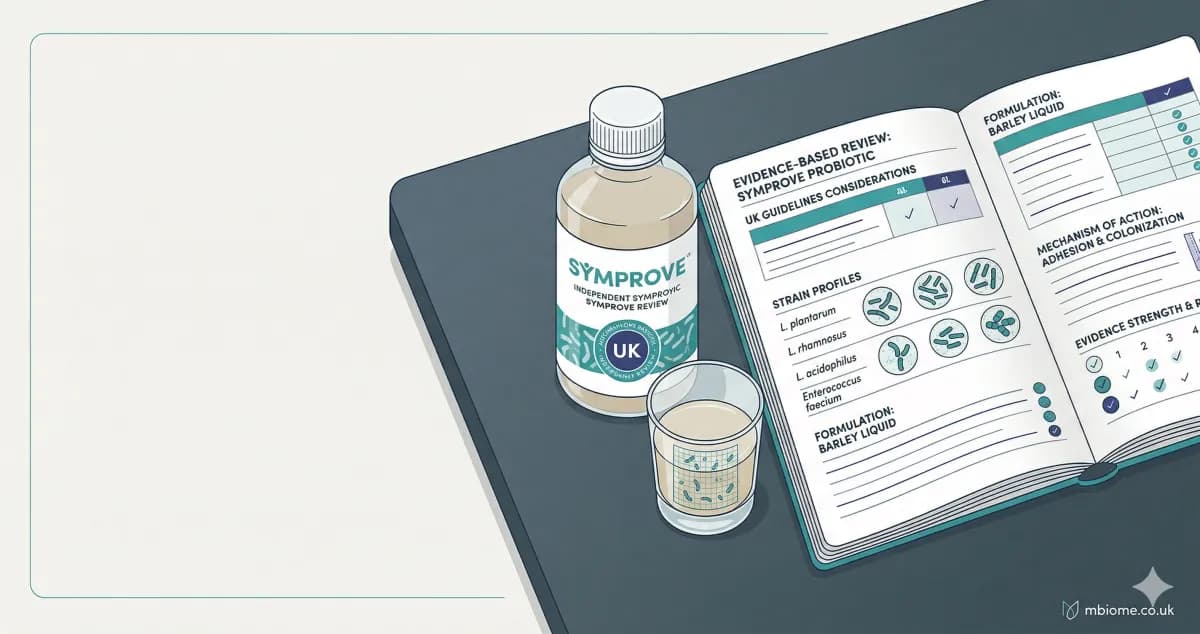
Symprove Review — Evidence-Based Assessment
Symprove is one of the UK's most popular liquid probiotics, but does it live up to the marketing? We examine the clinical evidence, formulation, and value for money.
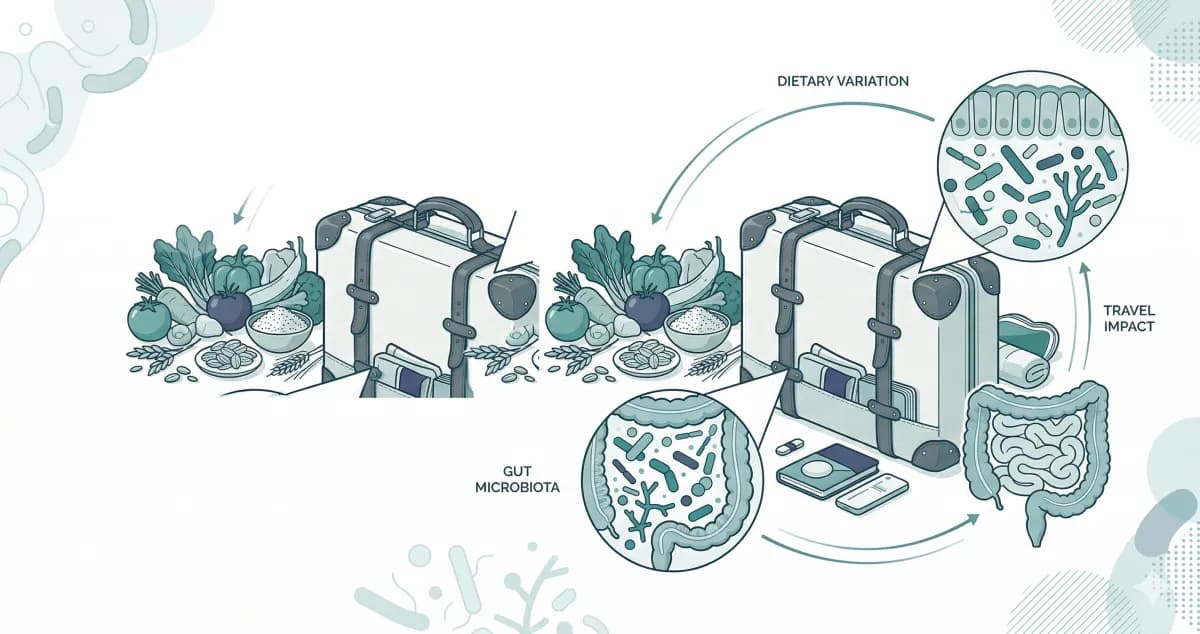
How Travel Affects Your Microbiome — From Jet Lag to Traveller's Diarrhoea
Travel disrupts your microbiome through time zone changes, unfamiliar diets, contaminated water, and stress. Here's what the research says and how to protect your gut on the road.
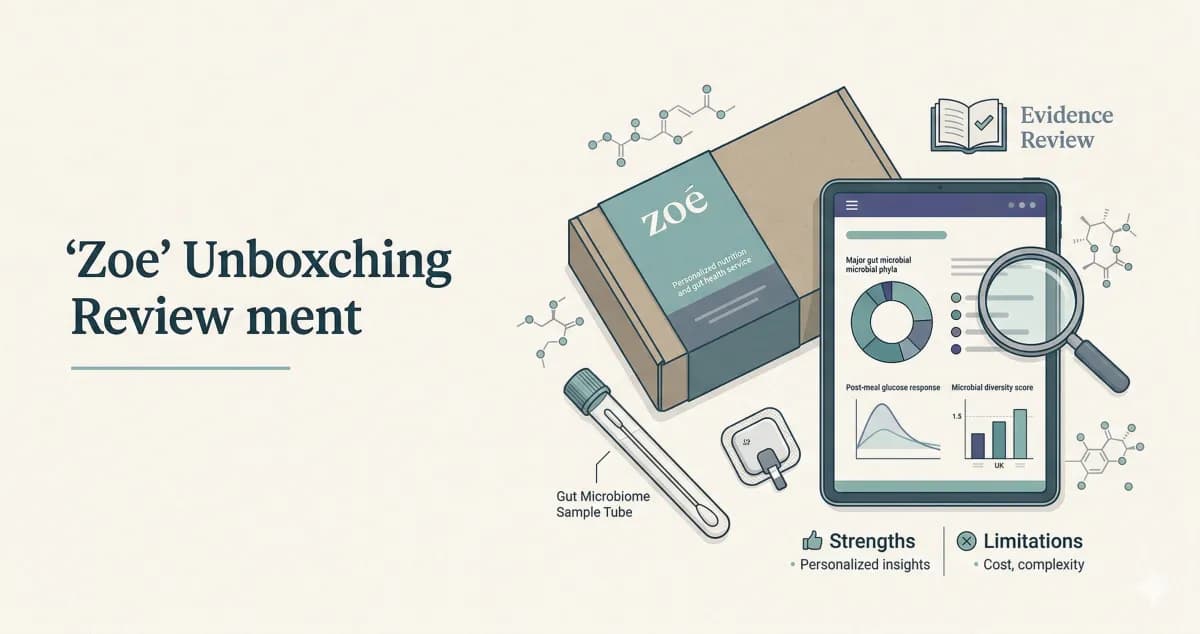
ZOE Review — Is Personalised Nutrition Testing Worth It?
ZOE promises to decode your unique biology through gut microbiome, blood sugar, and blood fat testing. We examine the science, the experience, and whether it delivers value.
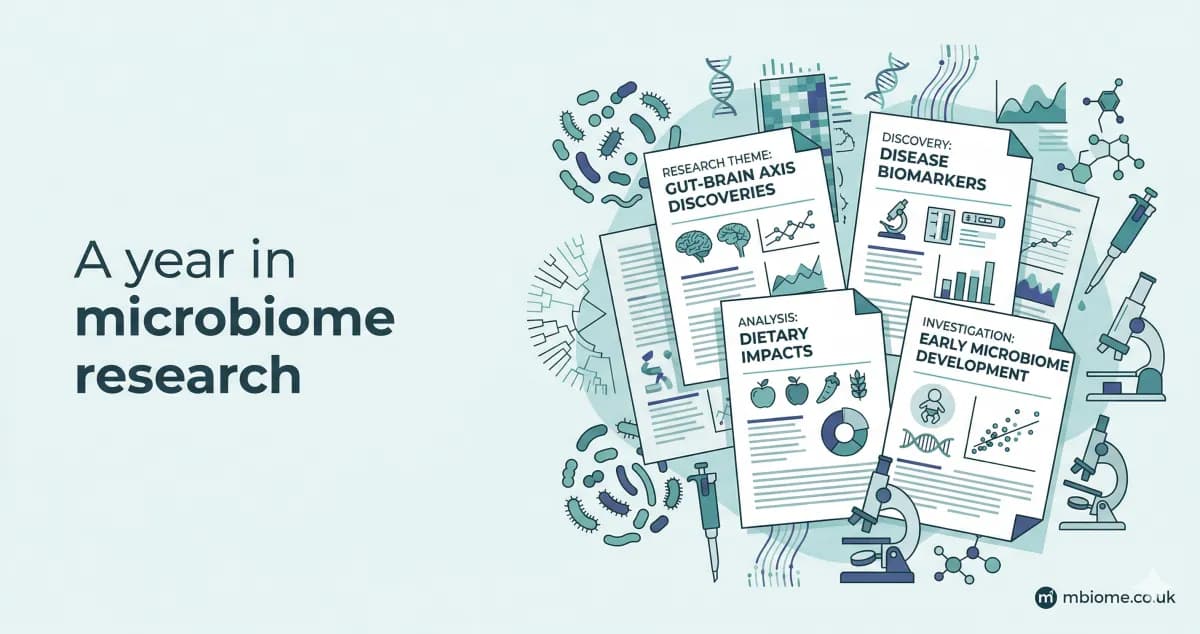
2025 in Microbiome Research — The Biggest Breakthroughs
From faecal microbiota transplant approvals to AI-driven microbiome diagnostics, 2025 was a landmark year for gut science. Here are the most significant advances.
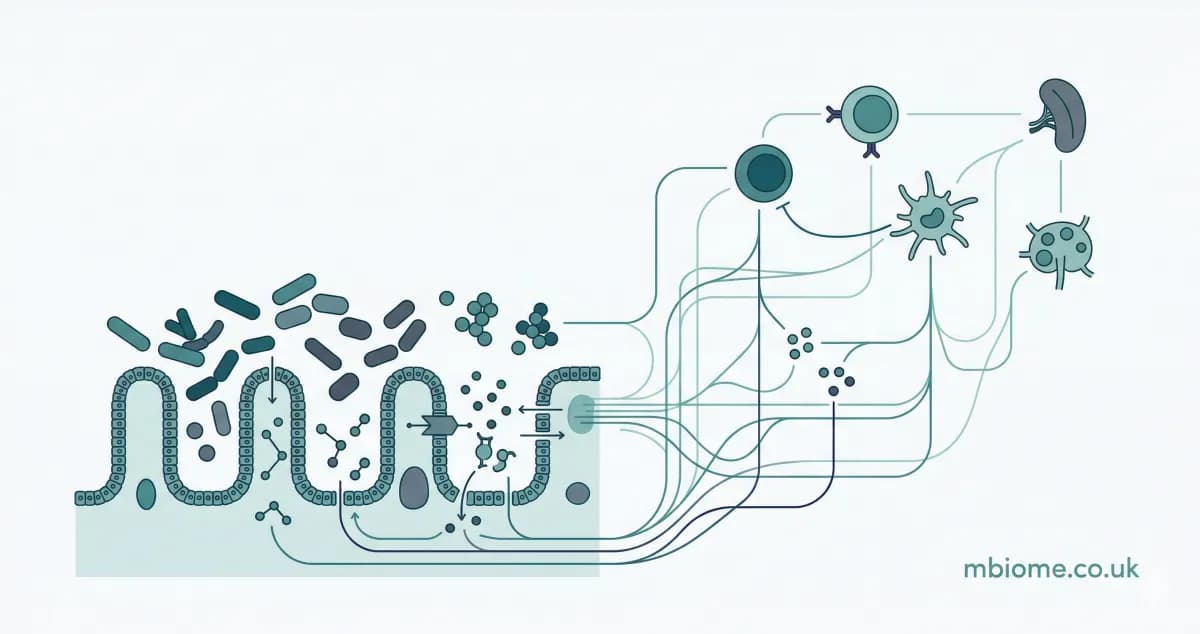
The Autoimmune-Microbiome Connection: What Research Reveals
From rheumatoid arthritis to type 1 diabetes, autoimmune diseases are increasingly linked to gut microbiome disruption. Here's what the evidence says about this critical relationship.
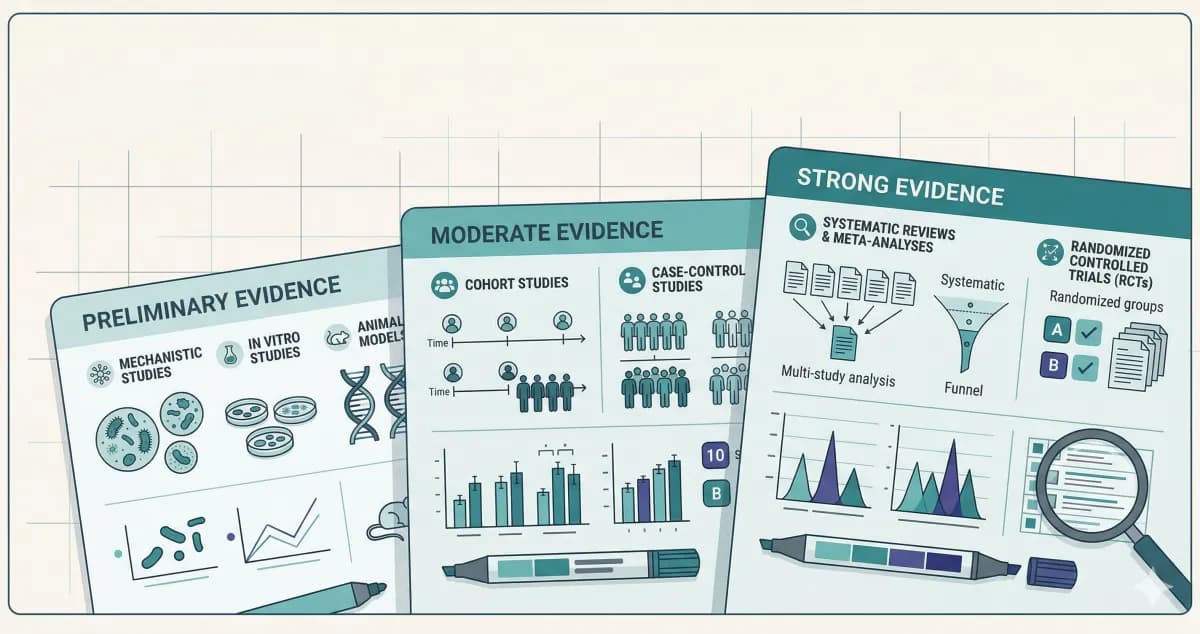
How to Read Microbiome Research — Understanding Evidence Strength
Not all studies are created equal. Here's how to evaluate microbiome research claims, from mouse models to randomised controlled trials, so you can separate genuine breakthroughs from hype.
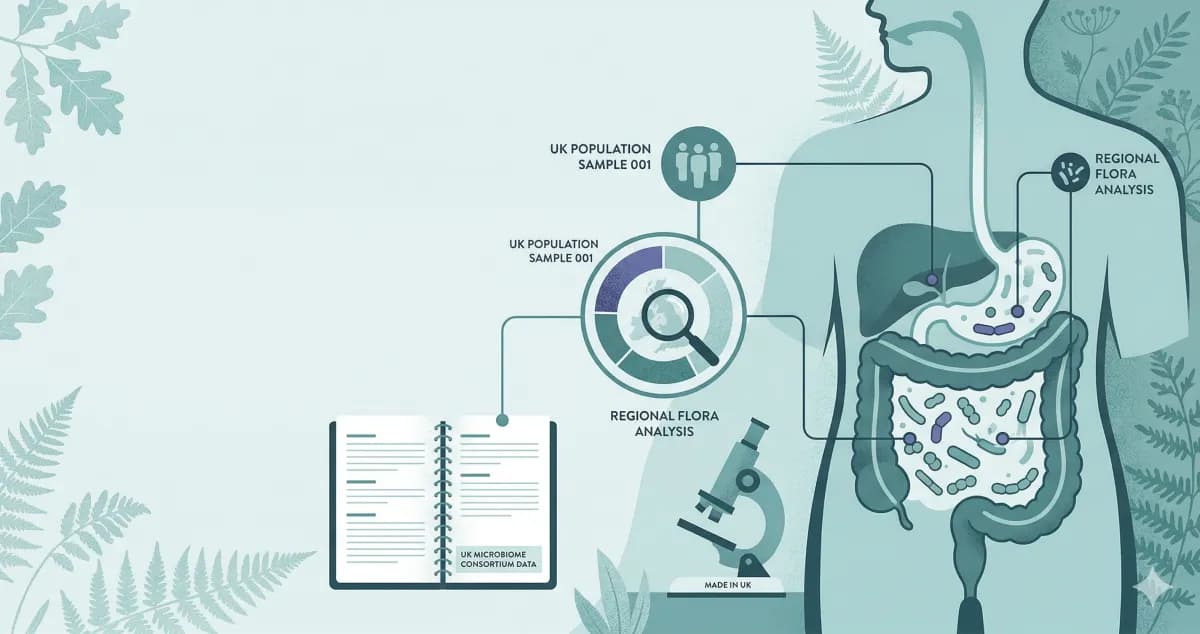
Gut Health in Britain — NHS Access, UK Diet, and What the Data Says
Most microbiome content comes from the US. Here's a UK-specific guide covering NHS pathways, British dietary patterns, UK-available products, and the state of gut health across the country.
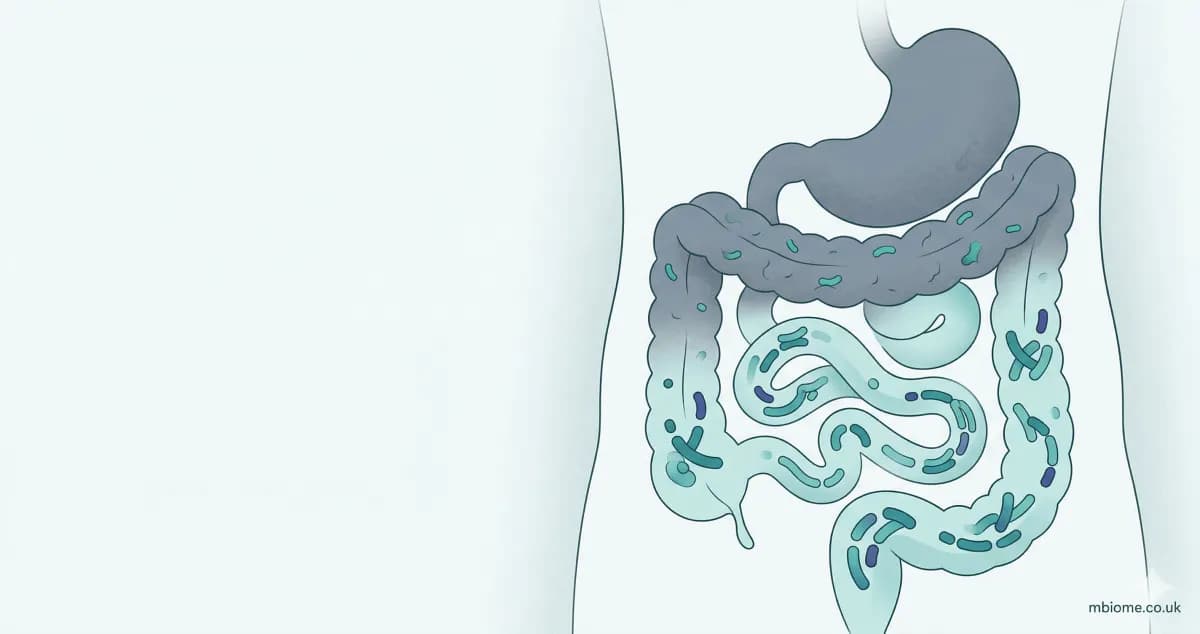
Best Probiotics for Bloating — What the Evidence Actually Shows
Bloating is one of the most common digestive complaints. We review the clinical evidence for specific probiotic strains that have been tested for bloating relief.
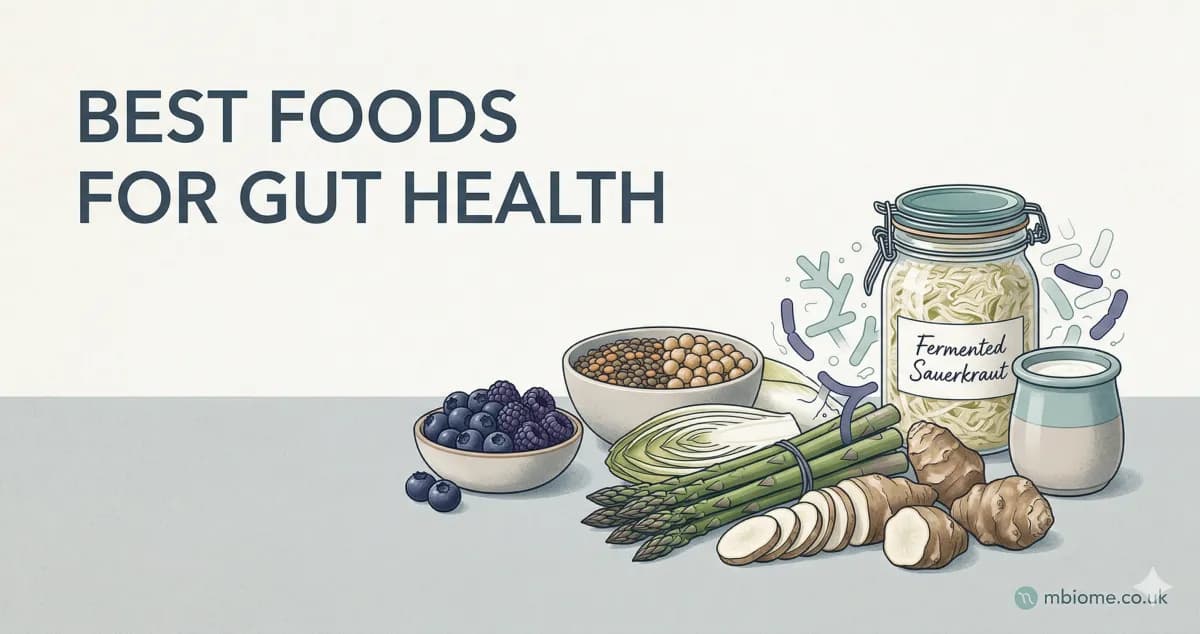
How to Improve Gut Health Naturally: Evidence-Based Guide
Your gut microbiome responds remarkably quickly to lifestyle changes. Here is what the research says about diet, sleep, exercise, and stress — and which interventions have the strongest evidence behind them.
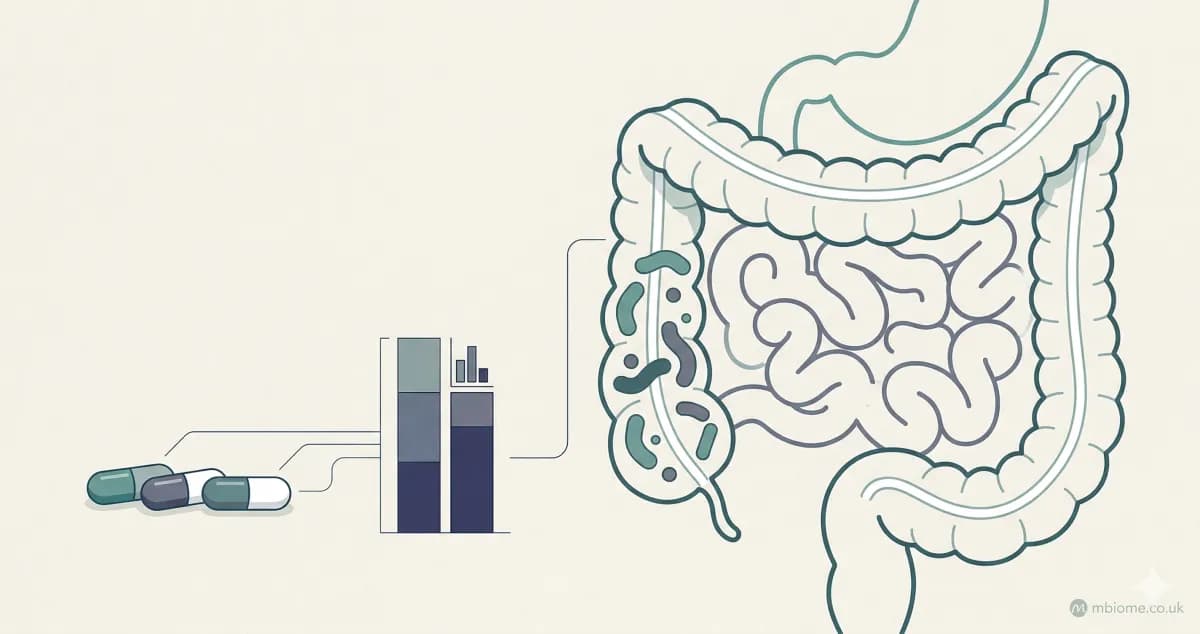
Best Probiotics for IBS: What the Research Shows
Not all probiotics help IBS, and many popular products have no clinical evidence for it. Here are the specific strains with genuine research behind them — and the honest limitations of the evidence.
Signs of an Unhealthy Gut: What Your Body Is Telling You
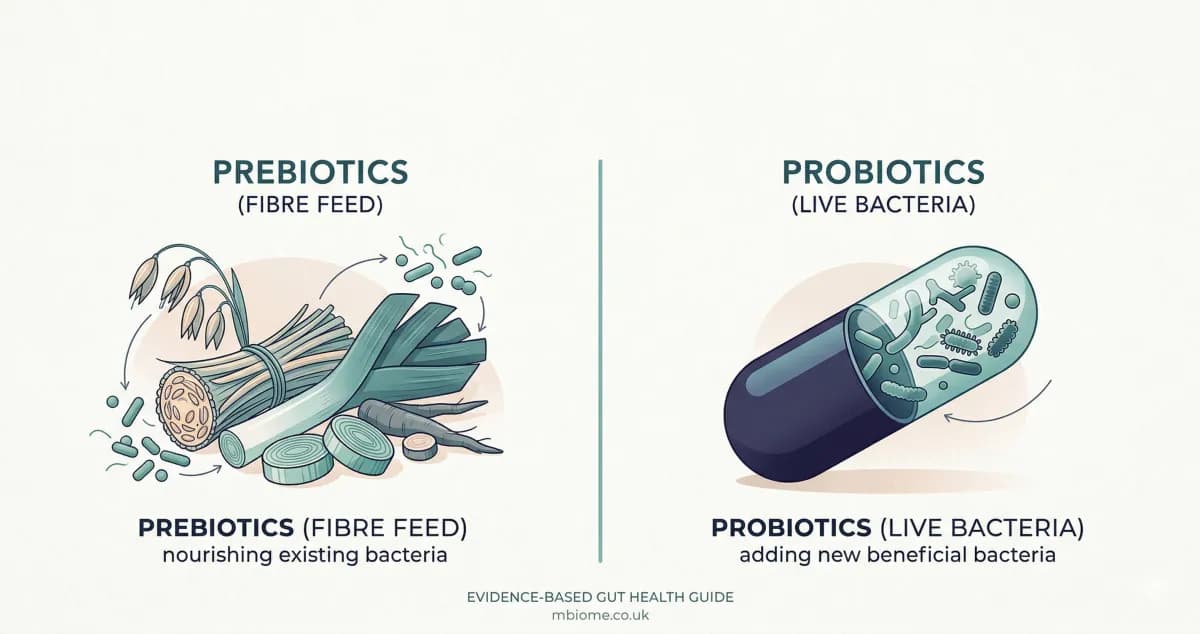
Probiotics get the headlines, but prebiotics may be just as important. Here is how they differ, where to find them in food, and what the evidence says about taking both together.
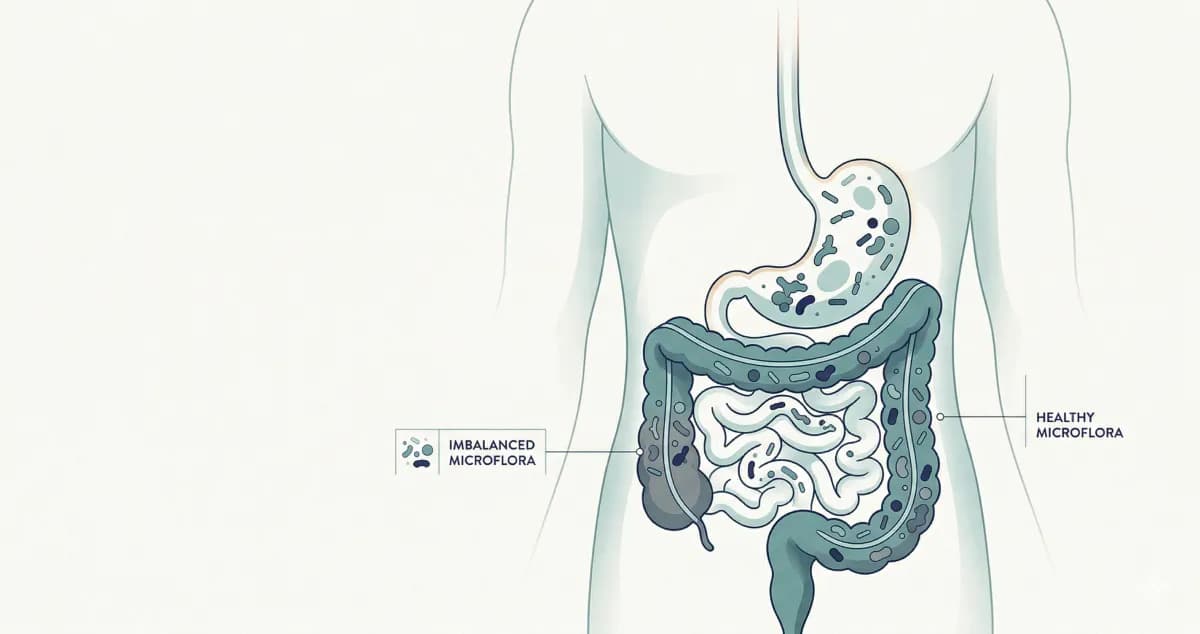
Signs of an Unhealthy Gut: What Your Body Is Telling You
Gut problems do not always show up as digestive symptoms. From skin conditions to mood changes, here are the evidence-based signs that your microbiome may be out of balance — and when to see your GP.

Fermented Foods and Gut Health: A Complete UK Guide
Fermented foods are one of the most effective ways to increase microbial diversity. Here is what the Stanford research found, which foods to choose, where to find them in the UK, and how much you actually need to eat.

Antibiotics and Your Microbiome: How to Recover
Antibiotics save lives, but they also devastate your gut microbiome. Here is what the research shows about recovery timelines, which probiotics actually help, and what you can do to rebuild after a course.

Gut Microbiome Tests: Are They Worth It?
Commercial microbiome tests promise personalised health insights from a stool sample. But how reliable are they, what do they actually measure, and should you spend £100–300 on one? We examine the science and the limitations.
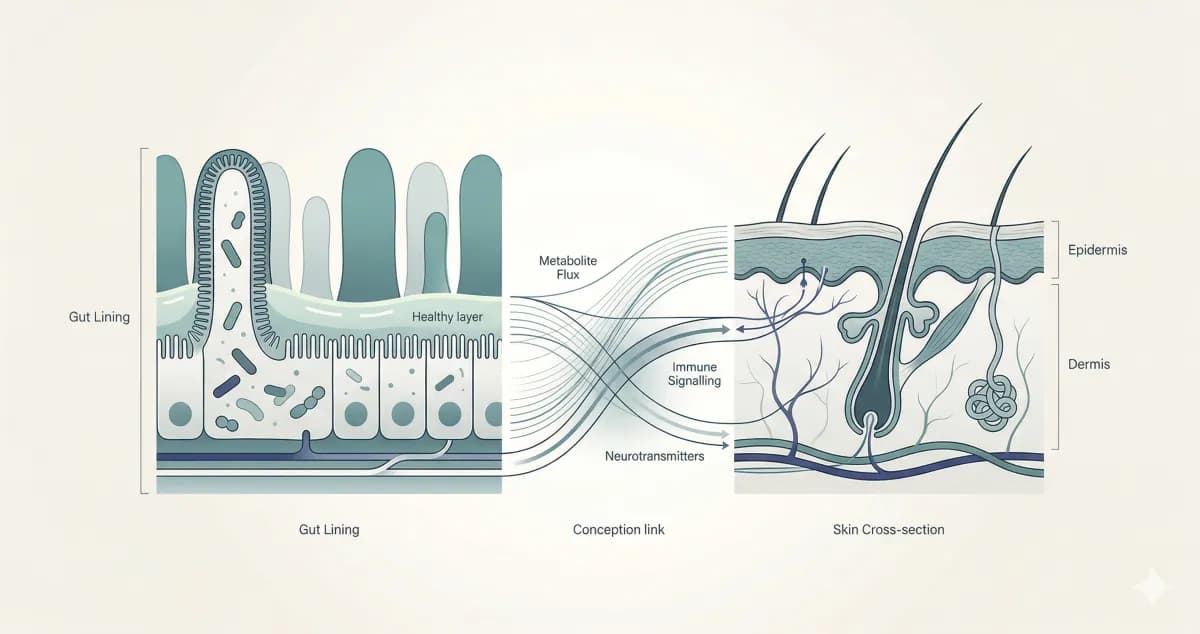
The Gut-Skin Axis: How Your Microbiome Affects Your Skin
Acne, eczema, rosacea, and psoriasis have all been linked to gut health. The emerging science of the gut-skin axis suggests that what happens in your digestive tract can show up on your face.
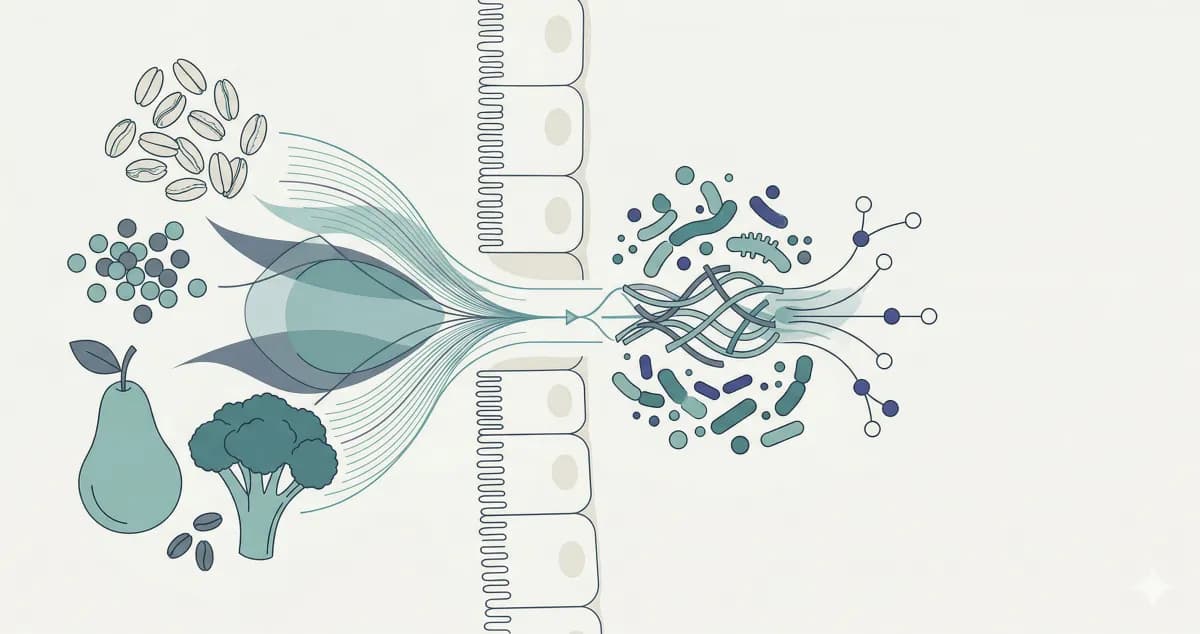
Fibre and the Microbiome: Why It Matters More Than Probiotics
The UK averages just 18g of fibre per day — far below the recommended 30g. This dietary shortfall may be starving the very bacteria your gut needs to keep you healthy.
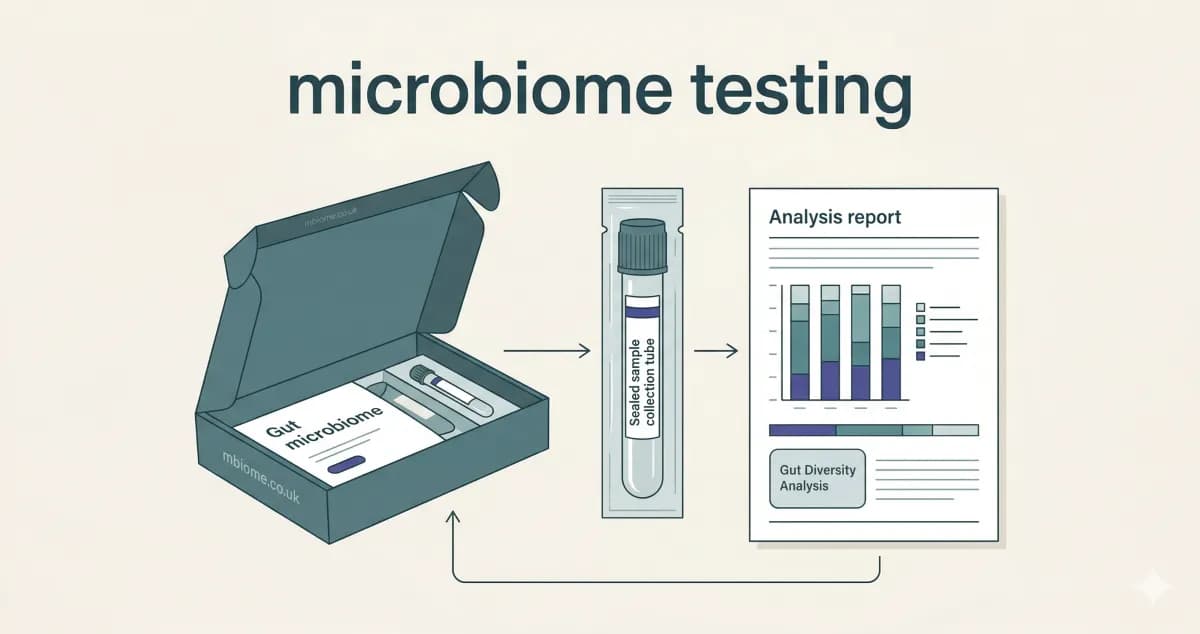
Ultra-Processed Food and Gut Health: What the Science Says
The UK gets 57% of its calories from ultra-processed food — more than almost any other country. A growing body of research links this dietary pattern to gut microbiome disruption, reduced diversity, and impaired gut barrier function.
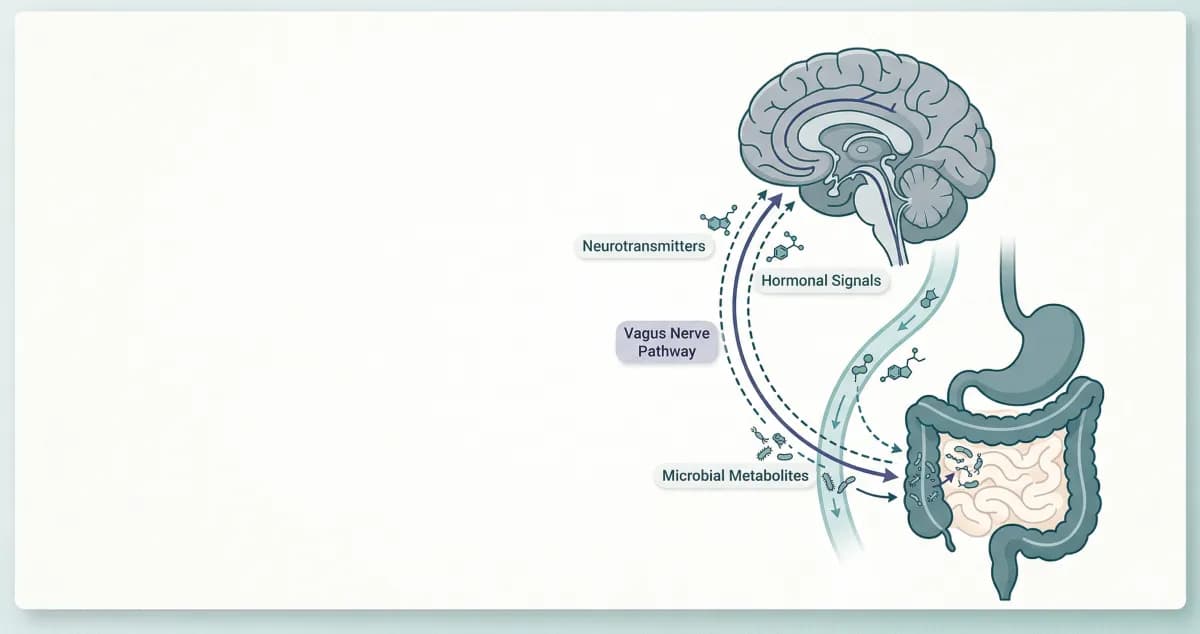
Microbiome and Mental Health: Separating Science from Hype
Headlines claim gut bacteria can cure depression and anxiety. The reality is more nuanced — but the science connecting the microbiome to mental health is genuine, growing, and worth understanding properly.
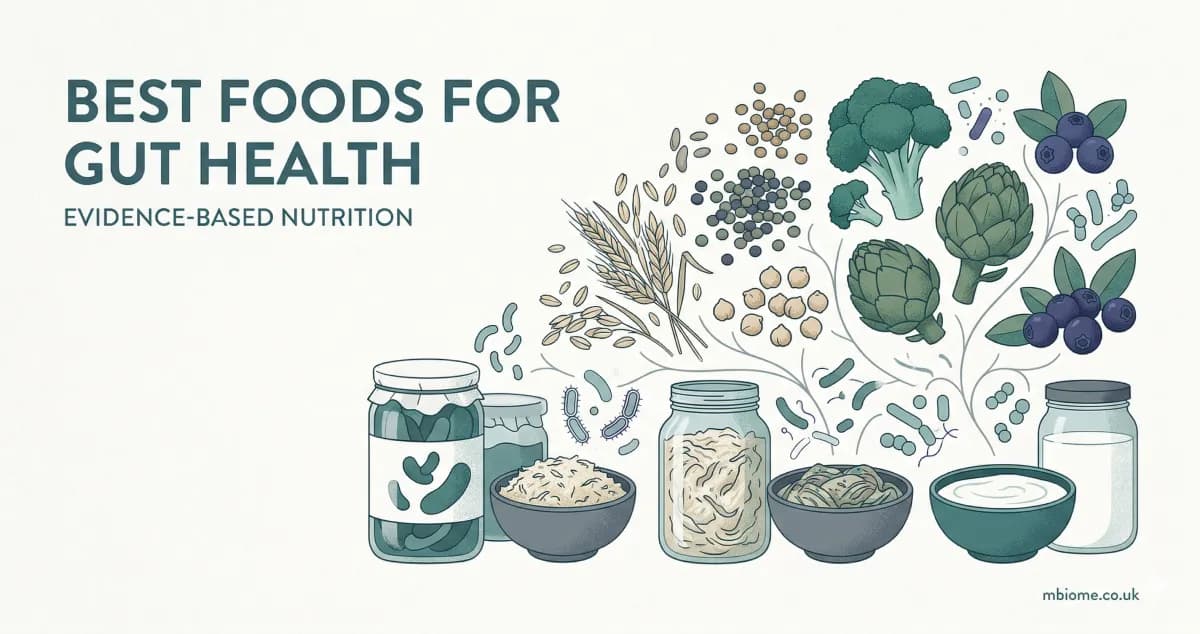
Best Foods for Gut Health: A UK Shopping Guide
A practical, supermarket-friendly guide to the best foods for your gut microbiome — grouped by fermented foods, high-fibre staples, polyphenol-rich picks, and resistant starch sources, with seasonal UK availability.
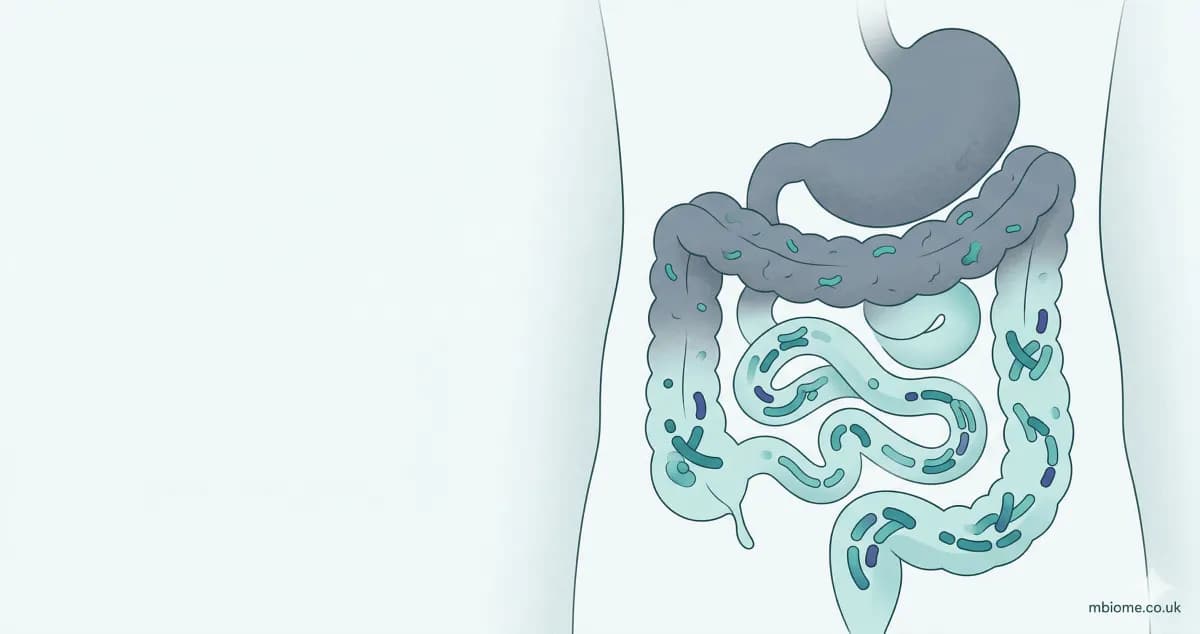
Probiotics: What the Evidence Actually Says
Probiotics are a billion-pound industry, but which strains have genuine clinical evidence behind them? We break down the research by condition and strain.
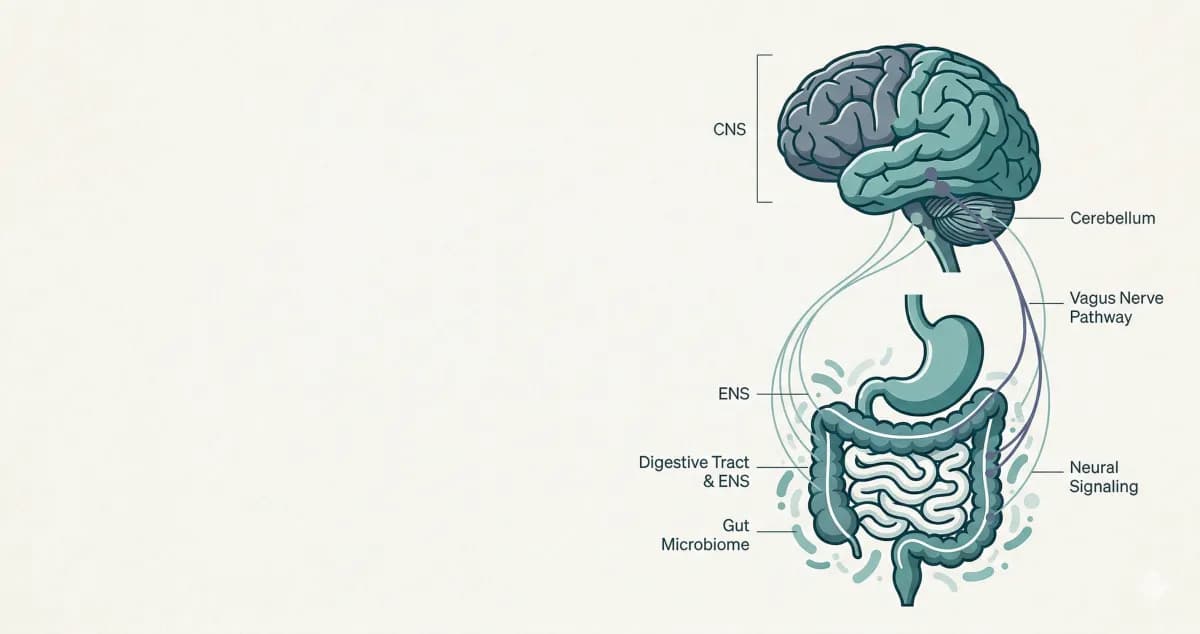
The Gut-Brain Connection: How Your Microbiome Affects Your Mind
Scientists call it the "second brain." Your gut produces neurotransmitters, communicates directly with your brain via the vagus nerve, and may influence everything from anxiety to cognitive function.