A calmer, clearer way to understandmicrobiome science and gut health
Peer-reviewed research on gut health, probiotics, the gut-brain axis, diet, and testing — explained in plain English, with the hype stripped away.
What Is the Human Microbiome? A Complete Introduction
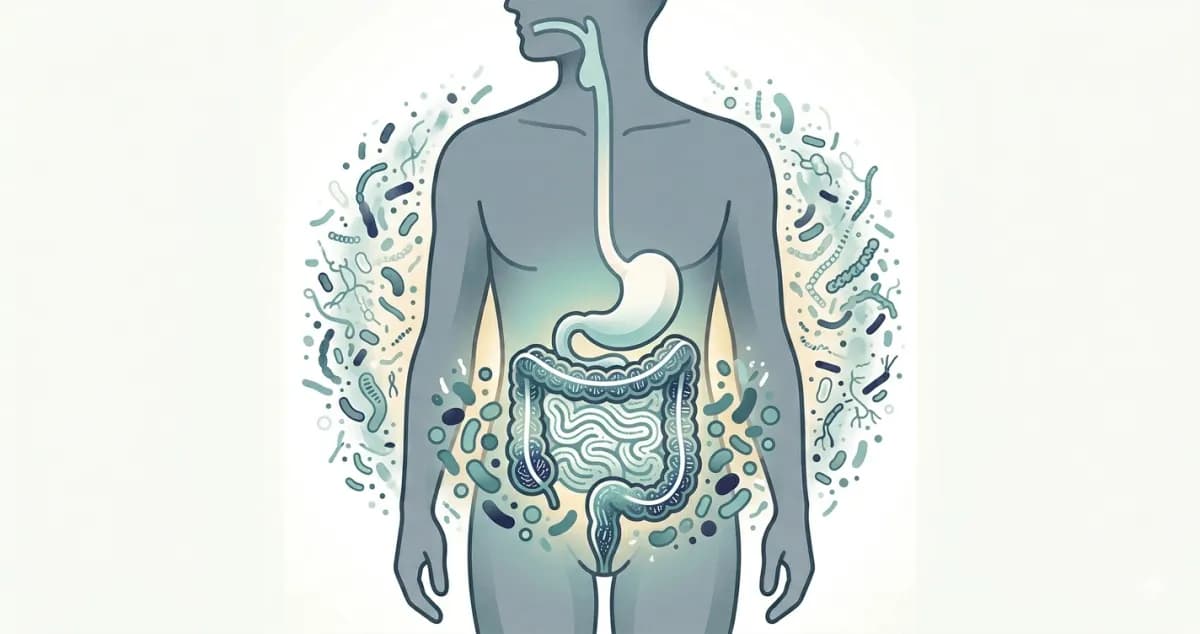
Your body hosts roughly 39 trillion microorganisms — more than the number of human cells you have. Here's what they do, why they matter, and how they shape your health.
Evidence first. No product hype.
Every article is grounded in peer-reviewed research from PubMed, Cochrane, and leading journals. When the science is mixed or still early, we say so.
Peer-reviewed sources
Every article cites published research from PubMed, Cochrane, and leading journals.
No product hype
We assess the evidence, not the marketing. If the science is weak, we say so.
Strain-specific
We name specific strains and studies instead of vague probiotic claims.
Regularly updated
Articles are reviewed and updated when significant new research is published.
Long-form articles with the feel of editorial briefings
What Is the Human Microbiome? A Complete Introduction
Your body hosts roughly 39 trillion microorganisms — more than the number of human cells you have. Here's what they do, why they matter, and how they shape your health.
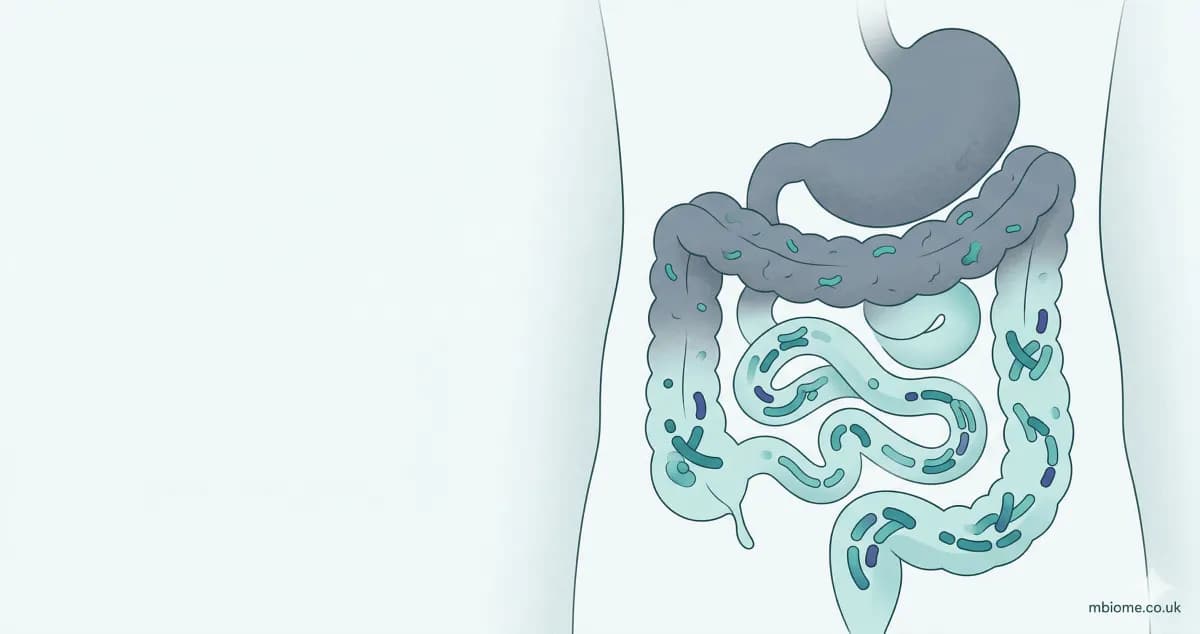
Probiotics: What the Evidence Actually Says
Probiotics are a billion-pound industry, but which strains have genuine clinical evidence behind them? We break down the research by condition and strain.
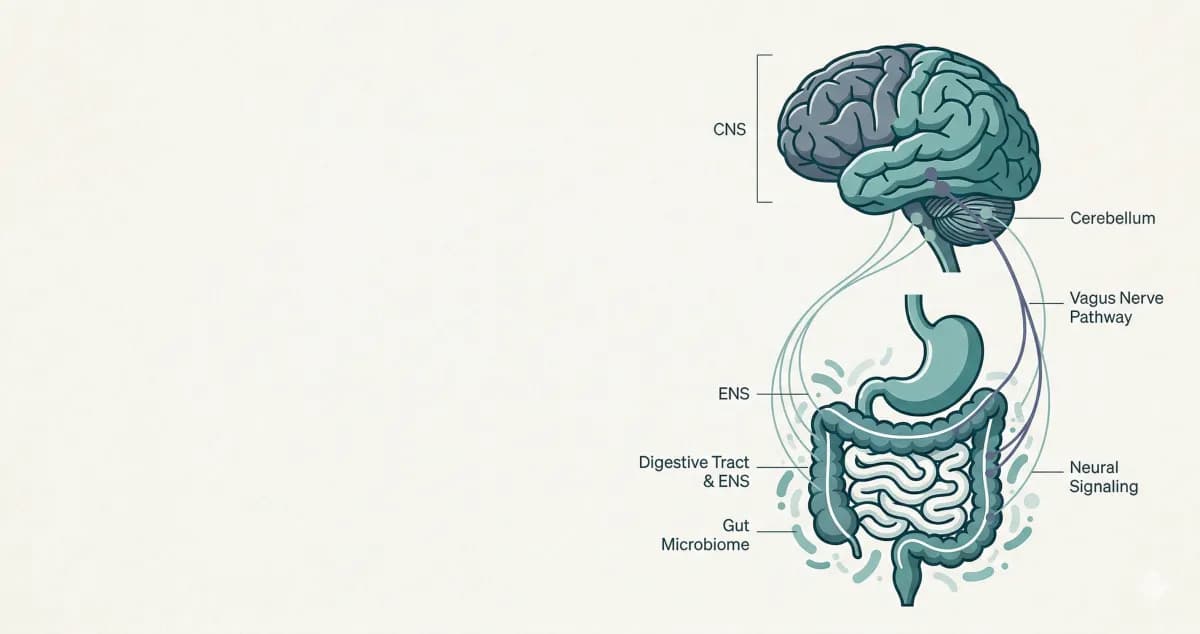
The Gut-Brain Connection: How Your Microbiome Affects Your Mind
Scientists call it the "second brain." Your gut produces neurotransmitters, communicates directly with your brain via the vagus nerve, and may influence everything from anxiety to cognitive function.
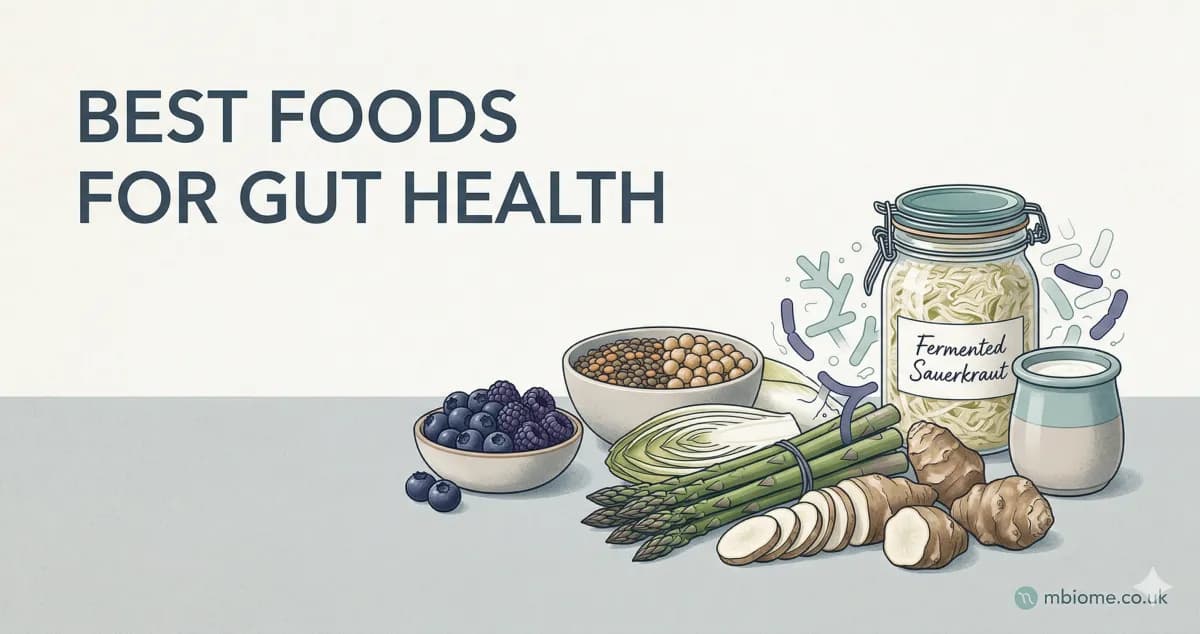
How to Improve Gut Health Naturally: Evidence-Based Guide
Your gut microbiome responds remarkably quickly to lifestyle changes. Here is what the research says about diet, sleep, exercise, and stress — and which interventions have the strongest evidence behind them.
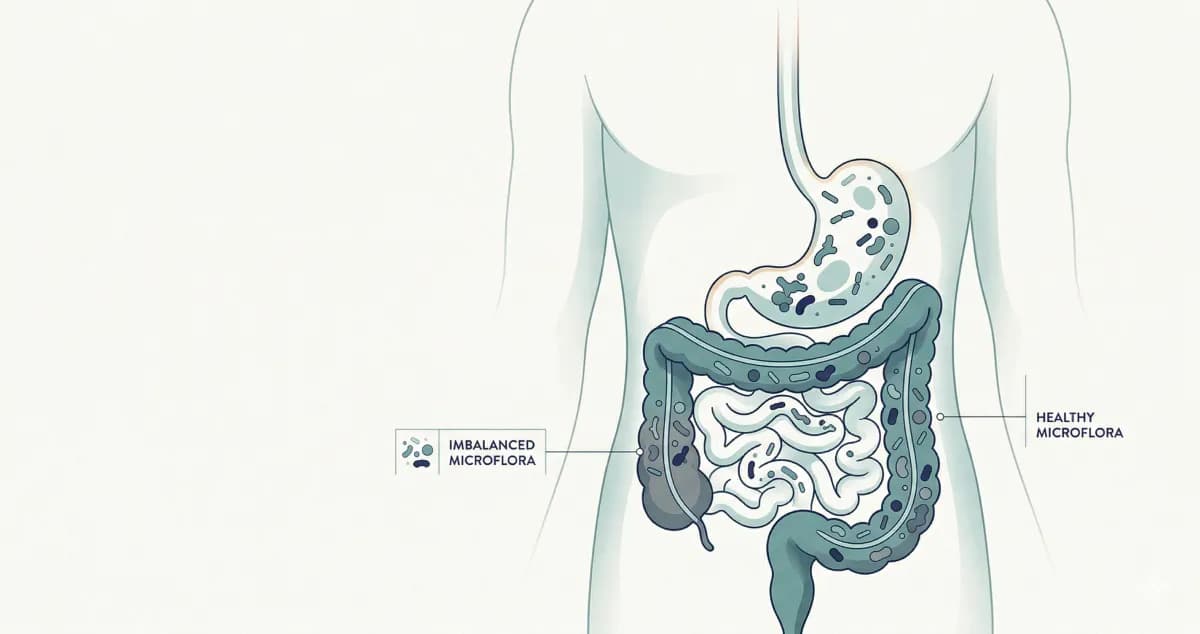
Signs of an Unhealthy Gut: What Your Body Is Telling You
Gut problems do not always show up as digestive symptoms. From skin conditions to mood changes, here are the evidence-based signs that your microbiome may be out of balance — and when to see your GP.
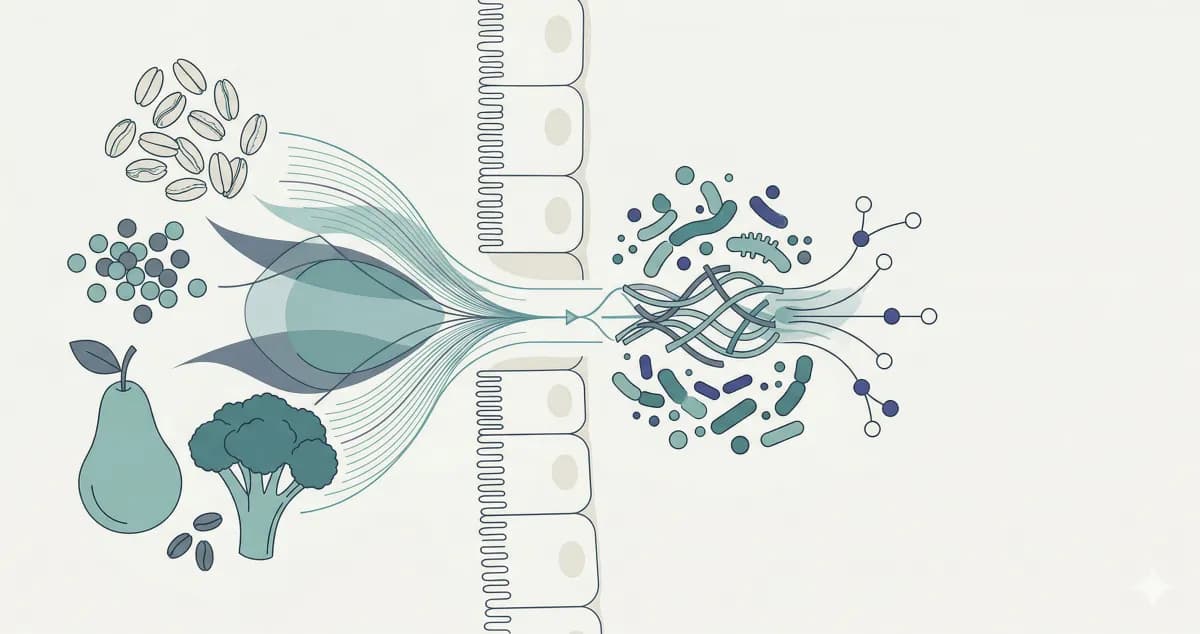
Fibre and the Microbiome: Why It Matters More Than Probiotics
The UK averages just 18g of fibre per day — far below the recommended 30g. This dietary shortfall may be starving the very bacteria your gut needs to keep you healthy.
Explore the field by topic, not by trend
Gut health, probiotics, testing, diet, the gut-brain axis, and related questions all need different levels of evidence. Topic hubs help readers move through the space with context.
Gut Health
How your gut microbiome affects digestion, immunity, and overall wellbeing. Understanding the balance of bacteria in your digestive system.
17 articles
Probiotics & Prebiotics
The science behind beneficial bacteria supplements and the dietary fibres that feed them. What works, what doesn't, and what the research says.
9 articles
Diet & Nutrition
How what you eat shapes your microbiome. From fermented foods to fibre intake, the dietary choices that matter most for microbial diversity.
5 articles
Microbiome Testing
At-home gut testing kits, clinical stool analysis, and what your results actually mean. A practical guide to microbiome diagnostics.
5 articles
Gut-Brain Axis
The bidirectional communication between your gut and brain. How your microbiome influences mood, anxiety, cognition, and mental health.
5 articles
Skin Microbiome
The ecosystem of microorganisms living on your skin. How the skin microbiome affects conditions like acne, eczema, and skin ageing.
4 articles
Recently published and recently reviewed

Your Skin Microbiome: What Lives on Your Skin and Why It Matters
Your skin hosts roughly one trillion microorganisms — bacteria, fungi, viruses, and mites — that form a living shield. Understanding this invisible ecosystem is changing how dermatologists think about skin health.
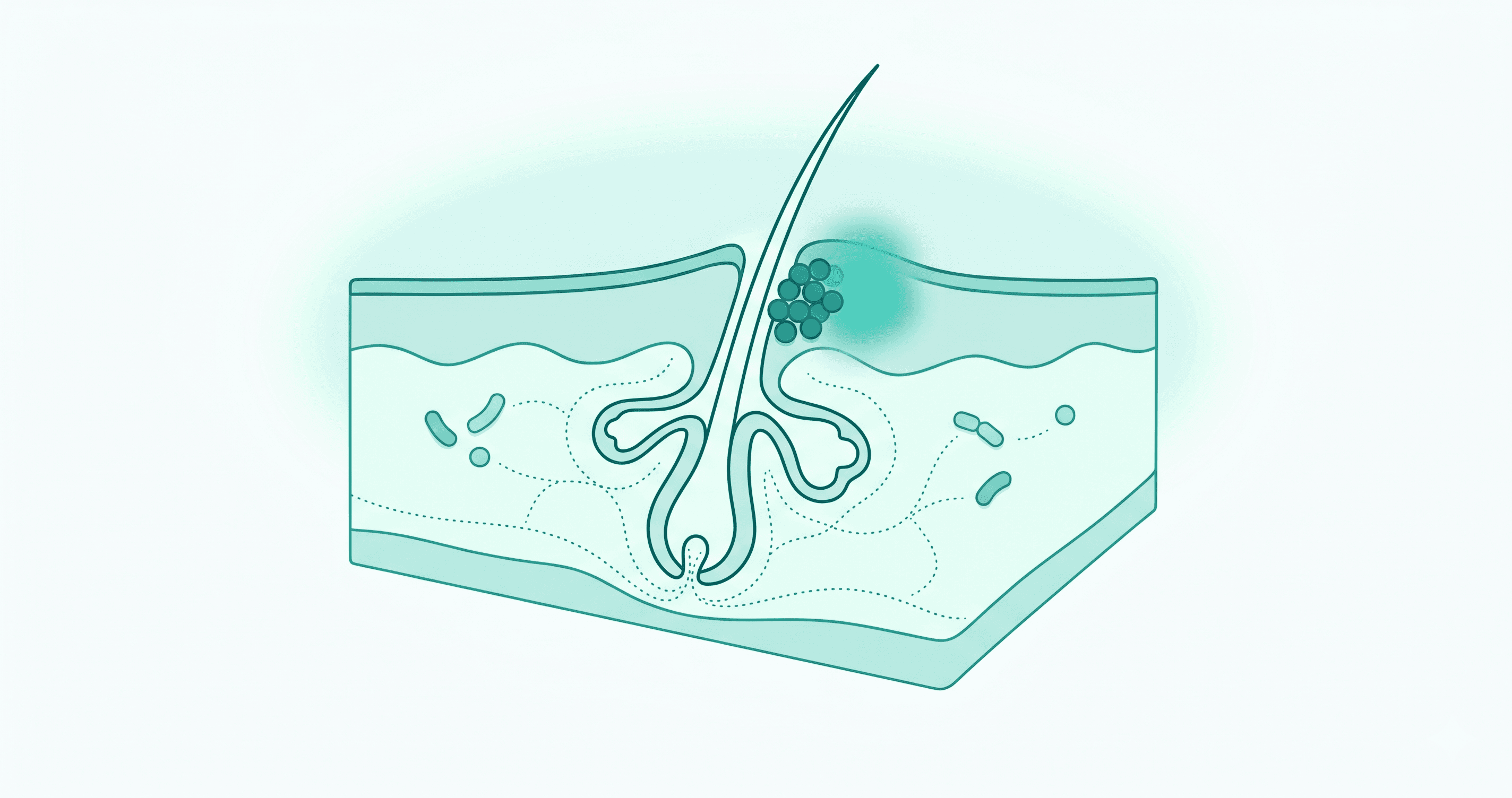
Acne and the Microbiome: What the Research Shows
Acne is far more than a teenage nuisance — it affects 85% of people at some point. Emerging research suggests the skin and gut microbiome play a bigger role than previously thought.
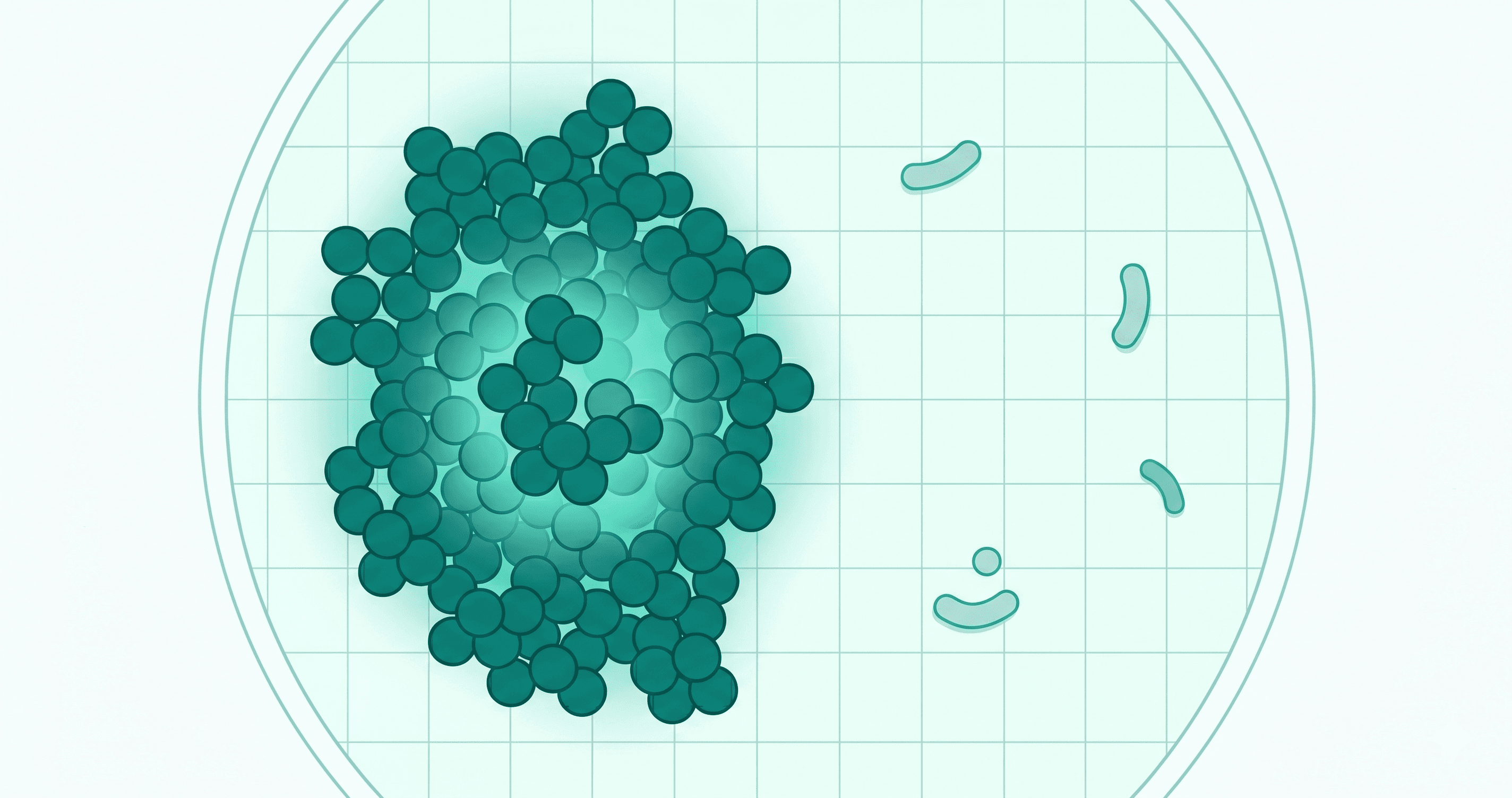
Eczema and the Skin Microbiome: The Staphylococcus Connection
Eczema flares are consistently linked to an overgrowth of Staphylococcus aureus and a collapse in skin microbial diversity. Here is what the research shows and what treatments are on the horizon.
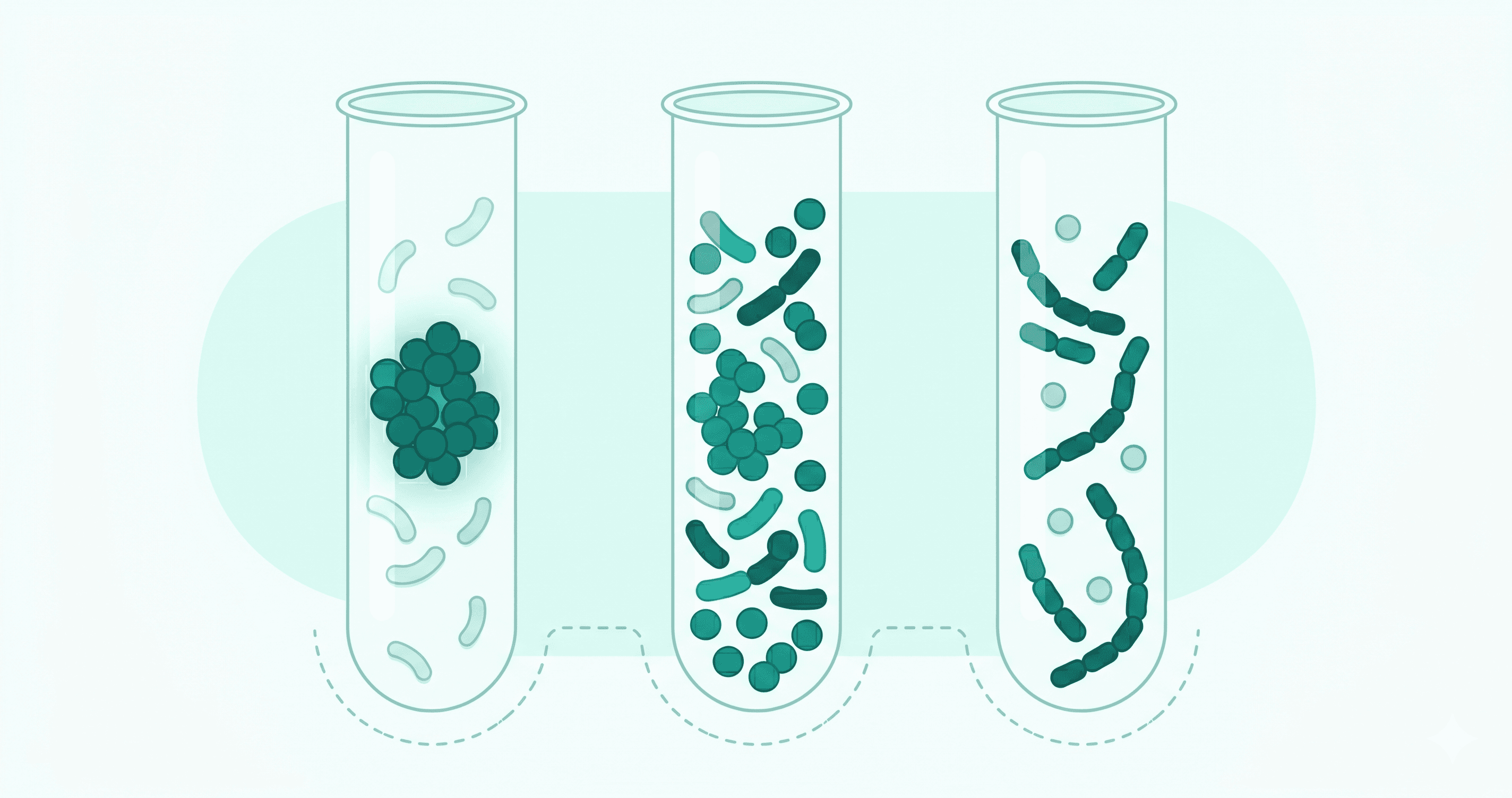
How Accurate Are Gut Microbiome Tests? What the Science Says
Commercial microbiome tests promise personalised insights, but how reproducible are the results? We examine inter-lab variation, sequencing methods, and what the science says about accuracy.
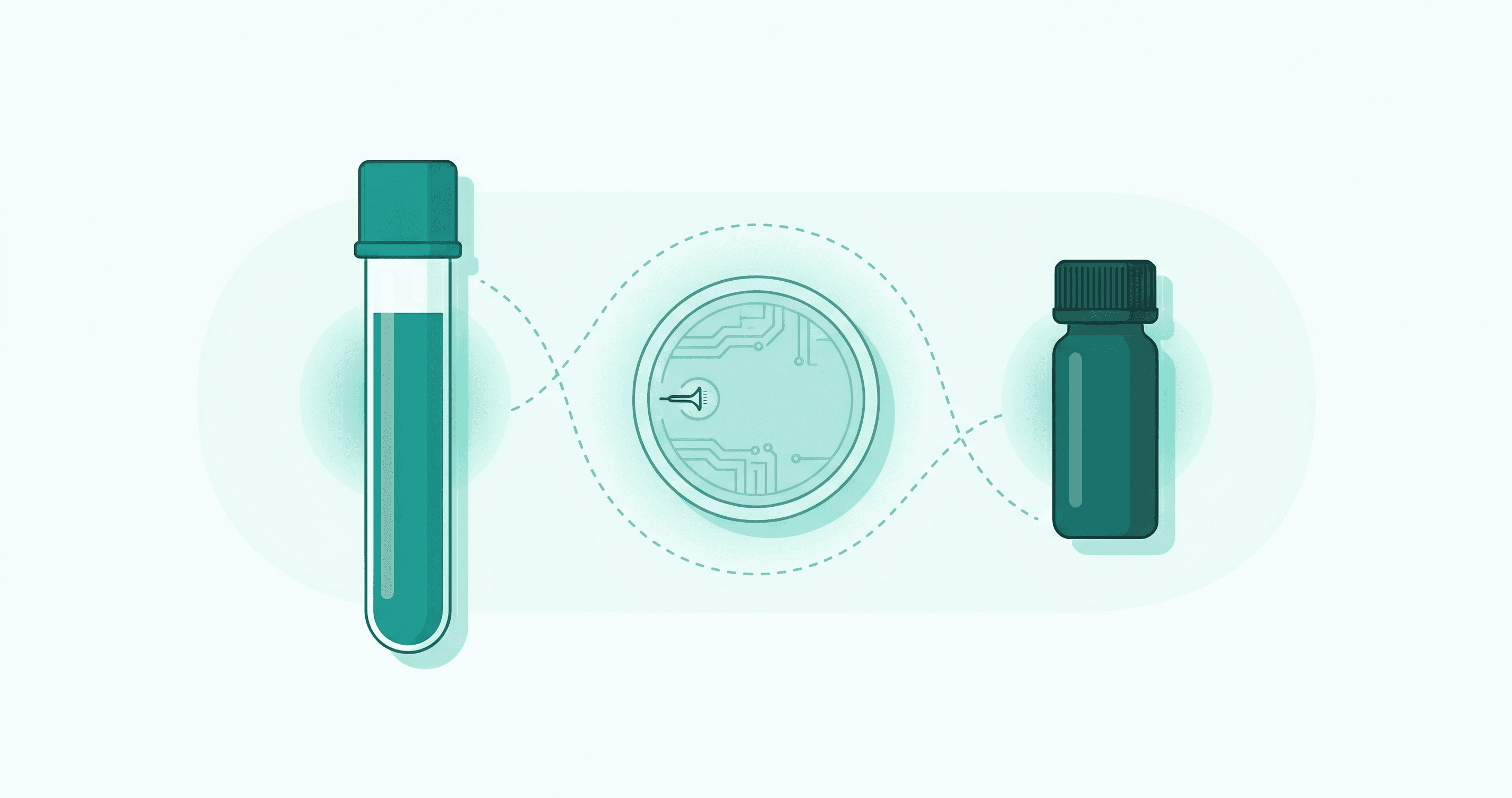
Zoe Gut Health Test: What You Get and Is It Worth It?
Zoe is the UK's most popular personalised nutrition programme, combining gut microbiome, blood sugar, and blood fat testing. We assess the science, the experience, and whether it delivers value for the price.
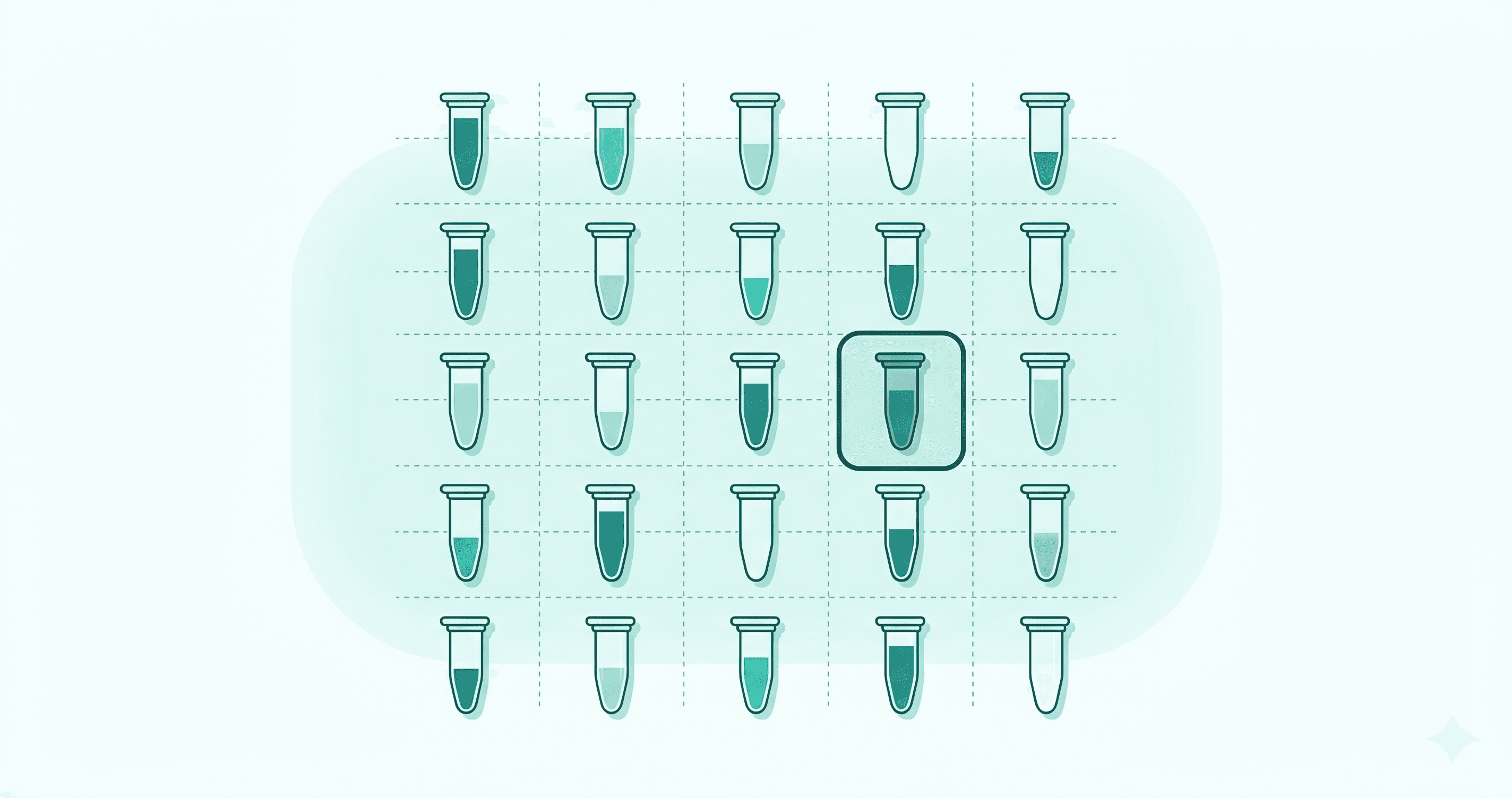
A Practical Guide to Microbiome Testing in the UK
From Zoe to Atlas Biomed and Thriva, the UK market for microbiome tests is growing. Here is what each test measures, what it costs, and whether you actually need one.
Small, evidence-backed changes add up
Your gut microbiome responds to what you eat, how you sleep, how much you move, and how you manage stress — often within days. Start with the guide that brings it all together.