Gut Health
How your gut microbiome affects digestion, immunity, and overall wellbeing. Understanding the balance of bacteria in your digestive system.

Articles in Gut Health
These articles are grouped to help readers move from overview to specifics without losing the evidence context.
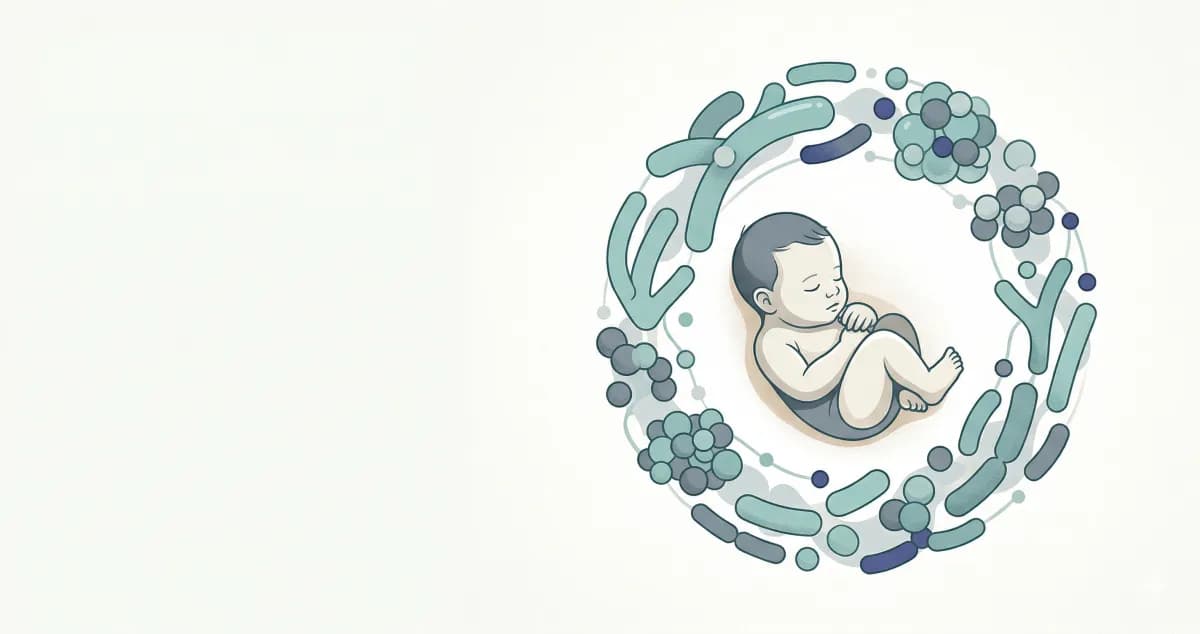
The Baby Microbiome: Why the First 1,000 Days Shape Lifelong Health
From birth to age three, a child's microbiome undergoes the most dramatic development it will ever experience. How a baby is born, fed, and raised has lasting consequences for immune function, allergy risk, and metabolic health.

Gut Health After 50: How the Microbiome Changes with Age and What You Can Do
After 50, microbial diversity naturally declines while inflammation-associated bacteria increase. Understanding these shifts can help you protect your gut health, immunity, and cognitive function as you age.
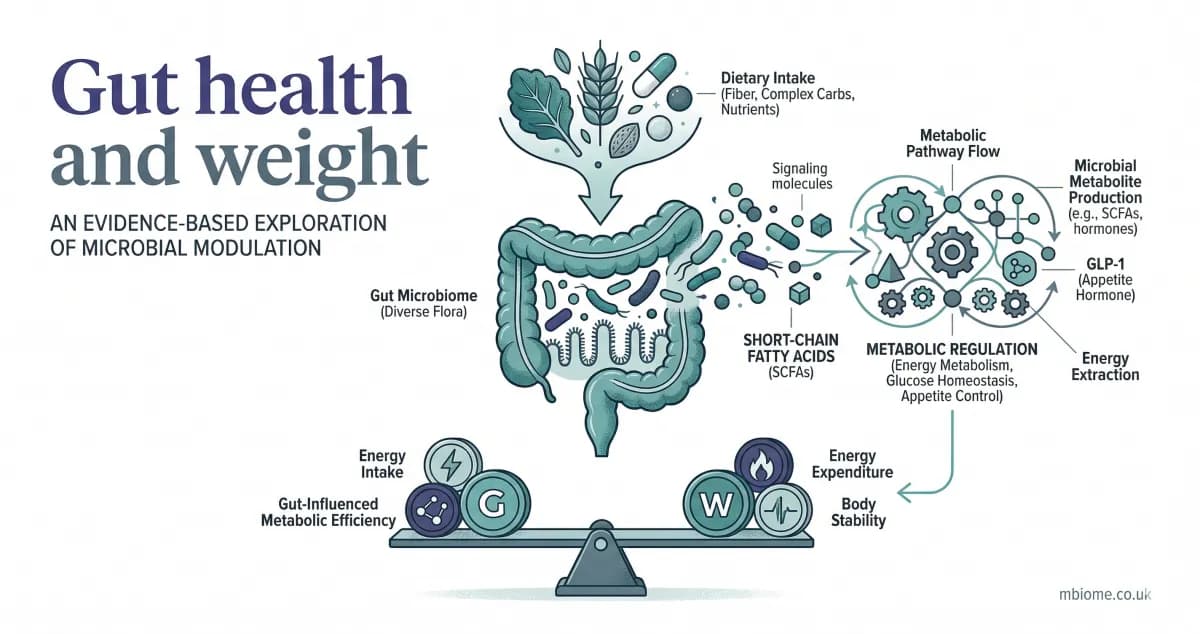
The Microbiome and Weight: What Science Really Says About Gut Bacteria and Body Weight
Research increasingly links the gut microbiome to weight regulation, but the relationship is complex. We examine the evidence — from landmark mouse studies to human trials — and separate proven mechanisms from premature claims.
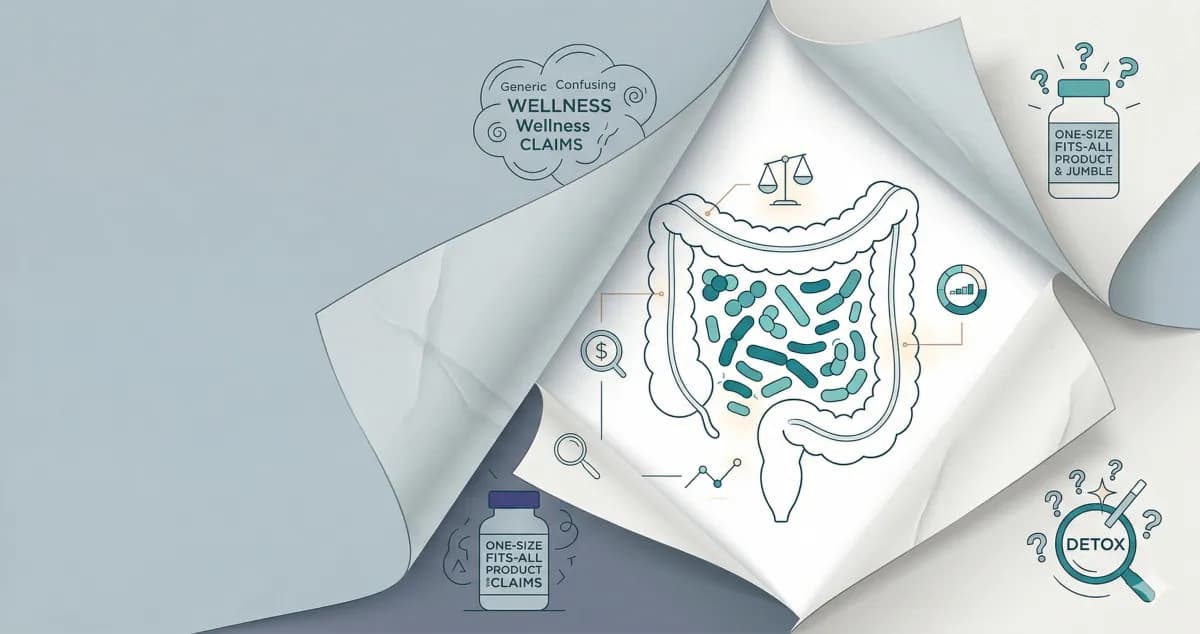
Gut Health Myths Debunked: 10 Common Claims That Don't Stand Up to Science
From "leaky gut syndrome" to juice cleanses and the idea that all bacteria are either good or bad, gut health is surrounded by myths. Here's what the evidence actually says.
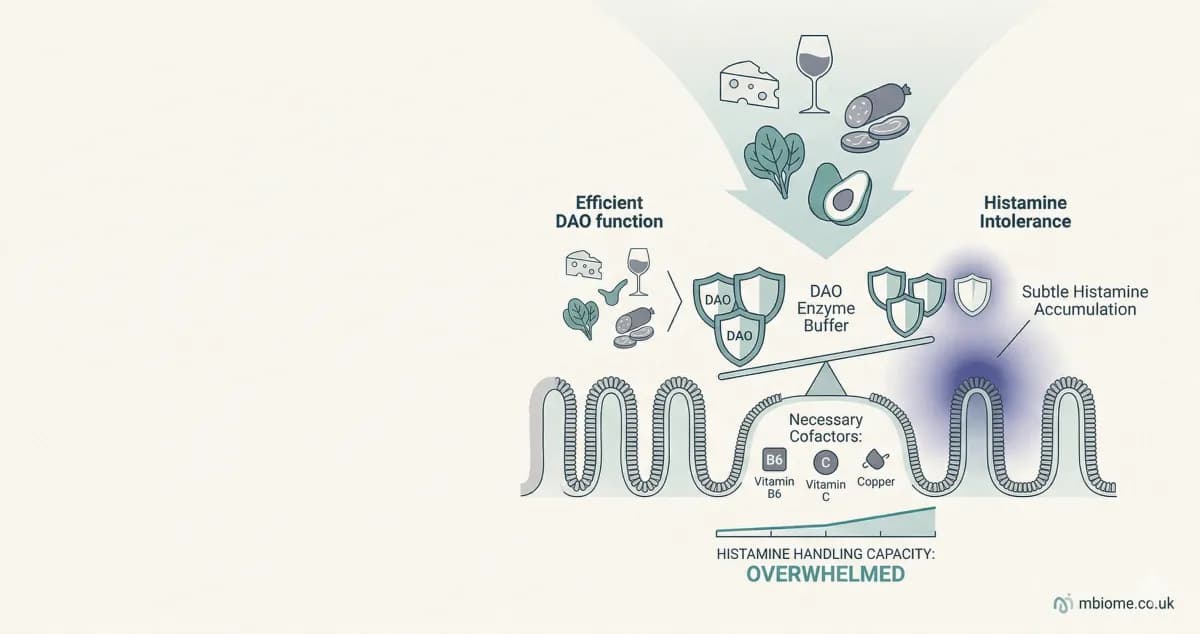
Histamine Intolerance and the Gut Microbiome: What the Research Shows
Histamine intolerance causes symptoms from headaches to skin flushing and digestive distress. Emerging research points to the gut microbiome — and specifically histamine-producing bacteria — as a key factor.

Microbiome Myths vs Reality: Separating Science from Hype
The microbiome is genuinely one of the most exciting frontiers in health science, but it has also attracted an extraordinary amount of hype, oversimplification, and outright misinformation. Here is what we actually know.
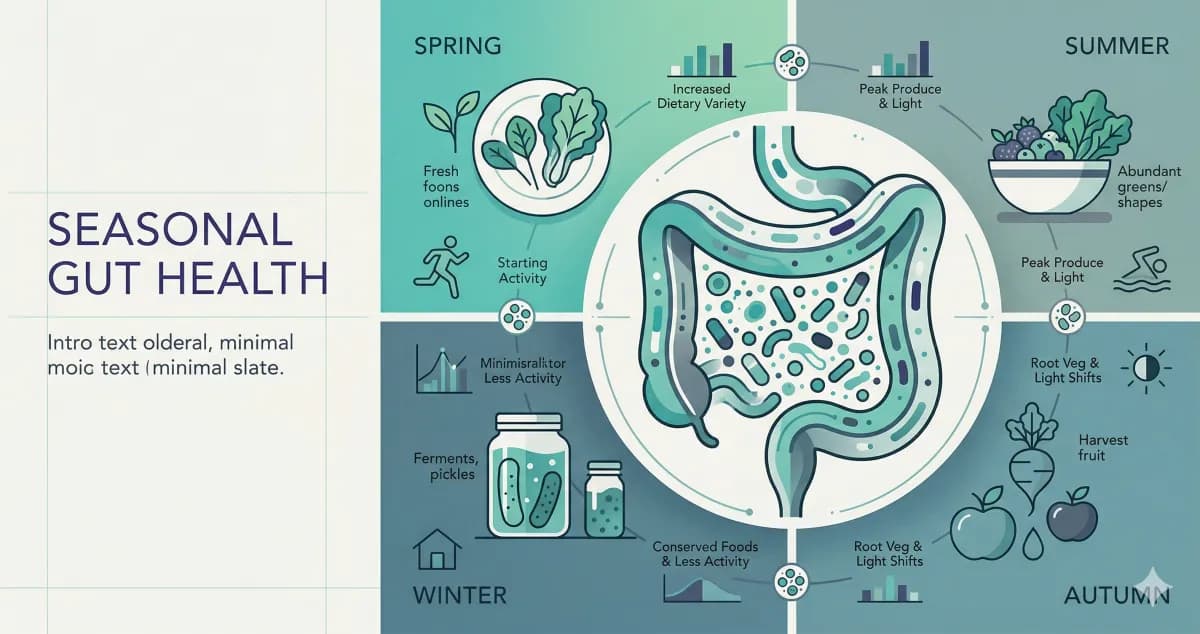
How the Seasons Affect Your Gut Health and Microbiome
Your gut microbiome shifts with the seasons — driven by changes in diet, sunlight exposure, activity levels, and even temperature. Here's what the research says about seasonal microbial variation.
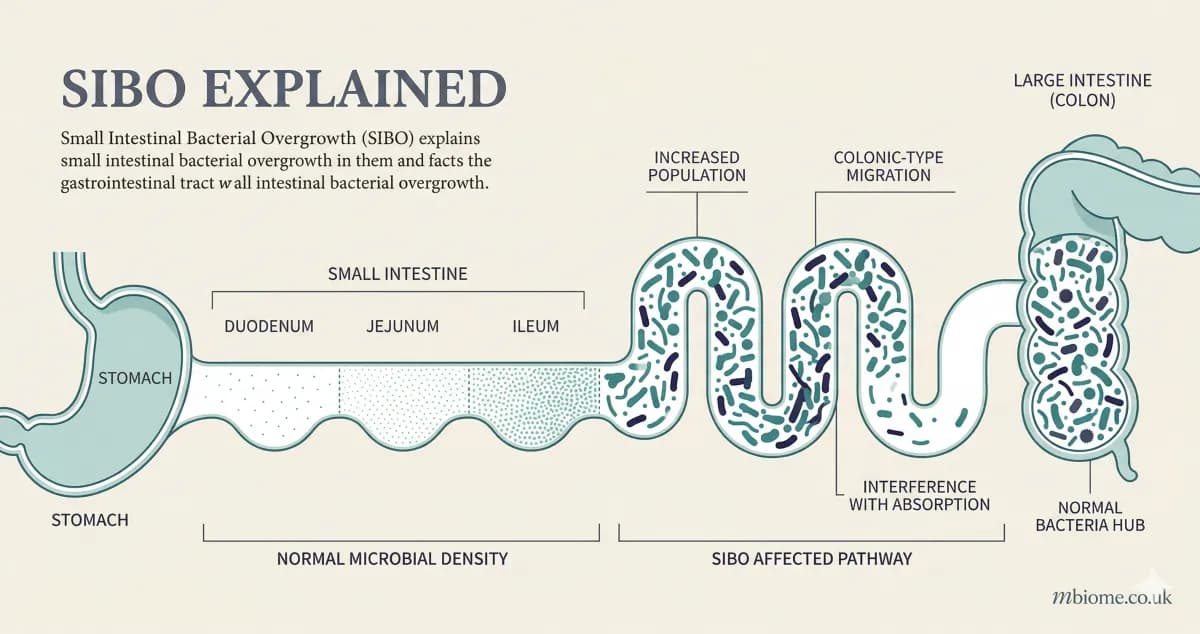
SIBO Explained — Symptoms, Testing and Treatment
Small intestinal bacterial overgrowth (SIBO) is increasingly recognised as a cause of chronic bloating, pain, and digestive distress. Here's what the evidence says about diagnosis and management.
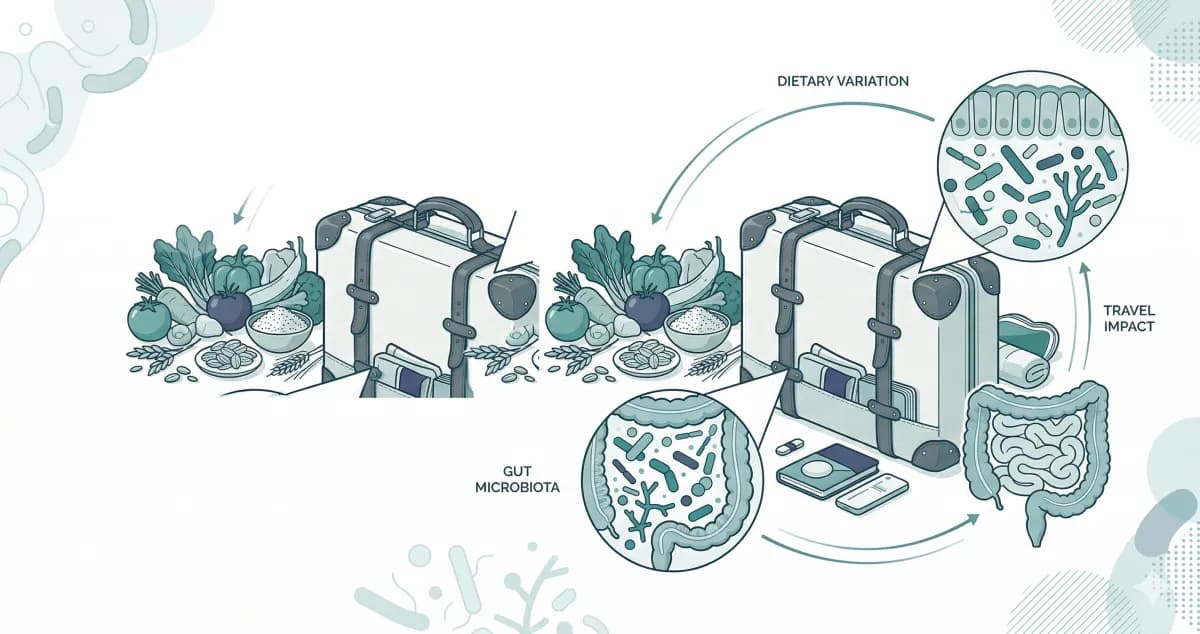
How Travel Affects Your Microbiome — From Jet Lag to Traveller's Diarrhoea
Travel disrupts your microbiome through time zone changes, unfamiliar diets, contaminated water, and stress. Here's what the research says and how to protect your gut on the road.
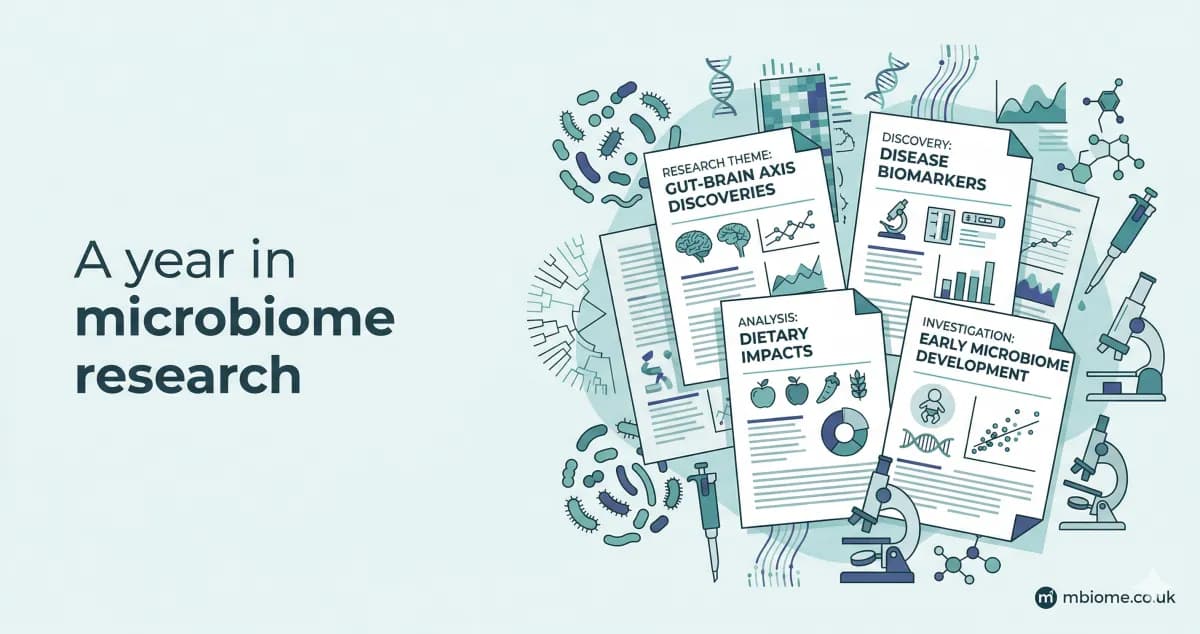
2025 in Microbiome Research — The Biggest Breakthroughs
From faecal microbiota transplant approvals to AI-driven microbiome diagnostics, 2025 was a landmark year for gut science. Here are the most significant advances.
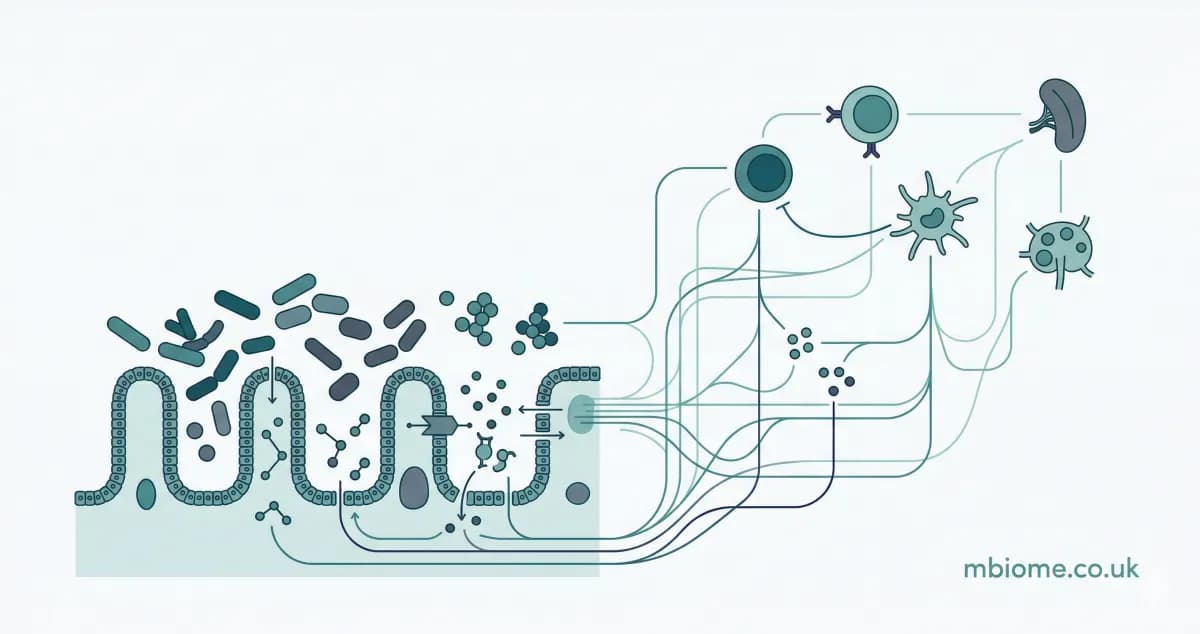
The Autoimmune-Microbiome Connection: What Research Reveals
From rheumatoid arthritis to type 1 diabetes, autoimmune diseases are increasingly linked to gut microbiome disruption. Here's what the evidence says about this critical relationship.

How to Read Microbiome Research — Understanding Evidence Strength
Not all studies are created equal. Here's how to evaluate microbiome research claims, from mouse models to randomised controlled trials, so you can separate genuine breakthroughs from hype.
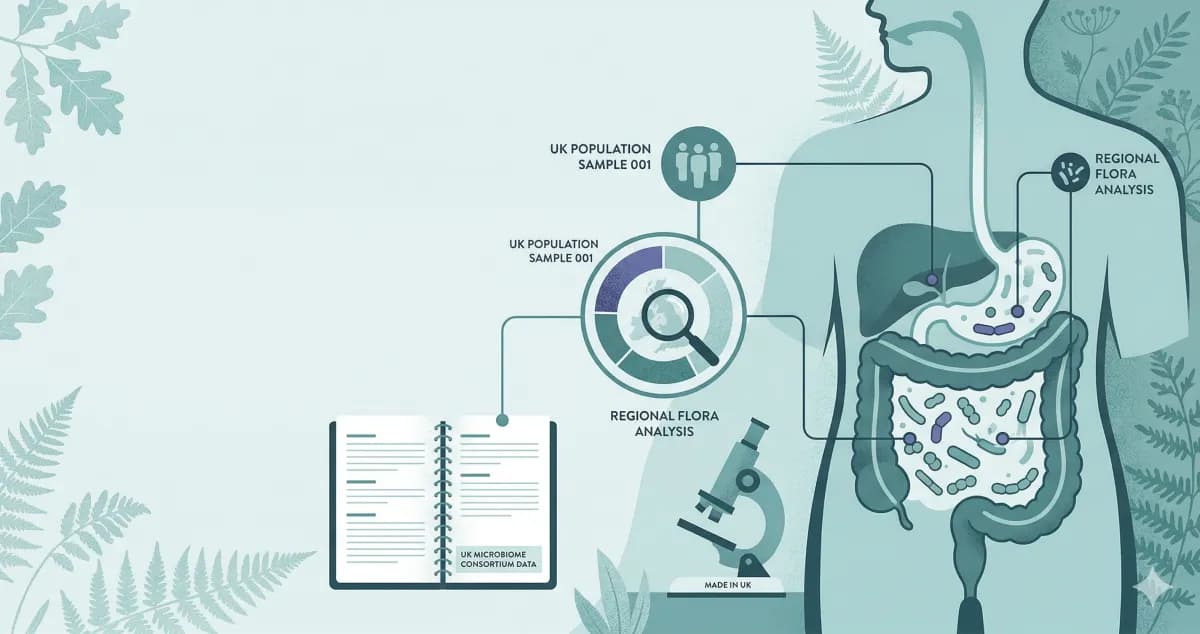
Gut Health in Britain — NHS Access, UK Diet, and What the Data Says
Most microbiome content comes from the US. Here's a UK-specific guide covering NHS pathways, British dietary patterns, UK-available products, and the state of gut health across the country.
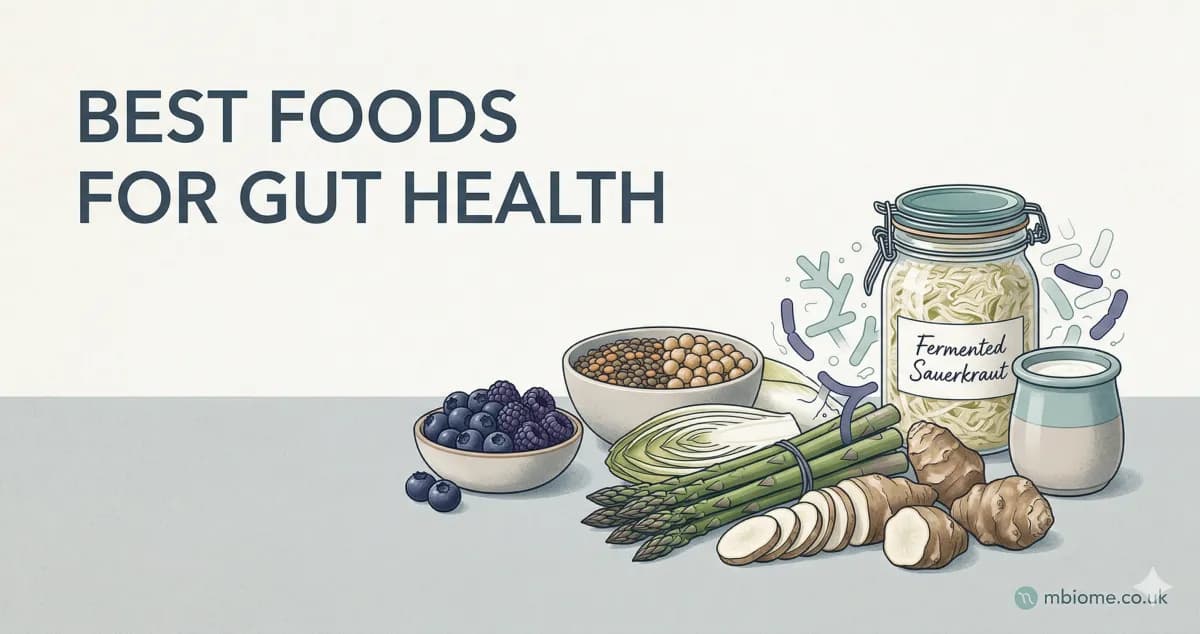
How to Improve Gut Health Naturally: Evidence-Based Guide
Your gut microbiome responds remarkably quickly to lifestyle changes. Here is what the research says about diet, sleep, exercise, and stress — and which interventions have the strongest evidence behind them.
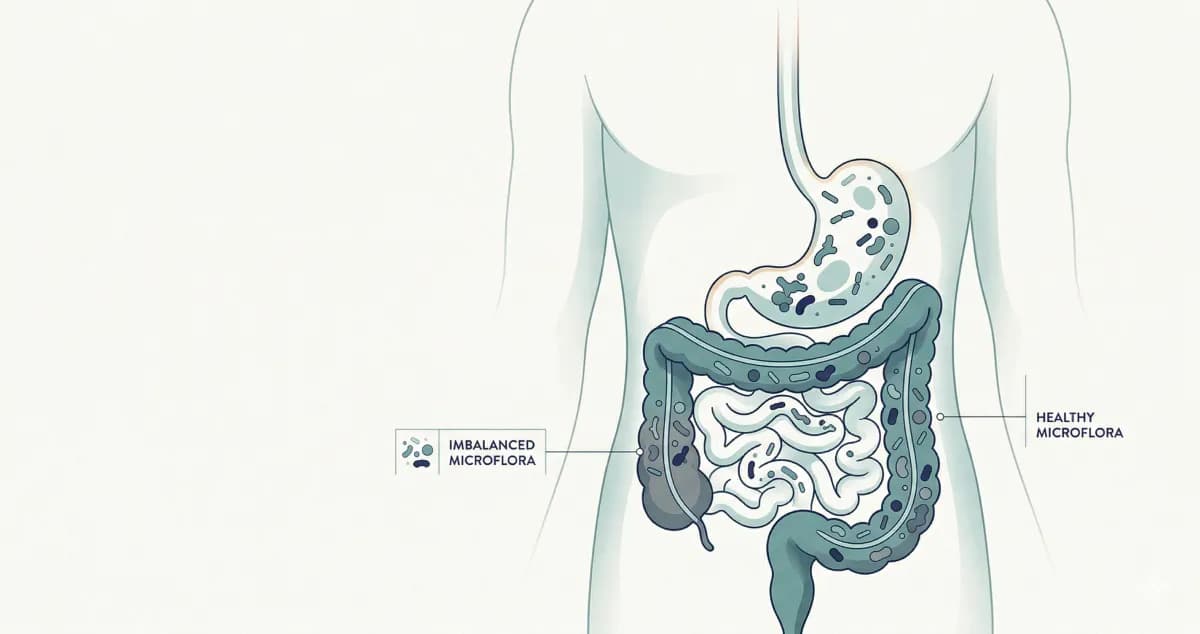
Signs of an Unhealthy Gut: What Your Body Is Telling You
Gut problems do not always show up as digestive symptoms. From skin conditions to mood changes, here are the evidence-based signs that your microbiome may be out of balance — and when to see your GP.

Antibiotics and Your Microbiome: How to Recover
Antibiotics save lives, but they also devastate your gut microbiome. Here is what the research shows about recovery timelines, which probiotics actually help, and what you can do to rebuild after a course.
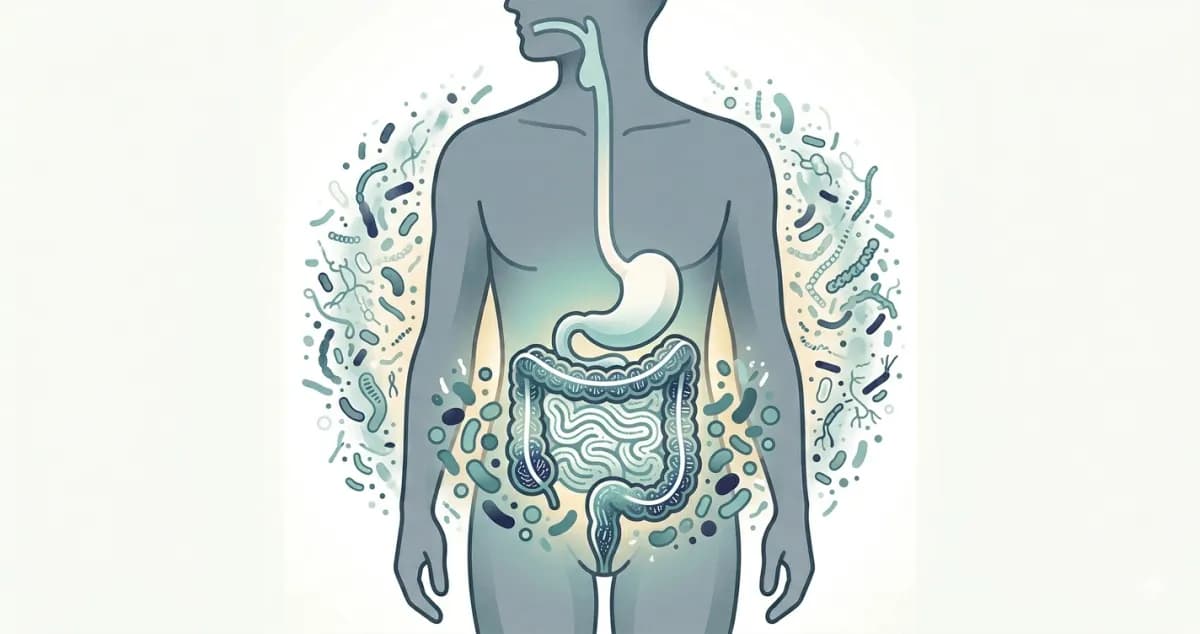
What Is the Human Microbiome? A Complete Introduction
Your body hosts roughly 39 trillion microorganisms — more than the number of human cells you have. Here's what they do, why they matter, and how they shape your health.
Key Terms: Gut Health
Glossary terms commonly referenced in gut health articles
Microbiome
The complete collection of microorganisms (bacteria, viruses, fungi, archaea) and their genetic material within a specific environment, such as the human gut.
Probiotic
Live microorganisms which, when administered in adequate amounts, confer a health benefit on the host. Benefits are strain-specific, not species-wide.
Lactobacillus
A genus of lactic acid-producing bacteria found naturally in the gut, mouth, and vaginal tract. Certain strains (L. rhamnosus GG, L. plantarum 299v) have strong clinical evidence for specific health benefits. Now reclassified into multiple genera including Lacticaseibacillus and Limosilactobacillus.
Intestinal Permeability
The property of the intestinal lining that controls what passes from the gut into the bloodstream. Increased permeability (sometimes called "leaky gut") allows harmful substances to enter circulation, triggering immune responses.
Bifidobacterium
A genus of beneficial bacteria that dominates the infant gut and remains important throughout life. Various species (B. longum, B. infantis, B. breve) are among the most studied probiotics, with evidence for IBS, immunity, and infant health.
Butyrate
The most studied short-chain fatty acid, produced primarily by Faecalibacterium prausnitzii and other anaerobic bacteria. Butyrate is the primary energy source for colonocytes (colon lining cells) and has anti-inflammatory properties.
Prebiotic
Non-digestible food components (typically dietary fibres) that selectively stimulate the growth or activity of beneficial gut bacteria. Common examples include inulin, FOS, and GOS.
Short-Chain Fatty Acids (SCFAs)
Metabolites produced when gut bacteria ferment dietary fibre. The three main SCFAs — butyrate, propionate, and acetate — are critical for colon health, immune regulation, and energy metabolism.
Dysbiosis
An imbalance in the composition or function of the microbiome, typically characterised by reduced diversity, loss of beneficial bacteria, or overgrowth of potentially harmful species.
Lactobacillus rhamnosus
One of the most extensively studied probiotic species. The strain L. rhamnosus GG has strong evidence for preventing antibiotic-associated diarrhoea and acute gastroenteritis in children. The strain L. rhamnosus JB-1 has shown anxiolytic effects in animal models via the vagus nerve, though human trials have been less conclusive.
IBS (Irritable Bowel Syndrome)
A chronic functional gastrointestinal disorder characterised by abdominal pain, bloating, and altered bowel habits without identifiable structural cause. The microbiome is increasingly recognised as a contributing factor, with IBS patients typically showing reduced microbial diversity and altered bacterial composition compared to healthy controls.
Gut-Brain Axis
The bidirectional communication system between the gastrointestinal tract and the central nervous system, involving neural, hormonal, and immune pathways. The microbiome plays a central role in this communication.