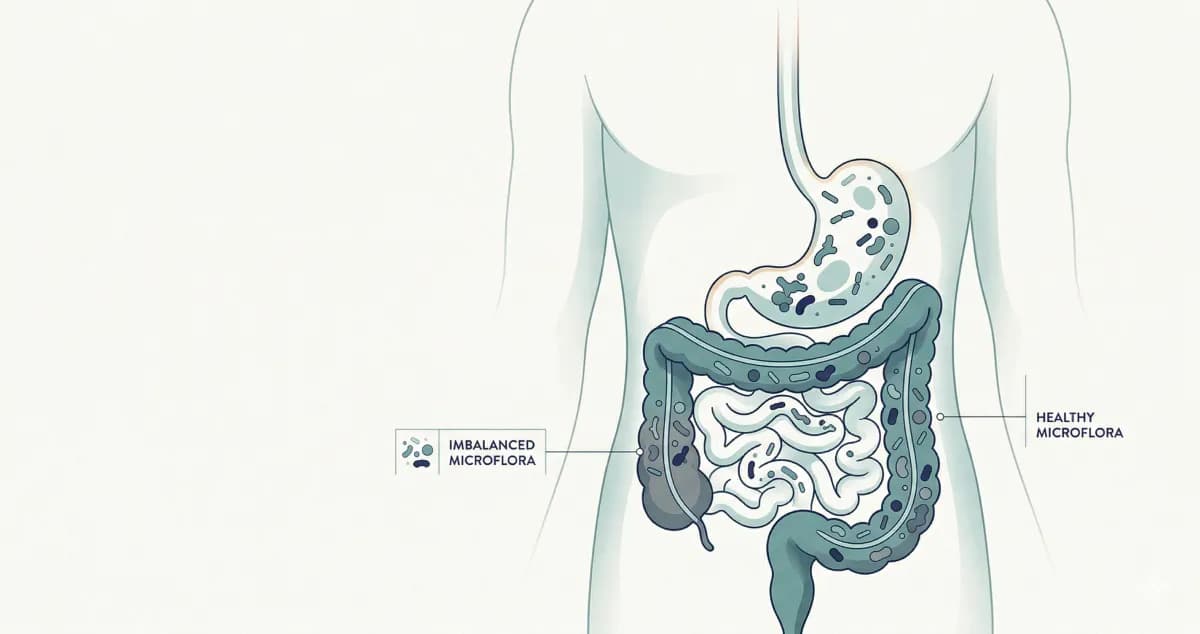
An imbalanced gut microbiome — sometimes called dysbiosis — can manifest in ways that extend far beyond the digestive tract. Research increasingly shows that the microbiome influences skin health, mental wellbeing, immune function, and metabolic regulation. This article outlines the signs to be aware of, the evidence behind them, and when professional input is warranted.
Important: This article is for educational purposes and is not a diagnostic tool. Many of these symptoms have multiple potential causes. If you are experiencing persistent or worsening symptoms, consult your GP.
Digestive Symptoms
These are the most direct indicators that something may be off in your gut.
Bloating, Gas, and Abdominal Discomfort
Excess gas production is a hallmark of microbial imbalance. While some gas is normal — gut bacteria produce gas as a byproduct of fibre fermentation — excessive or painful bloating can indicate an overgrowth of gas-producing species or poor carbohydrate absorption.
A study by Tap et al. (2017, Gut) found that people with chronic bloating had reduced microbial diversity and altered fermentation patterns compared to healthy controls.
Changes in Bowel Habits
Persistent diarrhoea, constipation, or alternating between the two can reflect dysbiosis. The gut microbiome regulates bowel motility through SCFA production and neurotransmitter signalling. Reduced butyrate production — caused by low fibre intake or microbial imbalance — is associated with both constipation and inflammatory changes in the colon.
Heartburn and Acid Reflux
Emerging evidence links the oesophageal and gastric microbiome to reflux conditions. Yang et al. (2009, Gut) found that the oesophageal microbiome differs significantly between healthy individuals and those with Barrett's oesophagus, a complication of chronic reflux.
Skin Conditions
The gut-skin axis is an area of growing research interest. Several skin conditions have been linked to gut microbiome composition.
Eczema and Atopic Dermatitis
A systematic review by Lee et al. (2018, Journal of Allergy and Clinical Immunology) found that infants who developed eczema had lower gut microbial diversity in early life, particularly reduced Bifidobacterium populations. The relationship appears bidirectional — gut inflammation can trigger systemic immune responses that manifest in the skin.
Acne
Bowe and Logan proposed the gut-brain-skin axis theory in 2011 (Gut Pathogens), linking gut dysbiosis to systemic inflammation and subsequent skin inflammation. More recently, Deng et al. (2018, BMC Microbiology) found significant differences in gut microbiome composition between acne patients and controls.
Rosacea
A meta-analysis by Daou et al. (2021, Journal of the American Academy of Dermatology) found a significant association between rosacea and small intestinal bacterial overgrowth (SIBO), with some patients experiencing improvement in skin symptoms after SIBO treatment.
Mood and Mental Health Changes
As explored in our article on the gut-brain connection, the gut produces the majority of the body's serotonin and communicates directly with the brain via the vagus nerve.
Anxiety and Low Mood
Valles-Colomer et al. (2019, Nature Microbiology) found that people with depression had consistently lower levels of Coprococcus and Dialister bacteria, even after controlling for antidepressant use. While this does not prove causation, it demonstrates a robust association.
Brain Fog and Poor Concentration
Though less studied, some research links gut dysbiosis to cognitive symptoms. Saji et al. (2019, Scientific Reports) found that specific gut microbial patterns were associated with dementia risk in elderly Japanese participants. Systemic inflammation originating from a leaky gut may contribute to neuroinflammation affecting cognitive function.
Persistent Fatigue
Chronic fatigue that does not resolve with rest may have a gut component. Giloteaux et al. (2016, Microbiome) found that patients with chronic fatigue syndrome (CFS/ME) had reduced gut microbial diversity and lower levels of butyrate-producing bacteria. The authors proposed that increased intestinal permeability and systemic inflammation could contribute to the fatigue experienced.
This does not mean all fatigue is gut-related — iron deficiency, thyroid disorders, sleep apnoea, and many other conditions cause fatigue. But if standard investigations come back normal, gut health is worth exploring.
Food Intolerances
Developing new food intolerances — particularly to foods you previously tolerated — can signal gut microbiome changes. The microbiome helps break down food components; when specific bacterial populations are depleted, certain foods may become harder to digest.
Lactose intolerance in particular has a microbial component. While primary lactose intolerance is genetic, the gut microbiome modulates tolerance thresholds. Azcarate-Peril et al. (2017, Nutrients) showed that adaptation of colonic bacteria to regular dairy exposure can improve lactose digestion over time.
Note: food intolerances are different from food allergies. Allergies involve the immune system and can be life-threatening. If you suspect a food allergy, see your GP immediately.
Unintentional Weight Changes
The gut microbiome influences energy extraction from food and metabolic regulation. Turnbaugh et al. (2006, Nature) demonstrated that the microbiome of obese mice extracted more calories from the same food than that of lean mice. When the "obese microbiome" was transplanted into germ-free mice, the recipients gained more weight.
In humans, Le Chatelier et al. (2013, Nature) found that low microbial gene richness — a marker of reduced diversity — was associated with obesity, insulin resistance, and inflammation.
Autoimmune Connections
A growing body of research links gut dysbiosis to autoimmune conditions. The proposed mechanism involves increased intestinal permeability (often termed "leaky gut"), where a compromised gut barrier allows bacterial components to enter the bloodstream, triggering inappropriate immune responses.
Conditions with established microbiome associations include:
- Rheumatoid arthritis — Scher et al. (2013, eLife) found elevated Prevotella copri in newly diagnosed patients
- Type 1 diabetes — reduced microbial diversity and altered composition precede diagnosis in children (Kostic et al., 2015, Cell Host & Microbe)
- Multiple sclerosis — Jangi et al. (2016, Nature Communications) identified specific microbial signatures in MS patients
These associations do not confirm that gut dysbiosis causes autoimmune disease, but they suggest the microbiome plays a role in disease development or progression.
Frequent Infections
Approximately 70% of the immune system resides in the gut. A depleted or imbalanced microbiome can compromise immune function, potentially leading to more frequent colds, urinary tract infections, or other infections. Huda et al. (2019, EBioMedicine) found that the gut microbiome composition of Bangladeshi infants predicted their vaccine responses, demonstrating a direct link between gut health and immune function.
When to See Your GP
See your GP if you experience:
- Persistent changes in bowel habits lasting more than 4 weeks
- Unexplained weight loss
- Blood in your stool
- Persistent abdominal pain not relieved by passing wind or opening your bowels
- Symptoms of anaemia (fatigue, breathlessness, pale skin)
- New symptoms after age 50 — NICE guidelines recommend investigation to rule out bowel cancer
These symptoms overlap with serious conditions including inflammatory bowel disease (Crohn's, ulcerative colitis), coeliac disease, and bowel cancer. Self-diagnosing "dysbiosis" when there is an underlying condition requiring treatment is dangerous.
Key Takeaways
- Gut health problems can manifest as digestive symptoms, skin conditions, mood changes, fatigue, food intolerances, and immune dysfunction
- The evidence for gut-skin, gut-brain, and gut-immune connections is substantial and growing
- Reduced microbial diversity is the most consistent finding across these conditions
- These symptoms have multiple possible causes — do not assume a gut problem without proper investigation
- See your GP for persistent, worsening, or red-flag symptoms
- Improving gut health through diet, sleep, exercise, and stress management is a reasonable first step for mild symptoms — see our guide to improving gut health naturally
Medical disclaimer: This article is for educational purposes only and does not constitute medical advice. Always consult a qualified healthcare professional before making changes to your diet, starting supplements, or making decisions about your health.
Related Articles
The Baby Microbiome: Why the First 1,000 Days Shape Lifelong Health
From birth to age three, a child's microbiome undergoes the most dramatic development it will ever experience. How a baby is born, fed, and raised has lasting consequences for immune function, allergy risk, and metabolic health.

Gut Health After 50: How the Microbiome Changes with Age and What You Can Do
After 50, microbial diversity naturally declines while inflammation-associated bacteria increase. Understanding these shifts can help you protect your gut health, immunity, and cognitive function as you age.
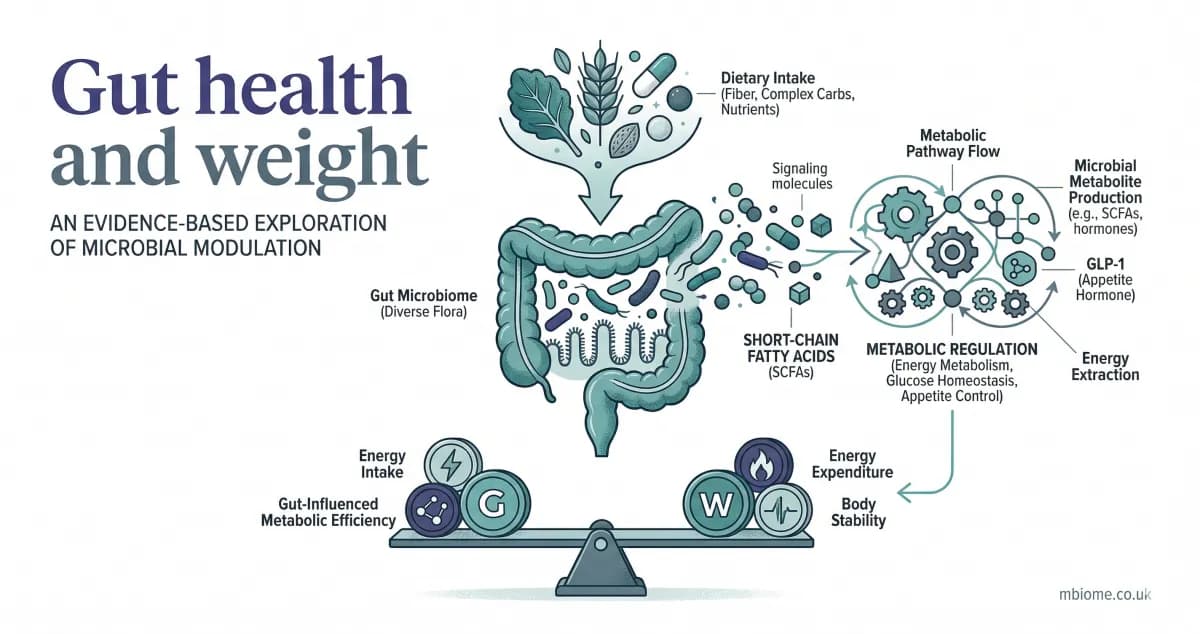
The Microbiome and Weight: What Science Really Says About Gut Bacteria and Body Weight
Research increasingly links the gut microbiome to weight regulation, but the relationship is complex. We examine the evidence — from landmark mouse studies to human trials — and separate proven mechanisms from premature claims.
Explore Other Topics
Related articles from across mbiome
Signs of an Unhealthy Gut: What Your Body Is Telling You
Probiotics get the headlines, but prebiotics may be just as important. Here is how they differ, where to find them in food, and what the evidence says about taking both together.
Skin MicrobiomeThe Gut-Skin Axis: How Your Microbiome Affects Your Skin
Acne, eczema, rosacea, and psoriasis have all been linked to gut health. The emerging science of the gut-skin axis suggests that what happens in your digestive tract can show up on your face.
Diet & NutritionThe Mediterranean Diet and the Microbiome: Why It Keeps Topping the Evidence
The Mediterranean diet is the most studied dietary pattern in microbiome research, consistently linked to greater microbial diversity, reduced inflammation, and better metabolic health. Here's what the science shows and how to apply it.
Key Terms
Glossary terms mentioned in this article
Intestinal Permeability
The property of the intestinal lining that controls what passes from the gut into the bloodstream. Increased permeability (sometimes called "leaky gut") allows harmful substances to enter circulation, triggering immune responses.
Bifidobacterium
A genus of beneficial bacteria that dominates the infant gut and remains important throughout life. Various species (B. longum, B. infantis, B. breve) are among the most studied probiotics, with evidence for IBS, immunity, and infant health.
Fermentation
The metabolic process by which bacteria break down substrates (such as dietary fibre) in the absence of oxygen. In the gut, fermentation of fibre produces short-chain fatty acids, gases, and other metabolites essential for colon health.
Vagus Nerve
The longest cranial nerve, connecting the brainstem to the abdomen. It is the primary communication channel of the gut-brain axis, with approximately 80% of its fibres carrying signals from the gut to the brain.
Microbiome
The complete collection of microorganisms (bacteria, viruses, fungi, archaea) and their genetic material within a specific environment, such as the human gut.
Prevotella
A bacterial genus associated with high-fibre, plant-rich diets. Prevotella copri is dominant in populations consuming traditional, grain-based diets and is relatively rare in Western populations eating processed food. It defines one of the three proposed human gut enterotypes.
Dysbiosis
An imbalance in the composition or function of the microbiome, typically characterised by reduced diversity, loss of beneficial bacteria, or overgrowth of potentially harmful species.
Serotonin
A neurotransmitter commonly associated with mood regulation, of which approximately 95% is produced in the gut by enterochromaffin cells. Gut-derived serotonin influences intestinal motility, secretion, and pain perception. The microbiome modulates serotonin production, forming a key link in the gut-brain axis.