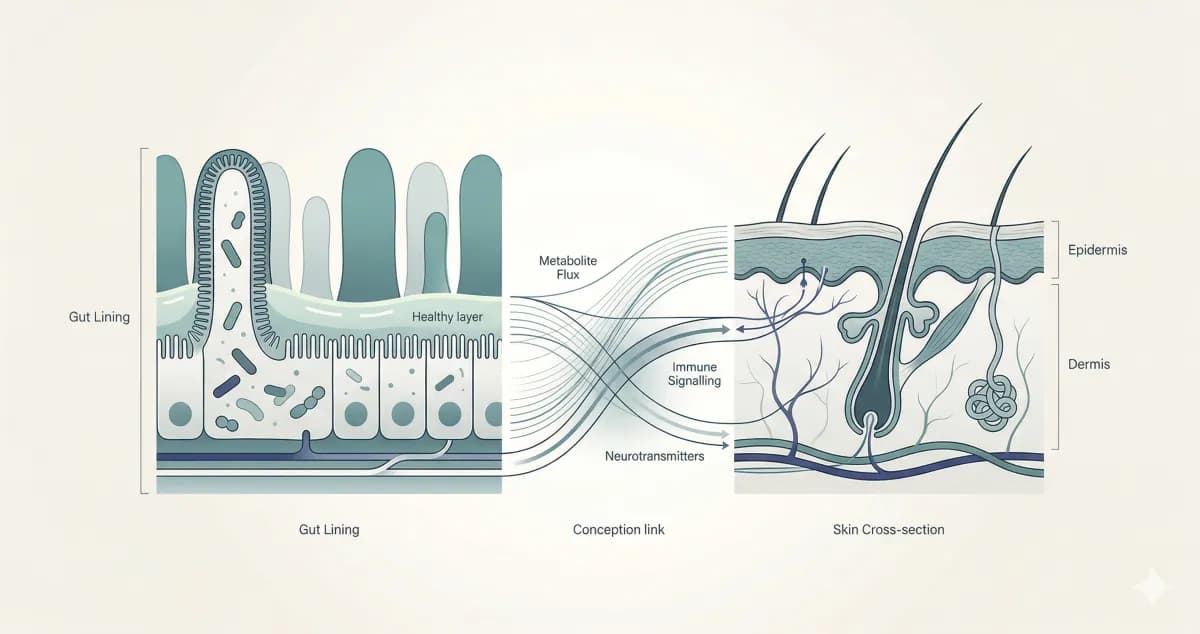
The idea that your gut affects your skin is not new — dermatologists John Stokes and Donald Pillsbury first proposed a gut-brain-skin connection back in 1930. Nearly a century later, modern research is catching up, revealing a bidirectional communication system now known as the gut-skin axis.
How the Gut Affects the Skin
The mechanism is primarily inflammatory. When the gut microbiome is disrupted — a state called dysbiosis — several things can happen:
- Increased intestinal permeability ("leaky gut") allows bacterial fragments, particularly lipopolysaccharides (LPS), to enter the bloodstream
- These fragments trigger systemic inflammation via pro-inflammatory cytokines (IL-6, TNF-alpha, IL-17)
- This systemic inflammation reaches the skin, exacerbating or triggering inflammatory skin conditions
A landmark review by O'Neill et al. (2016, British Journal of Dermatology) mapped the evidence connecting gut dysbiosis to multiple skin conditions, establishing the gut-skin axis as a legitimate area of dermatological research.
Skin Conditions Linked to the Gut
Acne
The connection between gut health and acne vulgaris is increasingly well-documented. A study by Deng et al. (2018, published in Dermatology) found that patients with acne had significantly lower gut microbial diversity compared to controls, with reduced levels of beneficial Lactobacillus and Bifidobacterium species.
A high-glycaemic diet — white bread, sugary drinks, processed snacks — drives both gut dysbiosis and acne through insulin-like growth factor 1 (IGF-1) pathways. As explored in our article on ultra-processed food and gut health, these dietary patterns have a dual negative effect.
Eczema (Atopic Dermatitis)
The gut-eczema connection has some of the strongest evidence. A systematic review by Petersen et al. (2019, Journal of the European Academy of Dermatology and Venereology) found that infants who developed eczema had measurably different gut microbiomes in the first months of life — specifically, lower Bifidobacterium diversity and higher Clostridium levels.
Certain probiotic strains have shown modest benefit in preventing eczema in high-risk infants. Lactobacillus rhamnosus GG, given to mothers during late pregnancy and to infants in the first six months, reduced eczema incidence by roughly 50% in the original Finnish trial (Kalliomaki et al., 2001, The Lancet), though subsequent studies have produced mixed results.
Rosacea
Rosacea has a particularly interesting gut connection. Patients with rosacea are significantly more likely to have small intestinal bacterial overgrowth (SIBO) than healthy controls. A study by Parodi et al. (2008, Clinical Gastroenterology and Hepatology) found that 46% of rosacea patients tested positive for SIBO, compared to 5% of controls. Treatment of SIBO with rifaximin led to near-complete skin clearance in many patients.
Psoriasis
Psoriasis is an autoimmune condition, and the gut microbiome plays a well-established role in immune regulation. Patients with psoriasis show reduced microbial diversity and lower levels of Faecalibacterium prausnitzii, an important anti-inflammatory bacterium that produces butyrate. A study by Scher et al. (2015, Arthritis & Rheumatology) documented these microbiome differences and proposed that gut-derived inflammation contributes to psoriatic disease.
The Skin Has Its Own Microbiome
It is worth noting that the skin hosts its own diverse microbial community — the skin microbiome — which interacts with the gut microbiome indirectly. Key skin residents include Cutibacterium acnes (implicated in acne when overgrown), Staphylococcus epidermidis (generally protective), and Malassezia (a fungus involved in dandruff and seborrhoeic dermatitis).
Disrupting the skin microbiome through aggressive cleansing, antibacterial products, or over-exfoliation can worsen skin conditions independently of gut health.
Practical Dietary Strategies
Based on the current evidence, the following dietary approaches may support both gut and skin health:
Increase fibre intake — Aim for the recommended 30g per day. Fibre feeds beneficial gut bacteria that produce anti-inflammatory short-chain fatty acids. See our detailed guide to fibre and the microbiome for practical advice.
Include fermented foods — Live yoghurt, kefir, sauerkraut, and kimchi provide both probiotics and postbiotics. The Stanford study (Wastyk et al., 2021, Cell) found that fermented foods increased microbial diversity more effectively than a high-fibre diet alone.
Reduce high-glycaemic foods — White bread, sugary cereals, and processed snacks drive both gut inflammation and skin conditions via IGF-1 pathways.
Consider omega-3 fatty acids — Oily fish (salmon, mackerel, sardines), walnuts, and flaxseeds have anti-inflammatory properties that benefit both gut and skin.
Eat polyphenol-rich foods — Berries, green tea, dark chocolate, and extra virgin olive oil contain compounds that feed beneficial gut bacteria and have direct anti-inflammatory effects on the skin.
Stay hydrated — Adequate water intake supports both gut motility and skin barrier function, though this is not a microbiome-specific intervention.
What About Probiotic Supplements for Skin?
The evidence for oral probiotics improving skin conditions is mixed. The strongest data exists for eczema prevention in infants (Lactobacillus rhamnosus GG). For acne and rosacea, some small trials show benefit, but we lack the large, well-designed studies needed for clinical recommendations. As discussed in our article on probiotics, strain specificity matters enormously — a generic "gut health" probiotic is unlikely to help your skin.
The Bottom Line
- The gut-skin axis is a real phenomenon, mediated primarily through systemic inflammation
- Acne, eczema, rosacea, and psoriasis all have documented connections to gut health
- Rosacea has a particularly strong link to SIBO
- Dietary changes — more fibre, fermented foods, omega-3s, and fewer ultra-processed foods — represent the most evidence-based approach
- Probiotic supplements show promise but lack the robust clinical data needed for specific recommendations
- Aggressive skin cleansing routines can independently disrupt the skin microbiome
Medical disclaimer: This article is for educational purposes only and does not constitute medical advice. Always consult a qualified healthcare professional before making changes to your diet, starting supplements, or making decisions about your health.
Related Articles
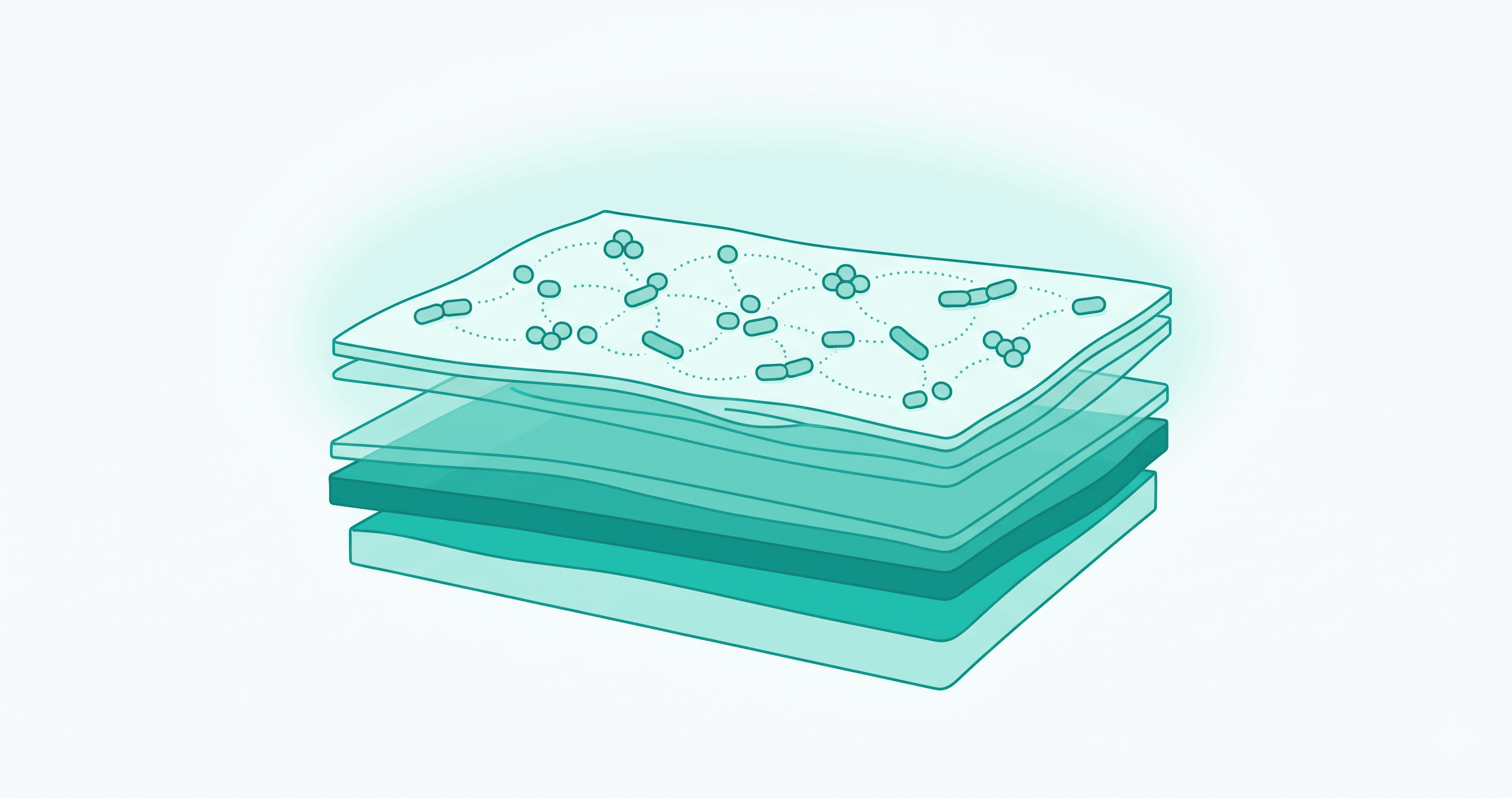
Your Skin Microbiome: What Lives on Your Skin and Why It Matters
Your skin hosts roughly one trillion microorganisms — bacteria, fungi, viruses, and mites — that form a living shield. Understanding this invisible ecosystem is changing how dermatologists think about skin health.
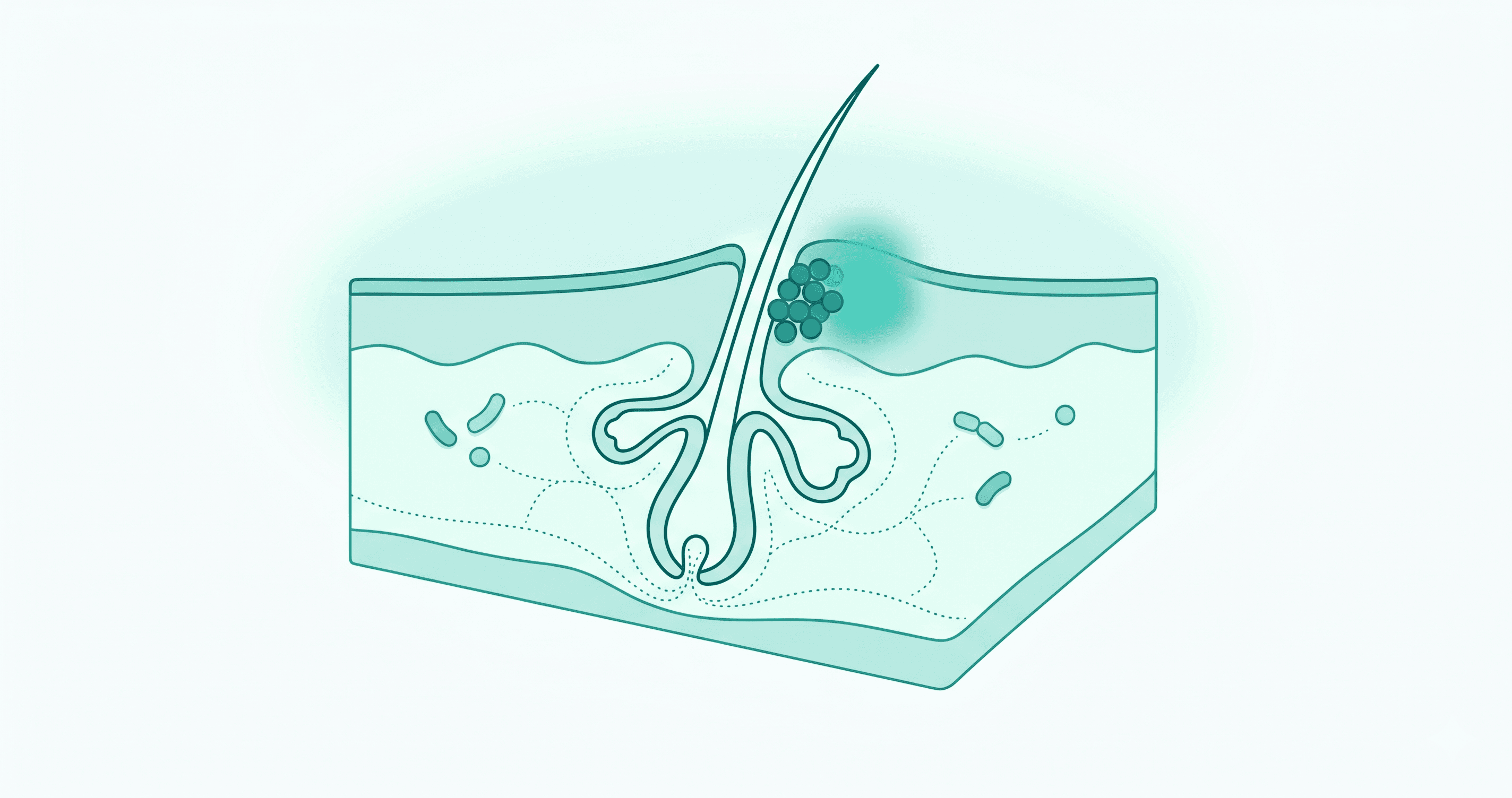
Acne and the Microbiome: What the Research Shows
Acne is far more than a teenage nuisance — it affects 85% of people at some point. Emerging research suggests the skin and gut microbiome play a bigger role than previously thought.
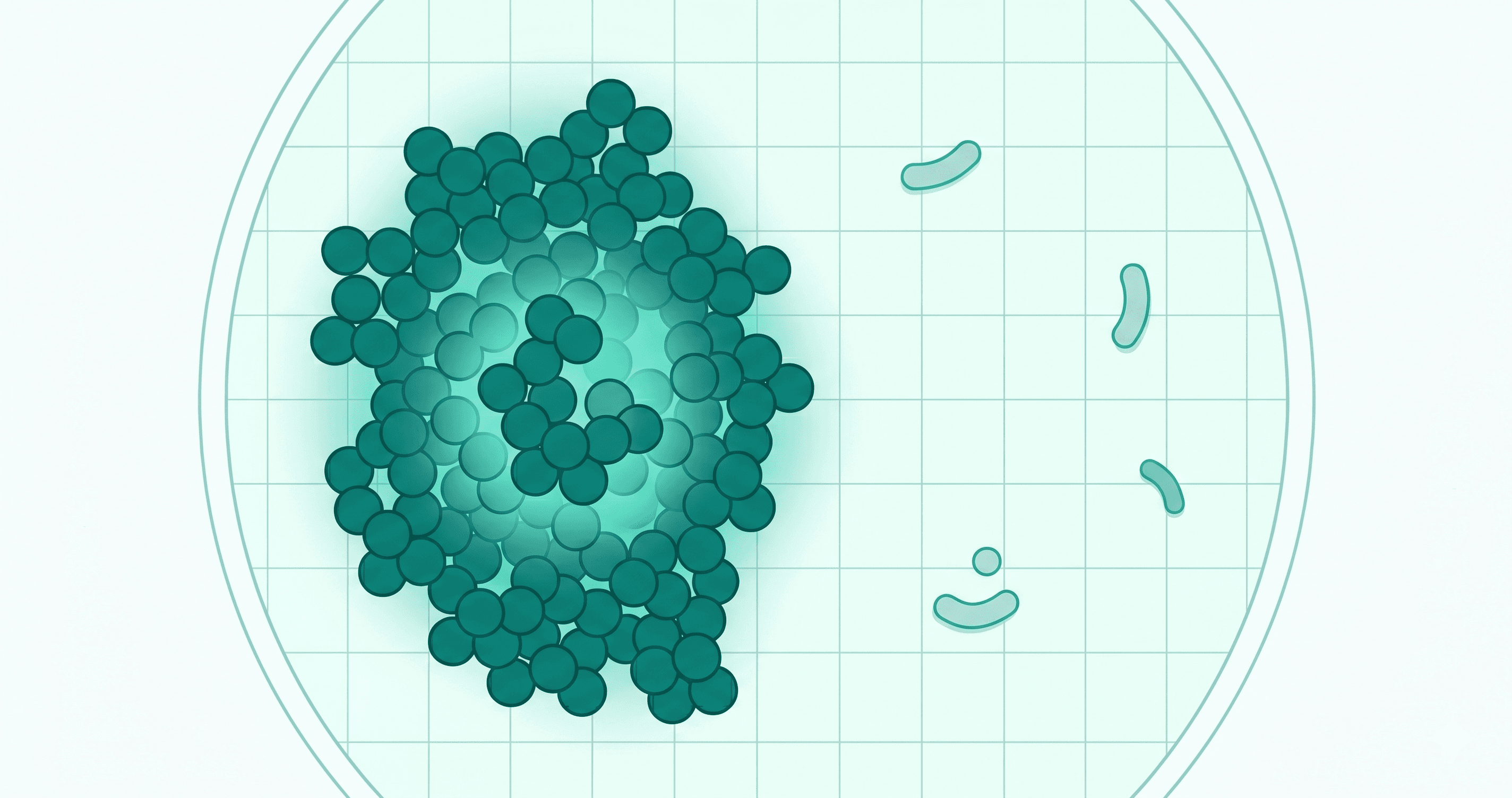
Eczema and the Skin Microbiome: The Staphylococcus Connection
Eczema flares are consistently linked to an overgrowth of Staphylococcus aureus and a collapse in skin microbial diversity. Here is what the research shows and what treatments are on the horizon.
Explore Other Topics
Related articles from across mbiome
How Stress Affects Your Gut: The Two-Way Street
Stress does not just feel bad — it physically alters your gut microbiome. The HPA axis, vagus nerve, and intestinal barrier are all involved in a bidirectional stress-gut loop that research is only beginning to untangle.
Gut HealthHistamine Intolerance and the Gut Microbiome: What the Research Shows
Histamine intolerance causes symptoms from headaches to skin flushing and digestive distress. Emerging research points to the gut microbiome — and specifically histamine-producing bacteria — as a key factor.
Diet & NutritionThe Mediterranean Diet and the Microbiome: Why It Keeps Topping the Evidence
The Mediterranean diet is the most studied dietary pattern in microbiome research, consistently linked to greater microbial diversity, reduced inflammation, and better metabolic health. Here's what the science shows and how to apply it.
Key Terms
Glossary terms mentioned in this article
Short-Chain Fatty Acids (SCFAs)
Metabolites produced when gut bacteria ferment dietary fibre. The three main SCFAs — butyrate, propionate, and acetate — are critical for colon health, immune regulation, and energy metabolism.
Faecalibacterium prausnitzii
One of the most abundant and important bacteria in the healthy human gut. A major butyrate producer with strong anti-inflammatory properties. Reduced abundance is consistently associated with Crohn's disease and other inflammatory conditions.
Staphylococcus epidermidis
One of the most abundant commensal bacteria on human skin. S. epidermidis produces antimicrobial peptides that inhibit pathogenic bacteria including S. aureus, communicates with the immune system, and helps maintain the skin's acidic pH. Often called the "good staph."
Lipopolysaccharide (LPS)
A component of the outer membrane of gram-negative bacteria. When LPS enters the bloodstream through a compromised intestinal barrier, it triggers inflammation — a key mechanism linking gut health to systemic disease.
Intestinal Permeability
The property of the intestinal lining that controls what passes from the gut into the bloodstream. Increased permeability (sometimes called "leaky gut") allows harmful substances to enter circulation, triggering immune responses.
Lactobacillus rhamnosus
One of the most extensively studied probiotic species. The strain L. rhamnosus GG has strong evidence for preventing antibiotic-associated diarrhoea and acute gastroenteritis in children. The strain L. rhamnosus JB-1 has shown anxiolytic effects in animal models via the vagus nerve, though human trials have been less conclusive.
Cutibacterium acnes
The dominant bacterium on the human face (formerly classified as Propionibacterium acnes). It metabolises sebum and helps maintain the skin's acid mantle. Certain strains are associated with acne vulgaris, while others are found on healthy skin — the issue is strain imbalance rather than the species itself.
Omega-3 Fatty Acids
Essential polyunsaturated fatty acids found in oily fish (salmon, mackerel, sardines), walnuts, and flaxseeds. Omega-3s have anti-inflammatory properties and research suggests they may support gut microbiome diversity by increasing Bifidobacterium and Lactobacillus populations and enhancing SCFA production.