Skin Microbiome
The ecosystem of microorganisms living on your skin. How the skin microbiome affects conditions like acne, eczema, and skin ageing.
Articles in Skin Microbiome
These articles are grouped to help readers move from overview to specifics without losing the evidence context.

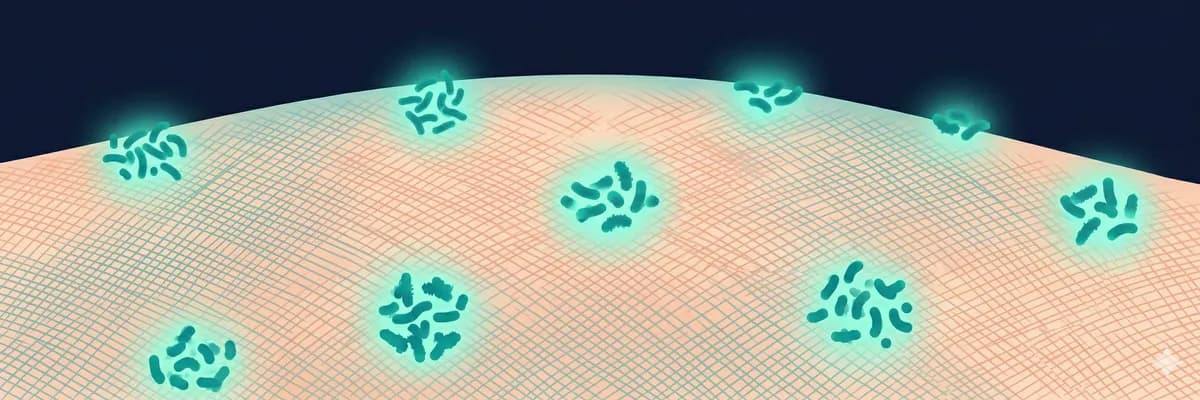
Your Skin Microbiome: What Lives on Your Skin and Why It Matters
Your skin hosts roughly one trillion microorganisms — bacteria, fungi, viruses, and mites — that form a living shield. Understanding this invisible ecosystem is changing how dermatologists think about skin health.
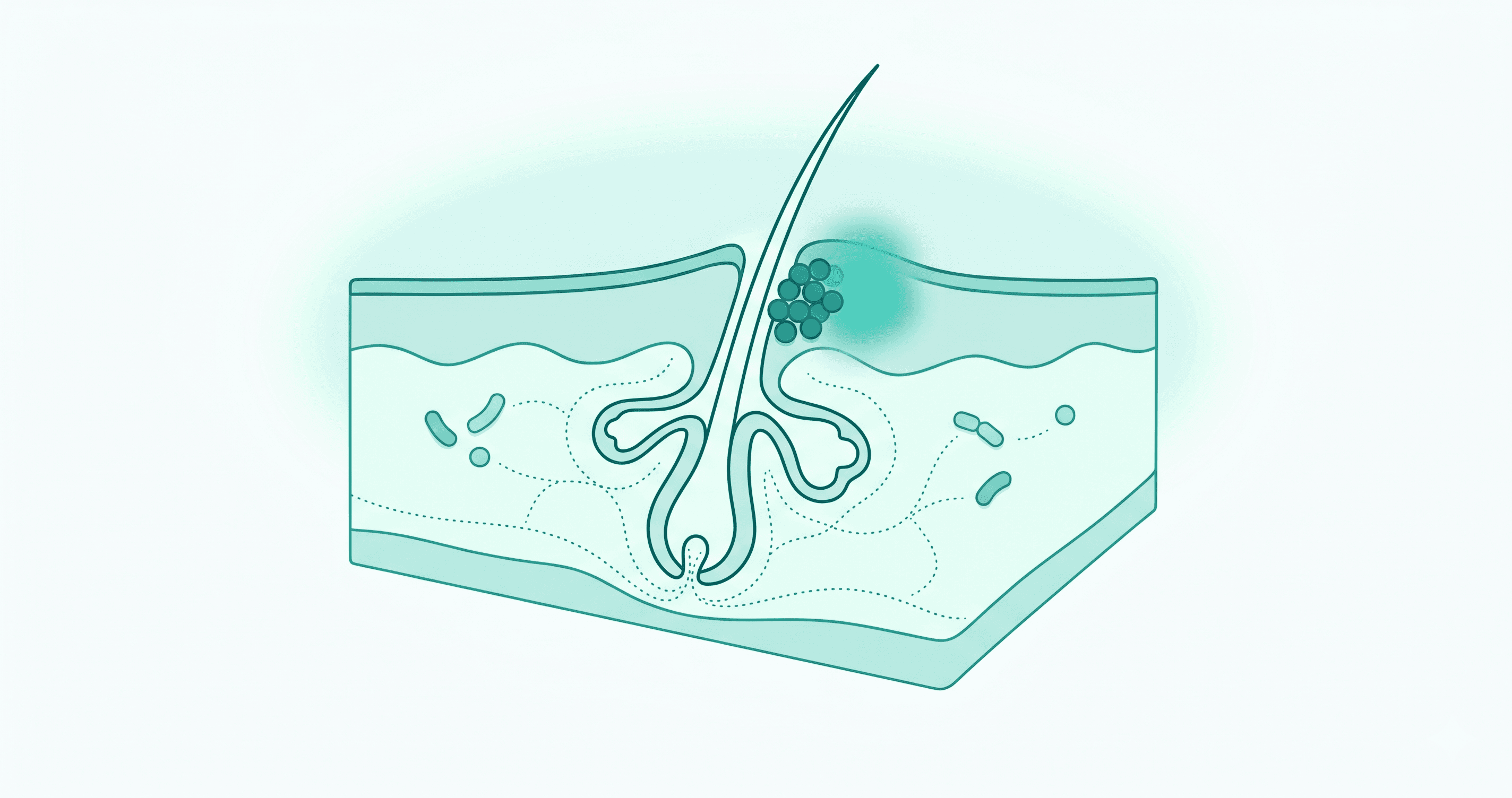
Acne and the Microbiome: What the Research Shows
Acne is far more than a teenage nuisance — it affects 85% of people at some point. Emerging research suggests the skin and gut microbiome play a bigger role than previously thought.
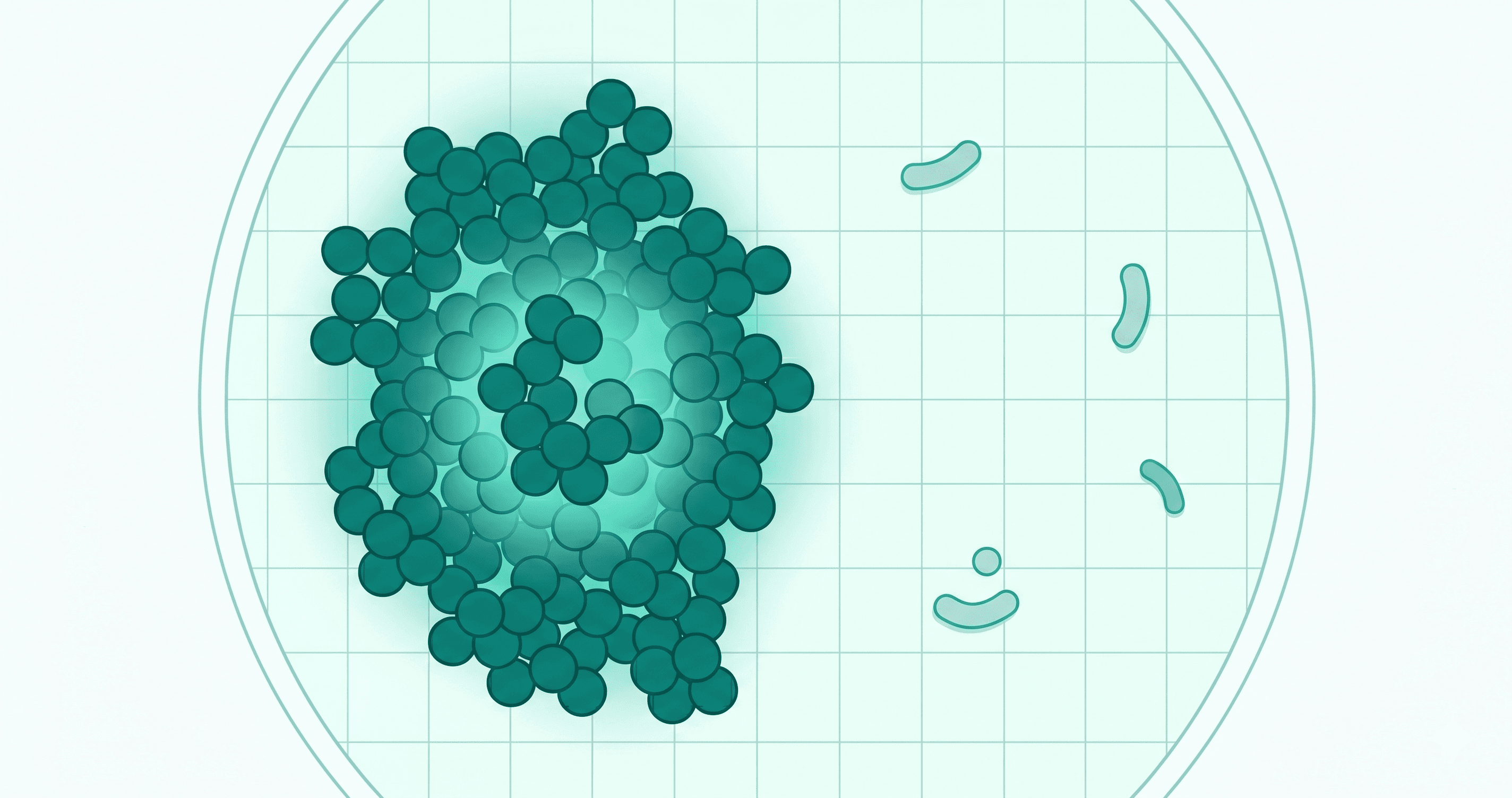
Eczema and the Skin Microbiome: The Staphylococcus Connection
Eczema flares are consistently linked to an overgrowth of Staphylococcus aureus and a collapse in skin microbial diversity. Here is what the research shows and what treatments are on the horizon.
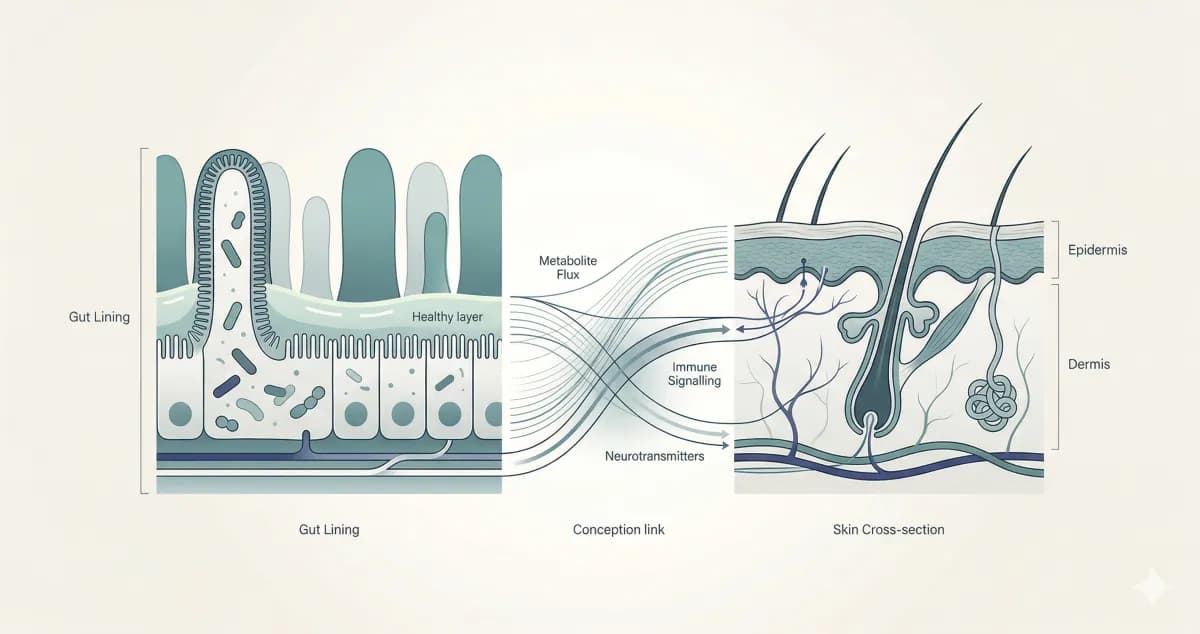
The Gut-Skin Axis: How Your Microbiome Affects Your Skin
Acne, eczema, rosacea, and psoriasis have all been linked to gut health. The emerging science of the gut-skin axis suggests that what happens in your digestive tract can show up on your face.
Key Terms: Skin Microbiome
Glossary terms commonly referenced in skin microbiome articles
Microbiome
The complete collection of microorganisms (bacteria, viruses, fungi, archaea) and their genetic material within a specific environment, such as the human gut.
Probiotic
Live microorganisms which, when administered in adequate amounts, confer a health benefit on the host. Benefits are strain-specific, not species-wide.
Staphylococcus epidermidis
One of the most abundant commensal bacteria on human skin. S. epidermidis produces antimicrobial peptides that inhibit pathogenic bacteria including S. aureus, communicates with the immune system, and helps maintain the skin's acidic pH. Often called the "good staph."
Dysbiosis
An imbalance in the composition or function of the microbiome, typically characterised by reduced diversity, loss of beneficial bacteria, or overgrowth of potentially harmful species.
Bifidobacterium
A genus of beneficial bacteria that dominates the infant gut and remains important throughout life. Various species (B. longum, B. infantis, B. breve) are among the most studied probiotics, with evidence for IBS, immunity, and infant health.
Lactobacillus
A genus of lactic acid-producing bacteria found naturally in the gut, mouth, and vaginal tract. Certain strains (L. rhamnosus GG, L. plantarum 299v) have strong clinical evidence for specific health benefits. Now reclassified into multiple genera including Lacticaseibacillus and Limosilactobacillus.
Cutibacterium acnes
The dominant bacterium on the human face (formerly classified as Propionibacterium acnes). It metabolises sebum and helps maintain the skin's acid mantle. Certain strains are associated with acne vulgaris, while others are found on healthy skin — the issue is strain imbalance rather than the species itself.
Commensal
An organism that benefits from a relationship with another organism without causing harm. Most gut bacteria are commensals — they gain food and shelter while contributing to digestion, immunity, and barrier function.
Intestinal Permeability
The property of the intestinal lining that controls what passes from the gut into the bloodstream. Increased permeability (sometimes called "leaky gut") allows harmful substances to enter circulation, triggering immune responses.
Lactobacillus rhamnosus
One of the most extensively studied probiotic species. The strain L. rhamnosus GG has strong evidence for preventing antibiotic-associated diarrhoea and acute gastroenteritis in children. The strain L. rhamnosus JB-1 has shown anxiolytic effects in animal models via the vagus nerve, though human trials have been less conclusive.
Staphylococcus aureus
A common bacterium that colonises the skin and nasal passages. While often harmless, S. aureus is an opportunistic pathogen implicated in wound infections, food poisoning, and skin conditions. In eczema, S. aureus overgrowth during flares is a consistent finding, driving inflammation through superantigen production.
Postbiotic
Bioactive compounds produced by probiotic bacteria during fermentation, including short-chain fatty acids, enzymes, and cell wall fragments. These can have health benefits independent of living bacteria.