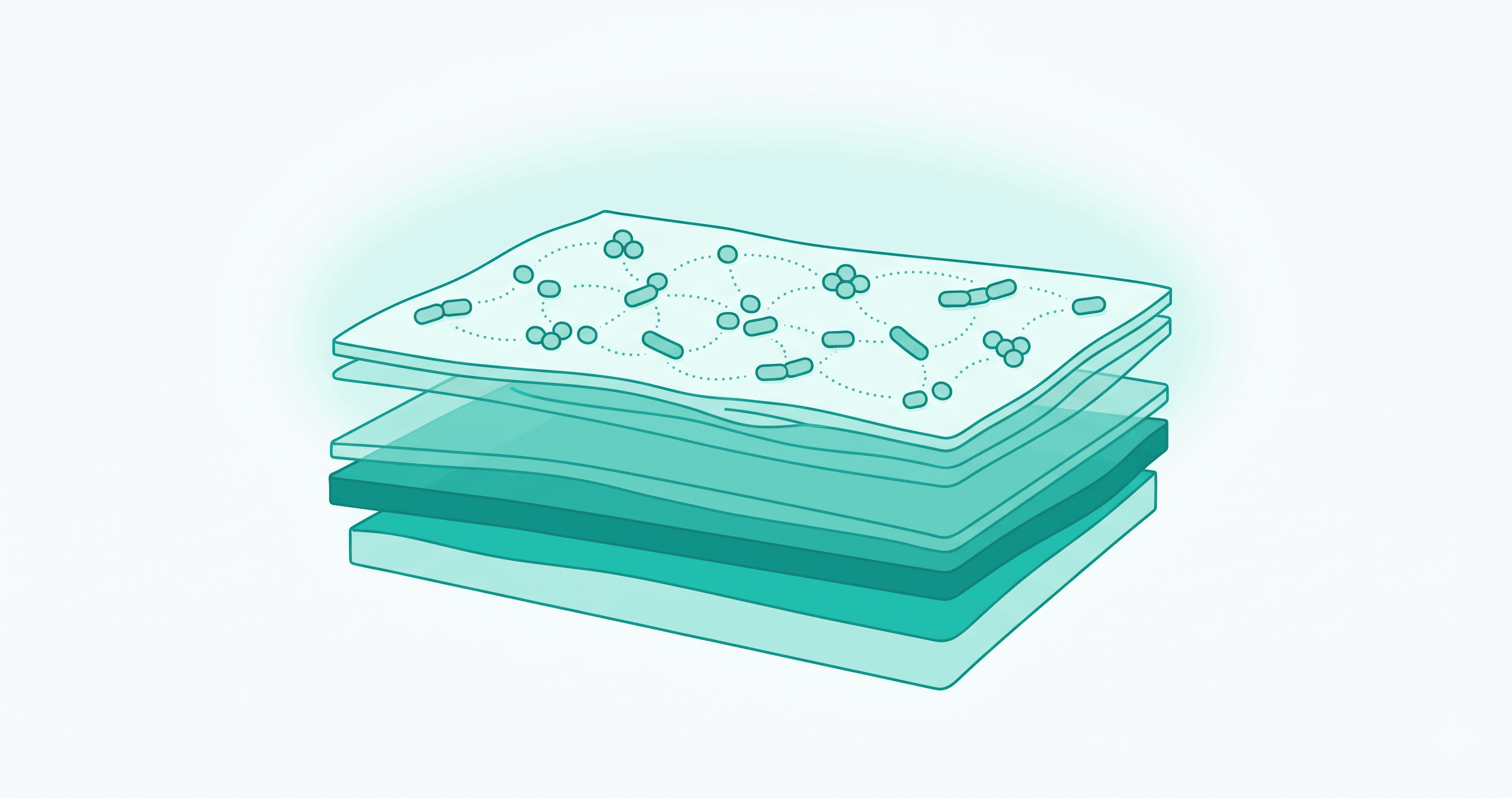
Your skin is not a sterile surface. It is a living ecosystem hosting approximately one trillion microorganisms — bacteria, fungi, viruses, and even microscopic mites — collectively known as the skin microbiome. Far from being passive passengers, these microbes play an active role in protecting you from disease, training your immune system, and maintaining the skin barrier.
What Lives on Your Skin?
The composition of the skin microbiome varies dramatically by body site. Oily areas such as the face, chest, and back are dominated by lipid-loving bacteria, particularly Cutibacterium acnes (formerly Propionibacterium acnes). Moist areas like the armpits and groin harbour Staphylococcus and Corynebacterium species. Dry areas such as the forearms and legs host the greatest diversity, with a mix of Betaproteobacteria, Flavobacteriales, and others.
A landmark study by Grice et al. (2009, Science) mapped the skin microbiome across 20 body sites in healthy volunteers and found that the habitat — oily, moist, or dry — was the primary driver of microbial composition, more so than individual variation between people.
Key Species
Staphylococcus epidermidis — Often described as the "good staph," S. epidermidis is one of the most abundant skin bacteria. It produces antimicrobial peptides that inhibit pathogenic bacteria, communicates with the immune system, and helps maintain the acidic pH of healthy skin. Research by Nakatsuji et al. (2017, Science Translational Medicine) showed that S. epidermidis strains produce antimicrobials that selectively kill Staphylococcus aureus — the pathogen implicated in eczema and wound infections.
Cutibacterium acnes — C. acnes is the dominant bacterium on the face and is essential for normal skin function. It metabolises sebum (skin oil) and helps maintain the skin's acidic mantle. Problems arise when certain strains of C. acnes overgrow or when the balance with other species is disrupted, contributing to acne vulgaris.
Malassezia — This lipophilic fungus is found on virtually everyone's skin. It is generally harmless but is implicated in conditions such as dandruff, seborrhoeic dermatitis, and pityriasis versicolor when it overgrows.
Demodex mites — Microscopic eight-legged mites that live in hair follicles, particularly on the face. Present in most adults, they are usually harmless but may contribute to rosacea in some individuals.
How the Skin Microbiome Protects You
The skin microbiome provides several layers of protection:
Competitive exclusion — Resident bacteria occupy niches and consume nutrients that would otherwise be available to pathogens. This colonisation resistance is one of the simplest and most effective defence mechanisms.
Antimicrobial production — Many skin commensals produce bacteriocins and other antimicrobial compounds. S. epidermidis, for example, produces phenol-soluble modulins that kill MRSA in vitro.
Immune training — The skin microbiome constantly communicates with the immune system through dendritic cells and keratinocytes. This interaction helps calibrate immune responses — too little microbial exposure may contribute to allergic conditions, while certain pathogenic signals trigger protective inflammation.
Barrier maintenance — Commensal bacteria contribute to the production of ceramides and fatty acids that strengthen the skin barrier. A disrupted microbiome can lead to a weakened barrier and increased transepidermal water loss.
What Disrupts the Skin Microbiome?
Several common practices and exposures can shift the skin microbiome away from a healthy state:
Over-washing and harsh cleansers — Frequent washing with soap strips away protective oils and disrupts the microbial community. Antibacterial soaps are particularly damaging, as they target beneficial bacteria alongside pathogens. A study by Two et al. (2016, Journal of Investigative Dermatology) found that skin microbiome diversity recovered slowly after disruption by antimicrobial products.
Antibiotics — Both topical and oral antibiotics can devastate the skin microbiome. Prolonged antibiotic use for acne, for example, may eliminate beneficial species and promote resistant strains. The relationship between antibiotics and the microbiome extends beyond the gut.
Environmental factors — Air pollution, UV radiation, and climate all influence the skin microbiome. Urban dwellers tend to have lower microbial diversity than those in rural environments, mirroring patterns seen in the gut.
Skincare products — Preservatives, fragrances, and certain active ingredients can alter the skin's pH and microbial composition. The long-term effects of most skincare ingredients on the skin microbiome remain poorly studied.
The Skin Microbiome and Common Conditions
Research increasingly links skin microbiome disruption to several common conditions. Eczema is characterised by S. aureus overgrowth and reduced diversity during flares. Acne involves shifts in C. acnes strain composition rather than simple overgrowth. Rosacea has been linked to Demodex mite overgrowth and altered bacterial communities.
The gut microbiome also influences skin health indirectly through the gut-skin axis — systemic inflammation originating from gut dysbiosis can manifest as skin conditions.
Practical Advice
Based on the current evidence, the following practices support a healthy skin microbiome:
- Avoid over-cleansing — Wash with gentle, pH-balanced cleansers. The skin's natural pH is around 5.0, and maintaining this acidity supports commensal bacteria
- Be cautious with antibacterial products — Unless medically indicated, avoid antibacterial soaps and triclosan-containing products
- Moisturise regularly — Emollients support the skin barrier and provide a more hospitable environment for beneficial bacteria
- Consider your gut health — The gut-skin axis means that dietary interventions for gut health may also benefit your skin
- Be sceptical of "microbiome-friendly" marketing — The field is young, and many product claims outpace the science
The Future
Microbiome-based skincare is an active area of research. Topical probiotics, bacteriotherapy (applying beneficial bacteria directly to the skin), and microbiome transplants are all under investigation. Early results are promising — particularly for eczema and acne — but we are still several years from robust clinical evidence for most applications. For now, the best approach is to avoid disrupting the ecosystem you already have.
Medical disclaimer: This article is for educational purposes only and does not constitute medical advice. Always consult a qualified healthcare professional before making changes to your diet, starting supplements, or making decisions about your health.
Related Articles
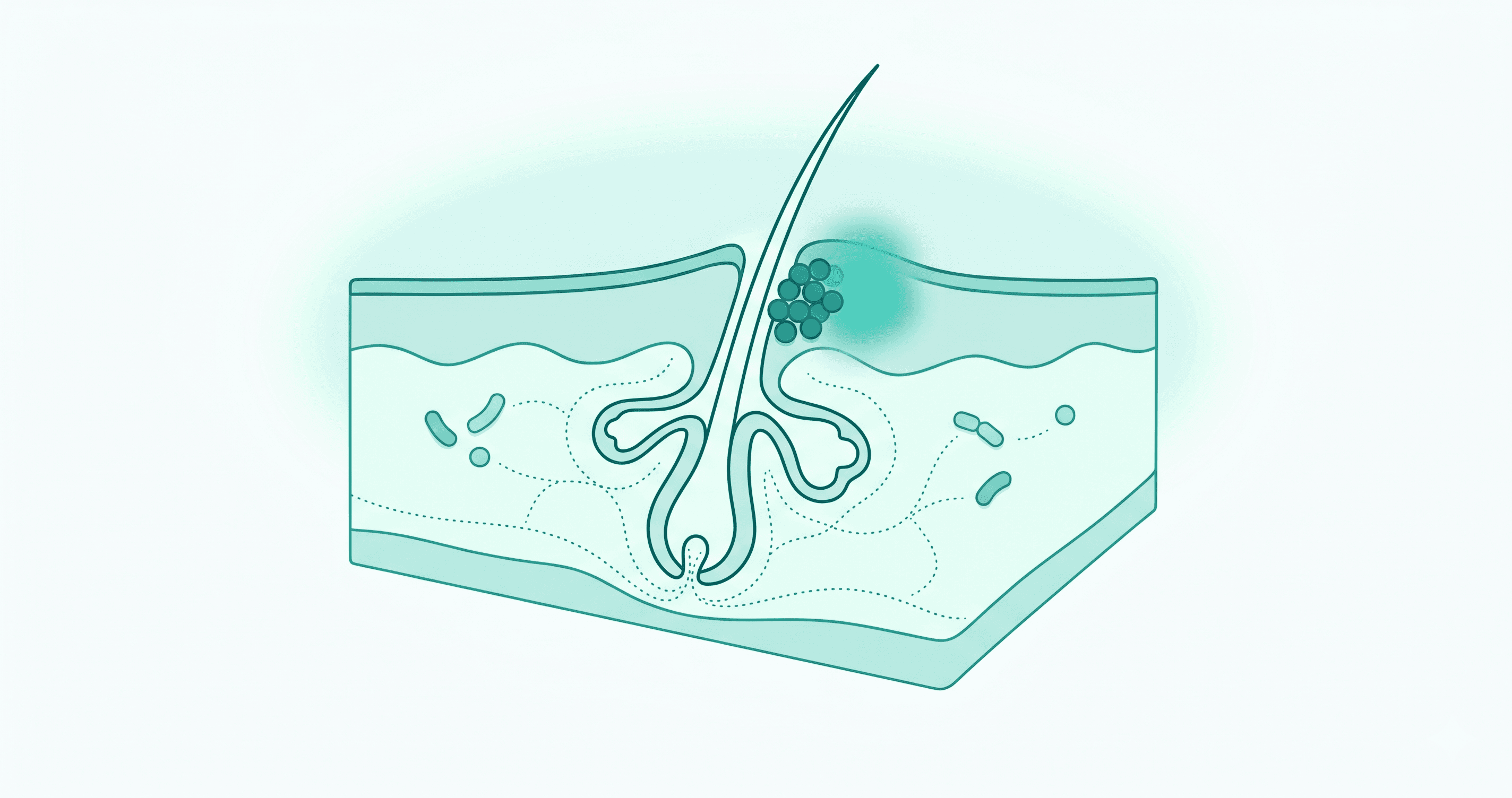
Acne and the Microbiome: What the Research Shows
Acne is far more than a teenage nuisance — it affects 85% of people at some point. Emerging research suggests the skin and gut microbiome play a bigger role than previously thought.
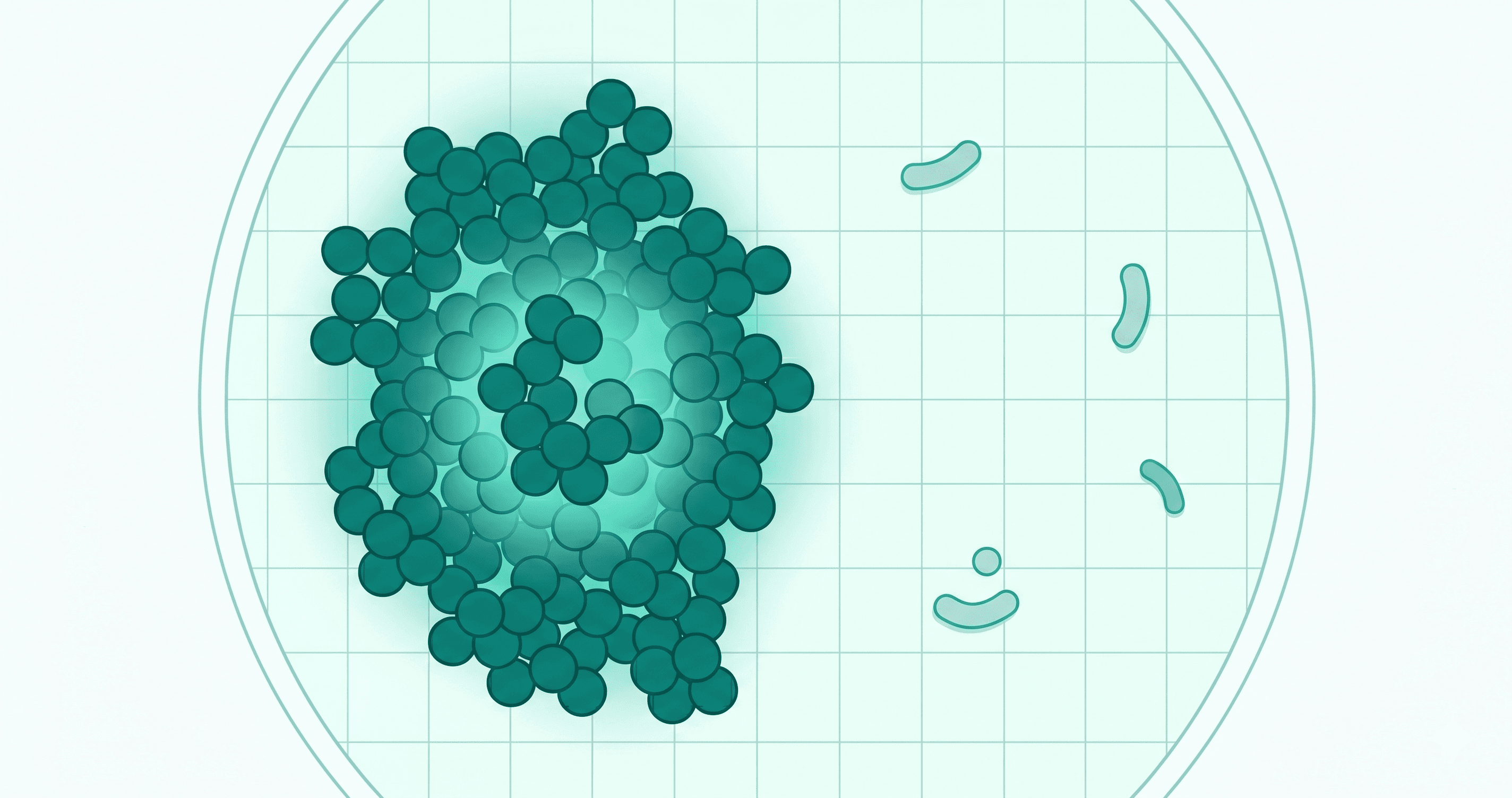
Eczema and the Skin Microbiome: The Staphylococcus Connection
Eczema flares are consistently linked to an overgrowth of Staphylococcus aureus and a collapse in skin microbial diversity. Here is what the research shows and what treatments are on the horizon.
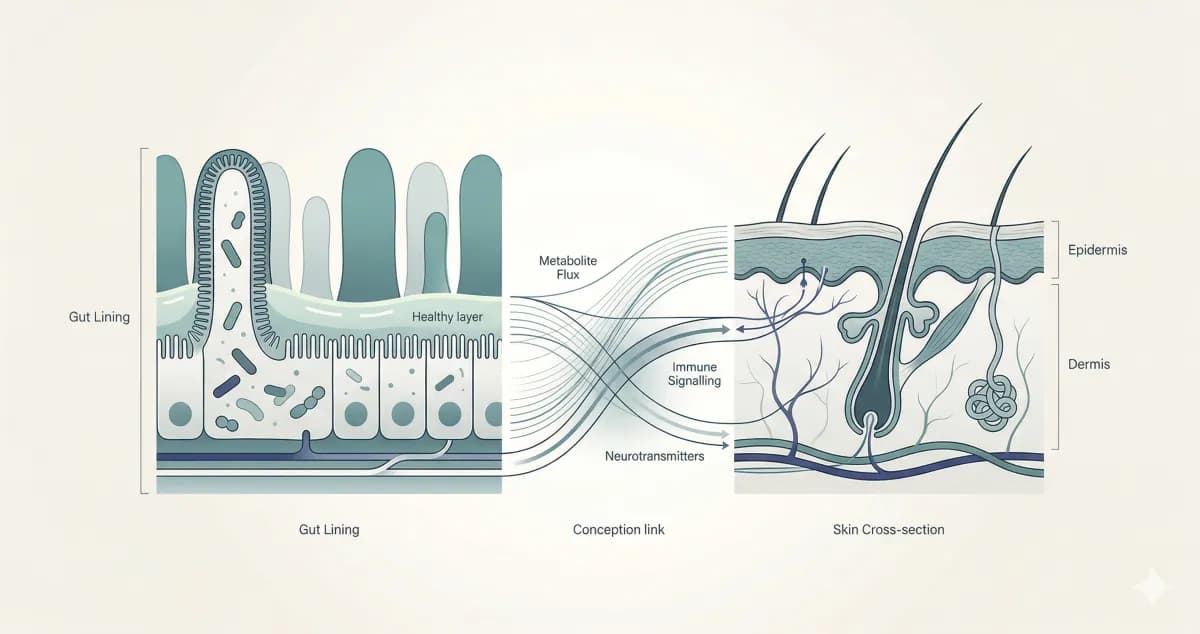
The Gut-Skin Axis: How Your Microbiome Affects Your Skin
Acne, eczema, rosacea, and psoriasis have all been linked to gut health. The emerging science of the gut-skin axis suggests that what happens in your digestive tract can show up on your face.
Explore Other Topics
Related articles from across mbiome
What Is the Human Microbiome? A Complete Introduction
Your body hosts roughly 39 trillion microorganisms — more than the number of human cells you have. Here's what they do, why they matter, and how they shape your health.
Diet & NutritionUltra-Processed Food and Gut Health: What the Science Says
The UK gets 57% of its calories from ultra-processed food — more than almost any other country. A growing body of research links this dietary pattern to gut microbiome disruption, reduced diversity, and impaired gut barrier function.
Gut-Brain AxisMicrobiome and Mental Health: Separating Science from Hype
Headlines claim gut bacteria can cure depression and anxiety. The reality is more nuanced — but the science connecting the microbiome to mental health is genuine, growing, and worth understanding properly.
Key Terms
Glossary terms mentioned in this article
Staphylococcus epidermidis
One of the most abundant commensal bacteria on human skin. S. epidermidis produces antimicrobial peptides that inhibit pathogenic bacteria including S. aureus, communicates with the immune system, and helps maintain the skin's acidic pH. Often called the "good staph."
Colonisation Resistance
The ability of the resident microbiome to prevent colonisation by pathogenic organisms. A diverse, healthy microbiome provides strong colonisation resistance through competition for nutrients and space, and production of antimicrobial compounds.
Staphylococcus aureus
A common bacterium that colonises the skin and nasal passages. While often harmless, S. aureus is an opportunistic pathogen implicated in wound infections, food poisoning, and skin conditions. In eczema, S. aureus overgrowth during flares is a consistent finding, driving inflammation through superantigen production.
Microbiome Diversity
The variety and abundance of different microbial species in a given environment. Greater diversity is consistently associated with better health outcomes, while reduced diversity is linked to obesity, inflammatory bowel disease, and other chronic conditions.
Cutibacterium acnes
The dominant bacterium on the human face (formerly classified as Propionibacterium acnes). It metabolises sebum and helps maintain the skin's acid mantle. Certain strains are associated with acne vulgaris, while others are found on healthy skin — the issue is strain imbalance rather than the species itself.
Proteobacteria
A bacterial phylum that includes many well-known pathogens (E. coli, Salmonella, Helicobacter). In a healthy gut, Proteobacteria are a minor component, but their expansion is considered a potential marker of dysbiosis and microbial instability. Elevated Proteobacteria levels are observed in inflammatory bowel disease and other conditions.
Microbiome
The complete collection of microorganisms (bacteria, viruses, fungi, archaea) and their genetic material within a specific environment, such as the human gut.
Probiotic
Live microorganisms which, when administered in adequate amounts, confer a health benefit on the host. Benefits are strain-specific, not species-wide.