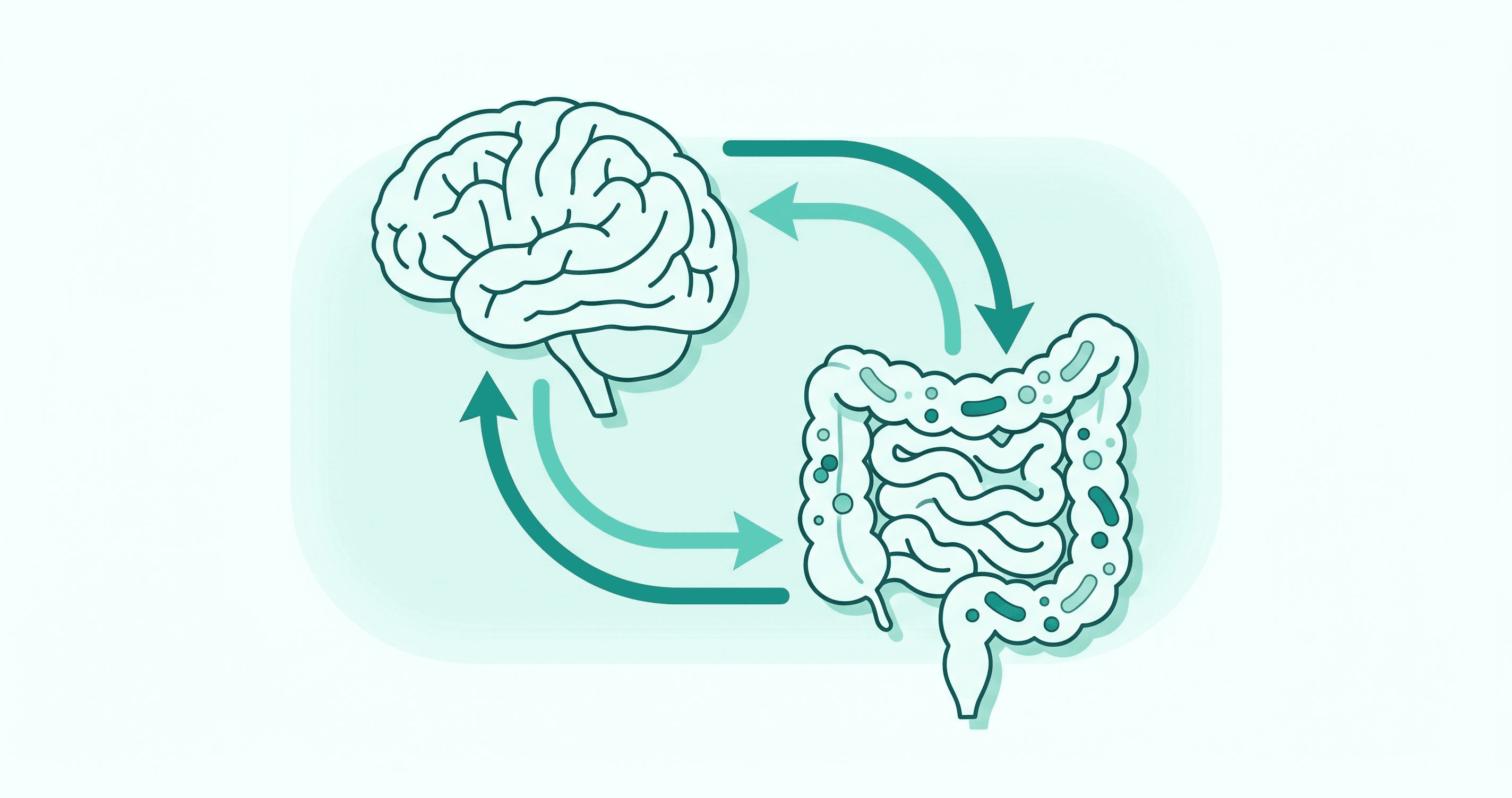
Everyone has experienced the gut-wrenching feeling of acute stress — the butterflies before a presentation, the nausea during a crisis, the urgent need for the toilet before an exam. These are not metaphorical. They reflect a direct, physical communication between your brain and your gut, mediated by a system that research is revealing to be far more complex than previously understood.
The HPA Axis and the Gut
When you experience stress, your body activates the hypothalamic-pituitary-adrenal (HPA axis). This cascade releases cortisol and other stress hormones that prepare the body for "fight or flight." The effects on the gut are significant:
Altered gut motility — Cortisol can both speed up and slow down intestinal contractions. This explains why some people experience diarrhoea under stress while others become constipated. The pattern depends on the individual and whether the stress is acute or chronic.
Reduced blood flow to the gut — During acute stress, blood is redirected to muscles and the brain. The gut receives less oxygen and nutrients, which can impair digestion, reduce mucus production, and weaken the intestinal barrier.
Increased intestinal permeability — Multiple studies have shown that chronic stress increases the permeability of the intestinal lining. A study by Vanuytsel et al. (2014, Gut) demonstrated that even acute psychological stress (public speaking) increased intestinal permeability in healthy volunteers. This allows bacterial fragments like lipopolysaccharide (LPS) to enter the bloodstream, triggering systemic inflammation.
Altered mucus production — The mucus layer that protects the intestinal lining and provides a habitat for beneficial bacteria is reduced under chronic stress, leaving the epithelium more vulnerable to damage and pathogenic colonisation.
How Stress Changes the Microbiome
Chronic stress does not merely affect gut function — it reshapes the microbial community itself. Research in both animal models and humans has demonstrated measurable microbiome changes under sustained stress:
A study by Karl et al. (2017, Journal of Applied Physiology) followed military recruits during an intense training course and found significant reductions in Lactobacillus species and increased intestinal permeability during the high-stress period.
Galley et al. (2014, Brain, Behavior, and Immunity) examined university students during exam periods and found reduced microbial diversity and lower levels of beneficial bacteria compared to less stressful periods.
The proposed mechanisms include:
- Cortisol directly affecting bacterial gene expression and growth rates
- Changes in gut pH and bile acid composition under stress
- Altered gut motility changing the physical environment for bacteria
- Reduced immune surveillance in the gut allowing pathogenic species to expand
The Two-Way Street
What makes the stress-gut relationship particularly significant is that it operates in both directions. The gut microbiome does not merely respond to stress — it actively influences your stress response.
Microbial influence on the HPA axis — Germ-free mice (raised without any microbiome) show exaggerated HPA axis responses to stress. Colonising these mice with specific bacterial species normalises their stress response, demonstrating that the microbiome helps calibrate the stress system. A landmark study by Sudo et al. (2004, Journal of Physiology) was among the first to demonstrate this bidirectional relationship.
The vagus nerve pathway — The vagus nerve carries signals from the gut to the brain, and the microbiome influences this signalling. Certain bacterial species, particularly Lactobacillus rhamnosus, have been shown to alter GABA receptor expression in the brain via the vagus nerve. When the vagus nerve is severed in animal models, these microbial effects on brain chemistry disappear.
Neurotransmitter production — Gut bacteria produce or influence the production of neurotransmitters including serotonin (95% of which is produced in the gut by enterochromaffin cells), GABA, dopamine, and noradrenaline. These molecules influence mood, anxiety, and stress resilience. See our article on the gut-brain connection for a deeper exploration.
IBS and Stress
Irritable bowel syndrome provides perhaps the clearest clinical example of the stress-gut connection. Between 50% and 90% of IBS patients have a co-existing psychological condition (anxiety, depression, or both), and stress is the most commonly reported trigger for IBS flares.
Research suggests that IBS involves a sensitisation of the gut-brain axis — the communication between the gut and brain becomes amplified, so that normal gut sensations are perceived as painful or distressing. Chronic stress may contribute to this sensitisation, creating a self-reinforcing cycle: stress worsens gut symptoms, gut symptoms increase stress.
This is why psychological therapies — cognitive behavioural therapy (CBT), gut-directed hypnotherapy, and mindfulness-based stress reduction — have shown significant efficacy for IBS in clinical trials. NICE guidelines now recommend psychological therapies for IBS that does not respond to first-line treatments. For more on managing IBS, see our guide to probiotics for IBS.
Practical Stress Management for Gut Health
Based on the current evidence, the following strategies may help reduce the impact of stress on the gut:
Vagal tone exercises — Deep, slow breathing (particularly exhaling for longer than inhaling) activates the vagus nerve and promotes the parasympathetic "rest and digest" state. Box breathing (4 seconds in, 4 hold, 4 out, 4 hold) is a simple and evidence-supported technique.
Regular physical activity — Moderate exercise has been shown to increase microbial diversity and reduce cortisol levels. A study by Allen et al. (2018, Medicine & Science in Sports & Exercise) found that six weeks of aerobic exercise increased butyrate-producing bacteria in previously sedentary adults.
Mindfulness and meditation — A systematic review by Househam et al. (2017, Frontiers in Immunology) found that mindfulness meditation reduced inflammatory biomarkers associated with chronic stress. While the direct effects on the microbiome are still being studied, reducing systemic inflammation likely supports microbial health.
Sleep hygiene — Poor sleep amplifies the stress response and independently disrupts the microbiome. The relationship between sleep and gut health is bidirectional, much like the stress-gut connection itself.
Dietary support — During periods of high stress, maintaining fibre intake, consuming fermented foods, and avoiding excessive alcohol and caffeine can help protect the gut microbiome from stress-induced changes.
Professional support — For chronic stress that is affecting your health, consider speaking with your GP. Psychological therapies such as CBT have robust evidence for both stress management and gut symptom improvement.
Key Takeaways
- Stress physically alters the gut through the HPA axis, vagus nerve, and immune pathways
- Chronic stress can increase intestinal permeability, reduce microbial diversity, and deplete beneficial bacteria
- The relationship is bidirectional — your gut microbiome also influences your stress response and resilience
- IBS is the clearest example of stress-gut axis dysfunction, and psychological therapies are effective treatments
- Practical strategies including deep breathing, exercise, sleep hygiene, and dietary support can help protect your gut during stressful periods
Medical disclaimer: This article is for educational purposes only and does not constitute medical advice. Always consult a qualified healthcare professional before making changes to your diet, starting supplements, or making decisions about your health.
Related Articles
Gut Bacteria and Anxiety: What Does the Evidence Say?
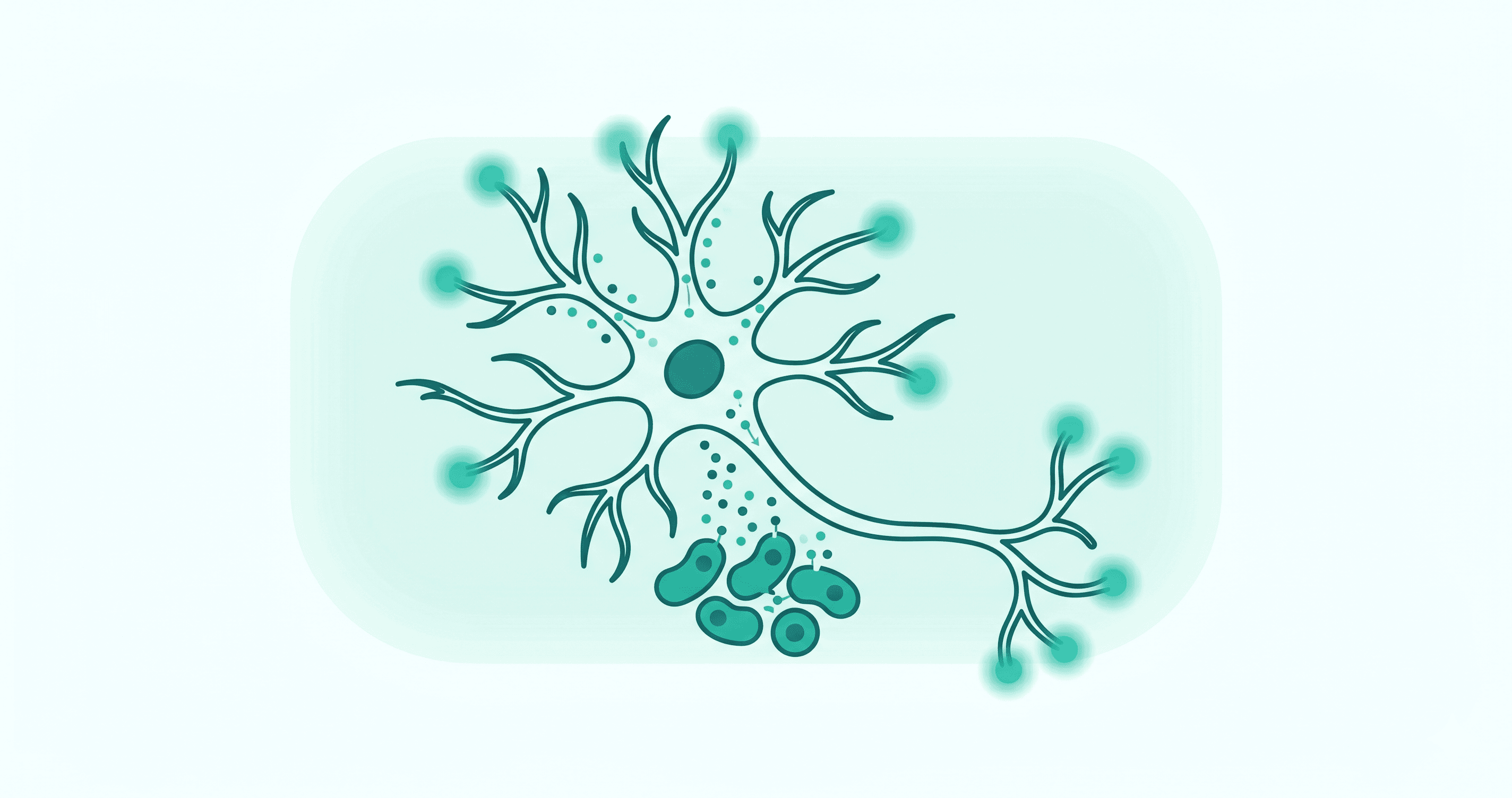
Headlines claim probiotics can treat anxiety. The reality is more nuanced — animal studies are compelling, but human evidence is still catching up. Here is a balanced look at the psychobiotics field.
Sleep and the Microbiome: A Two-Way Relationship
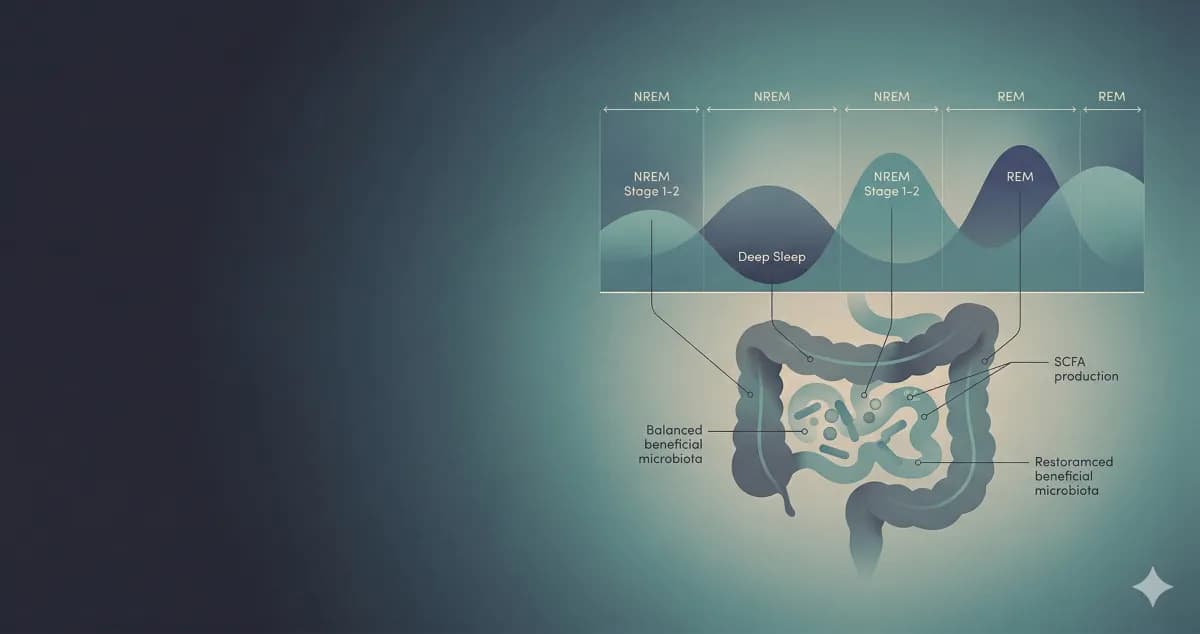
Poor sleep disrupts your gut bacteria, and an imbalanced microbiome disrupts your sleep. Here's what the research reveals about this bidirectional connection.
Microbiome and Mental Health: Separating Science from Hype
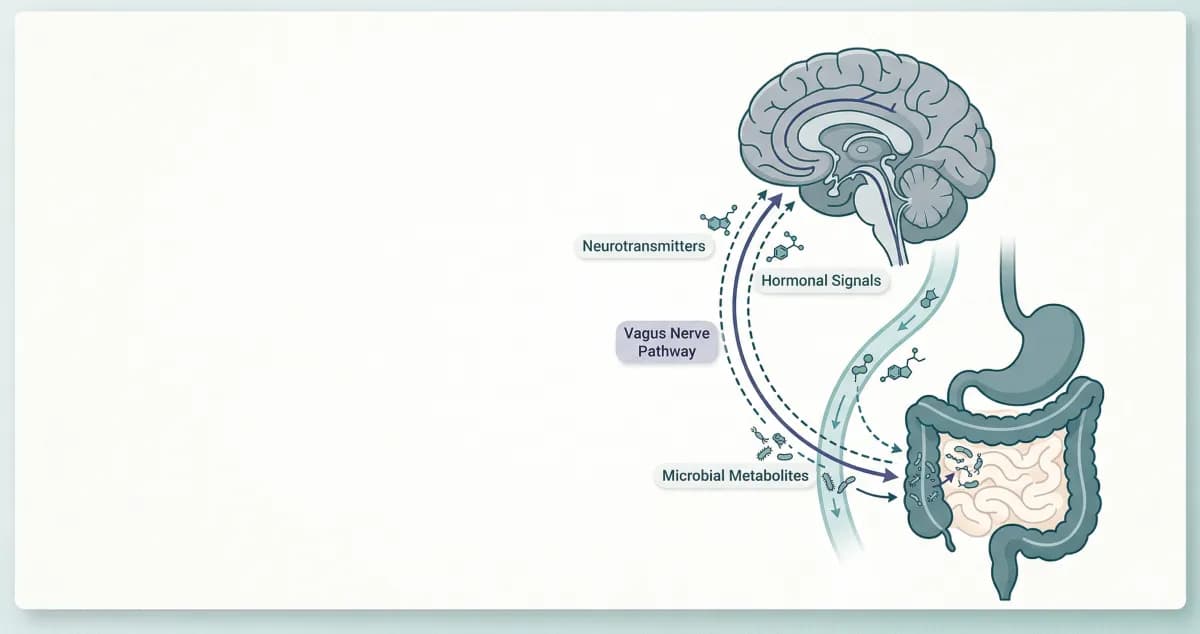
Headlines claim gut bacteria can cure depression and anxiety. The reality is more nuanced — but the science connecting the microbiome to mental health is genuine, growing, and worth understanding properly.
Explore Other Topics
Related articles from across mbiome
Ultra-Processed Food and Gut Health: What the Science Says
The UK gets 57% of its calories from ultra-processed food — more than almost any other country. A growing body of research links this dietary pattern to gut microbiome disruption, reduced diversity, and impaired gut barrier function.
Gut HealthThe Microbiome and Weight: What Science Really Says About Gut Bacteria and Body Weight
Research increasingly links the gut microbiome to weight regulation, but the relationship is complex. We examine the evidence — from landmark mouse studies to human trials — and separate proven mechanisms from premature claims.
Gut HealthHow Travel Affects Your Microbiome — From Jet Lag to Traveller's Diarrhoea
Travel disrupts your microbiome through time zone changes, unfamiliar diets, contaminated water, and stress. Here's what the research says and how to protect your gut on the road.
Key Terms
Glossary terms mentioned in this article
IBS (Irritable Bowel Syndrome)
A chronic functional gastrointestinal disorder characterised by abdominal pain, bloating, and altered bowel habits without identifiable structural cause. The microbiome is increasingly recognised as a contributing factor, with IBS patients typically showing reduced microbial diversity and altered bacterial composition compared to healthy controls.
GABA (Gamma-Aminobutyric Acid)
The brain's primary inhibitory neurotransmitter, responsible for reducing neuronal excitability. Several gut bacteria, including Lactobacillus and Bifidobacterium species, produce GABA. Research suggests that microbially produced GABA may influence brain function via the vagus nerve, with implications for anxiety and stress.
Lipopolysaccharide (LPS)
A component of the outer membrane of gram-negative bacteria. When LPS enters the bloodstream through a compromised intestinal barrier, it triggers inflammation — a key mechanism linking gut health to systemic disease.
Intestinal Permeability
The property of the intestinal lining that controls what passes from the gut into the bloodstream. Increased permeability (sometimes called "leaky gut") allows harmful substances to enter circulation, triggering immune responses.
Lactobacillus rhamnosus
One of the most extensively studied probiotic species. The strain L. rhamnosus GG has strong evidence for preventing antibiotic-associated diarrhoea and acute gastroenteritis in children. The strain L. rhamnosus JB-1 has shown anxiolytic effects in animal models via the vagus nerve, though human trials have been less conclusive.
Enterochromaffin Cells
Specialised cells in the gut lining that produce approximately 95% of the body's serotonin. Their activity is directly influenced by the gut microbiome, making them a key link in the gut-brain axis.
Gut-Brain Axis
The bidirectional communication system between the gastrointestinal tract and the central nervous system, involving neural, hormonal, and immune pathways. The microbiome plays a central role in this communication.
Lactobacillus
A genus of lactic acid-producing bacteria found naturally in the gut, mouth, and vaginal tract. Certain strains (L. rhamnosus GG, L. plantarum 299v) have strong clinical evidence for specific health benefits. Now reclassified into multiple genera including Lacticaseibacillus and Limosilactobacillus.