Gut-Brain Axis
The bidirectional communication between your gut and brain. How your microbiome influences mood, anxiety, cognition, and mental health.

Articles in Gut-Brain Axis
These articles are grouped to help readers move from overview to specifics without losing the evidence context.
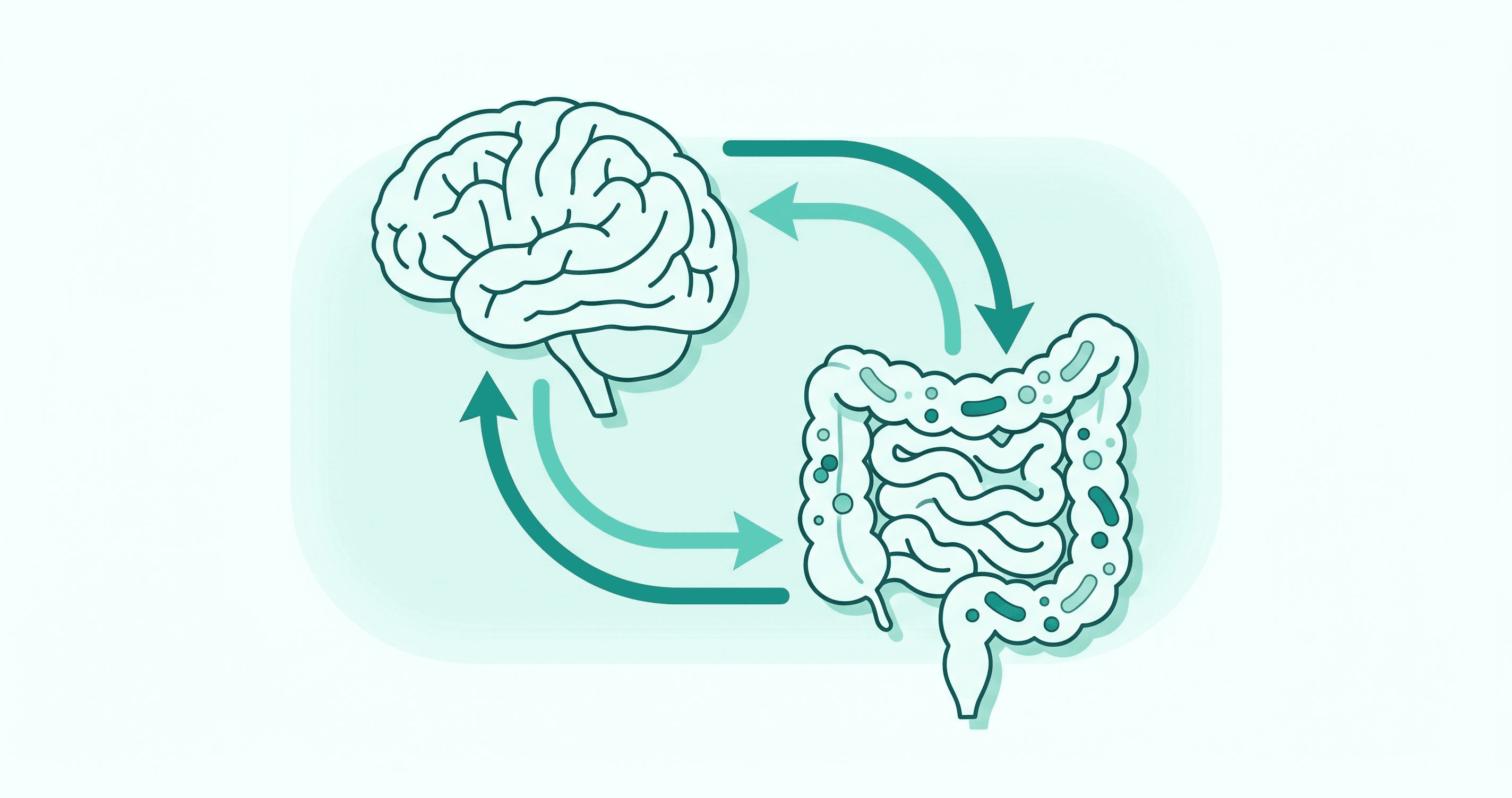
How Stress Affects Your Gut: The Two-Way Street
Stress does not just feel bad — it physically alters your gut microbiome. The HPA axis, vagus nerve, and intestinal barrier are all involved in a bidirectional stress-gut loop that research is only beginning to untangle.
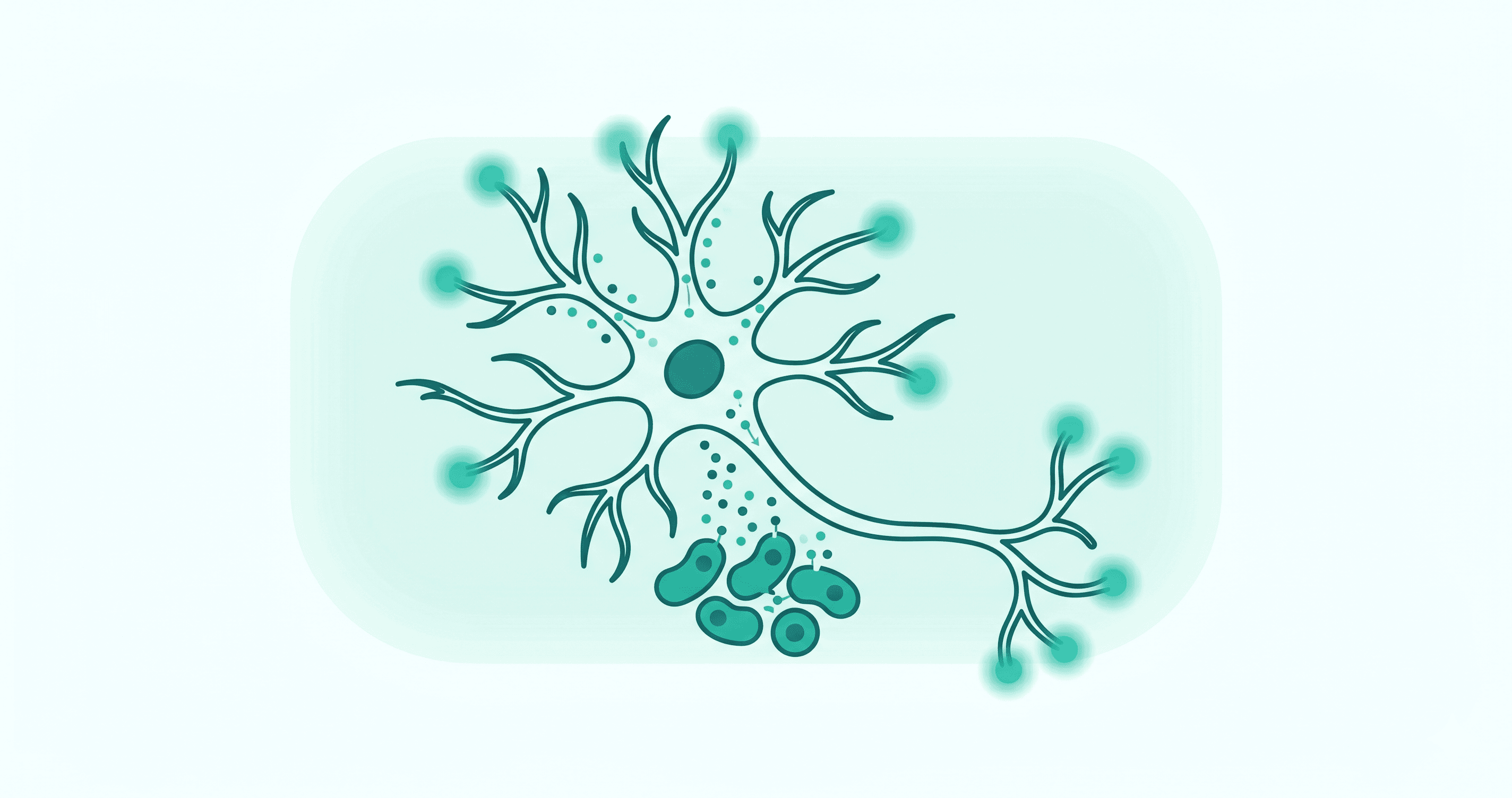
Gut Bacteria and Anxiety: What Does the Evidence Say?
Headlines claim probiotics can treat anxiety. The reality is more nuanced — animal studies are compelling, but human evidence is still catching up. Here is a balanced look at the psychobiotics field.
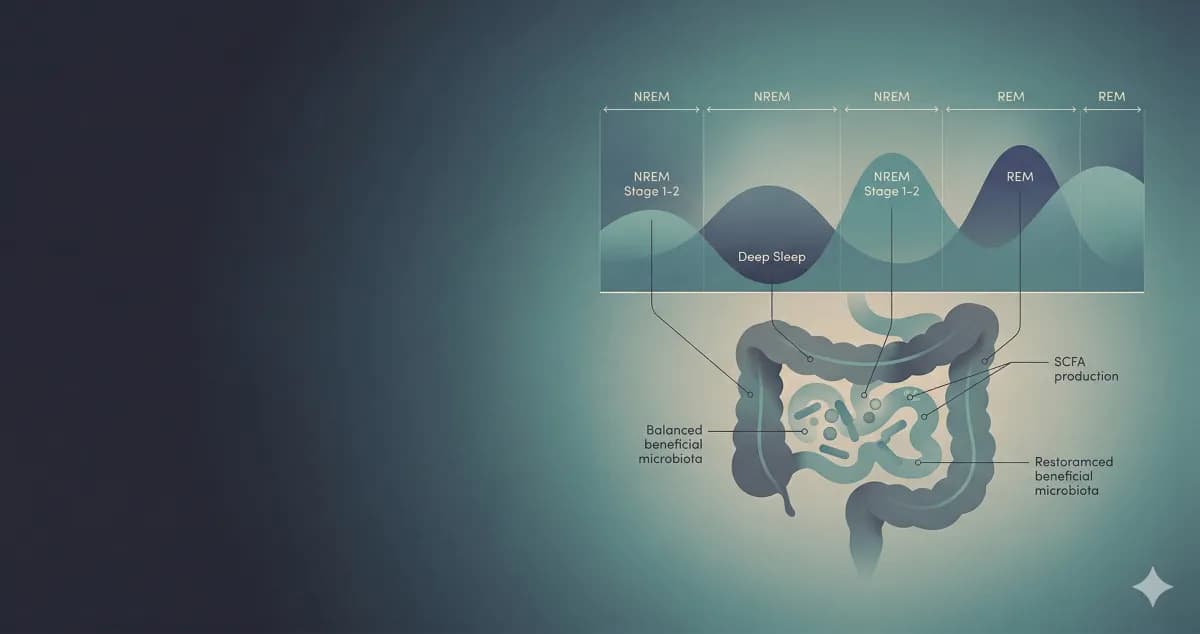
Sleep and the Microbiome: A Two-Way Relationship
Poor sleep disrupts your gut bacteria, and an imbalanced microbiome disrupts your sleep. Here's what the research reveals about this bidirectional connection.
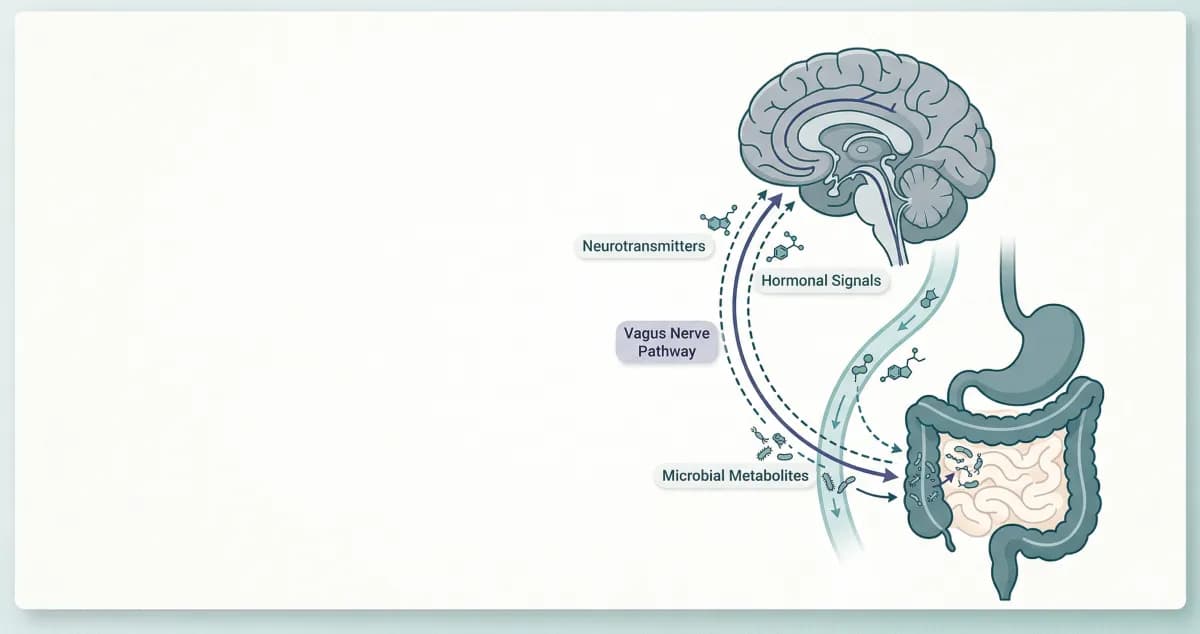
Microbiome and Mental Health: Separating Science from Hype
Headlines claim gut bacteria can cure depression and anxiety. The reality is more nuanced — but the science connecting the microbiome to mental health is genuine, growing, and worth understanding properly.
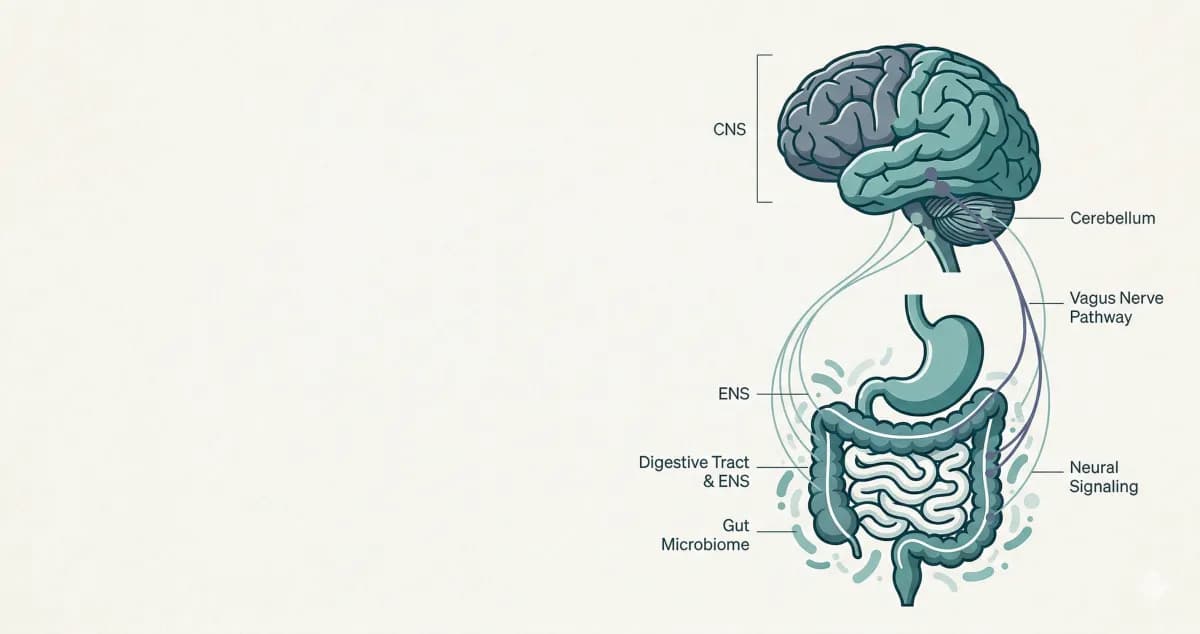
The Gut-Brain Connection: How Your Microbiome Affects Your Mind
Scientists call it the "second brain." Your gut produces neurotransmitters, communicates directly with your brain via the vagus nerve, and may influence everything from anxiety to cognitive function.
Key Terms: Gut-Brain Axis
Glossary terms commonly referenced in gut-brain axis articles
Microbiome
The complete collection of microorganisms (bacteria, viruses, fungi, archaea) and their genetic material within a specific environment, such as the human gut.
Probiotic
Live microorganisms which, when administered in adequate amounts, confer a health benefit on the host. Benefits are strain-specific, not species-wide.
Gut-Brain Axis
The bidirectional communication system between the gastrointestinal tract and the central nervous system, involving neural, hormonal, and immune pathways. The microbiome plays a central role in this communication.
Vagus Nerve
The longest cranial nerve, connecting the brainstem to the abdomen. It is the primary communication channel of the gut-brain axis, with approximately 80% of its fibres carrying signals from the gut to the brain.
Intestinal Permeability
The property of the intestinal lining that controls what passes from the gut into the bloodstream. Increased permeability (sometimes called "leaky gut") allows harmful substances to enter circulation, triggering immune responses.
Bifidobacterium
A genus of beneficial bacteria that dominates the infant gut and remains important throughout life. Various species (B. longum, B. infantis, B. breve) are among the most studied probiotics, with evidence for IBS, immunity, and infant health.
Lactobacillus
A genus of lactic acid-producing bacteria found naturally in the gut, mouth, and vaginal tract. Certain strains (L. rhamnosus GG, L. plantarum 299v) have strong clinical evidence for specific health benefits. Now reclassified into multiple genera including Lacticaseibacillus and Limosilactobacillus.
Enterochromaffin Cells
Specialised cells in the gut lining that produce approximately 95% of the body's serotonin. Their activity is directly influenced by the gut microbiome, making them a key link in the gut-brain axis.
Serotonin
A neurotransmitter commonly associated with mood regulation, of which approximately 95% is produced in the gut by enterochromaffin cells. Gut-derived serotonin influences intestinal motility, secretion, and pain perception. The microbiome modulates serotonin production, forming a key link in the gut-brain axis.
GABA (Gamma-Aminobutyric Acid)
The brain's primary inhibitory neurotransmitter, responsible for reducing neuronal excitability. Several gut bacteria, including Lactobacillus and Bifidobacterium species, produce GABA. Research suggests that microbially produced GABA may influence brain function via the vagus nerve, with implications for anxiety and stress.
Cortisol
The primary stress hormone produced by the adrenal glands in response to HPA axis activation. Chronic cortisol elevation can increase intestinal permeability, alter gut motility, reduce mucus production, and shift the composition of the gut microbiome toward less diverse states.
Prebiotic
Non-digestible food components (typically dietary fibres) that selectively stimulate the growth or activity of beneficial gut bacteria. Common examples include inulin, FOS, and GOS.