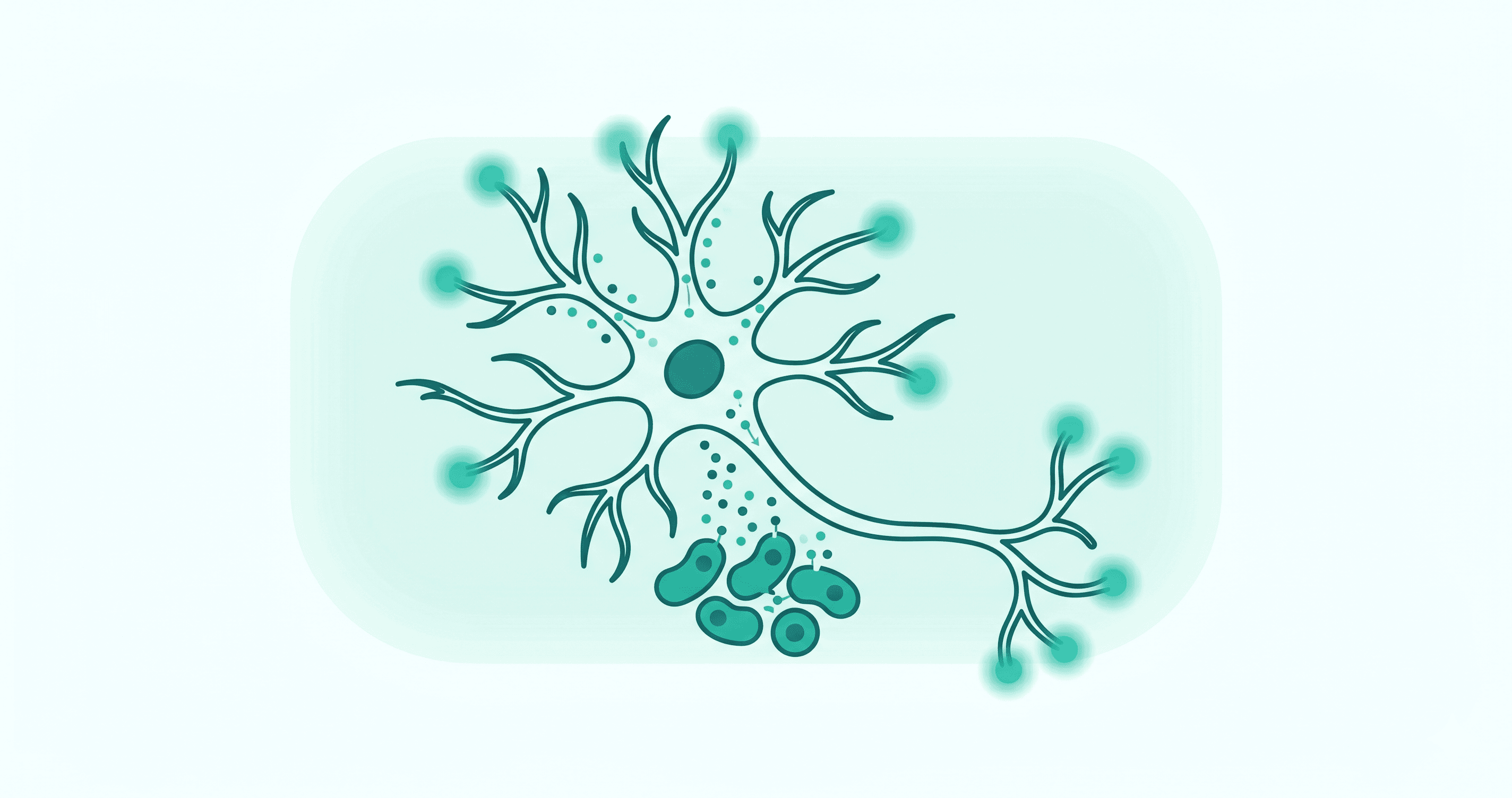
The idea that gut bacteria could influence anxiety is one of the most captivating — and most overhyped — frontiers in microbiome research. Headlines regularly claim that probiotics can treat anxiety disorders, but the reality is considerably more nuanced. Here is what the evidence actually shows.
The Theoretical Basis
The scientific rationale for a gut-anxiety connection is sound. The gut-brain axis provides multiple pathways through which gut bacteria could influence anxiety:
Neurotransmitter production — Gut bacteria produce or regulate neurotransmitters central to anxiety, including serotonin (approximately 95% produced in the gut by enterochromaffin cells), GABA (the brain's primary inhibitory neurotransmitter), and dopamine. Theoretically, shifts in microbial composition could alter the availability of these molecules.
Vagus nerve signalling — The vagus nerve carries signals from the gut to the brain. Certain bacterial species have been shown to alter brain chemistry via this pathway in animal studies.
Inflammatory pathways — Chronic low-grade inflammation, driven by gut dysbiosis and increased intestinal permeability, can affect brain function. Neuroinflammation is increasingly recognised as a component of anxiety and depression.
HPA axis modulation — The gut microbiome influences the stress hormone cascade, and dysregulation of the HPA axis is a hallmark of anxiety disorders.
Animal Studies: Compelling but Incomplete
The animal evidence for a microbiome-anxiety link is strong. Several landmark studies have shaped the field:
Germ-free mice — Mice raised without any microbiome show markedly different anxiety behaviours compared to conventionally raised mice. Sudo et al. (2004) demonstrated exaggerated stress responses in germ-free mice that could be normalised by colonisation with Bifidobacterium infantis.
Lactobacillus rhamnosus JB-1 — In a widely cited study by Bravo et al. (2011, Proceedings of the National Academy of Sciences), mice fed L. rhamnosus JB-1 showed reduced anxiety-like behaviour, lower cortisol levels, and altered GABA receptor expression in the brain. Crucially, these effects disappeared when the vagus nerve was severed, confirming the communication pathway.
Bifidobacterium longum 1714 — Savignac et al. (2014, Neurogastroenterology & Motility) found that B. longum 1714 reduced anxiety-like and depression-like behaviours in mice, with effects comparable to some anxiolytic drugs.
Microbiome transplants — Transferring the microbiome from anxious mice into germ-free mice transferred the anxious phenotype, and vice versa (Bercik et al., 2011, Gastroenterology). This is perhaps the most compelling evidence that gut bacteria can directly influence anxiety behaviour.
Human Studies: The Gap
The translation from mice to humans has been far less convincing. Several important studies:
B. longum 1714 in humans — Allen et al. (2016, Translational Psychiatry) conducted a randomised, placebo-controlled trial in healthy volunteers and found that B. longum 1714 modestly reduced cortisol output and self-reported stress. However, the effect sizes were small and the study was in healthy people, not those with clinical anxiety.
L. rhamnosus JB-1 in humans — Despite the dramatic mouse results, a human trial by Kelly et al. (2017, Brain, Behavior, and Immunity) found that L. rhamnosus JB-1 had no significant effect on stress, anxiety, or cognitive performance in healthy males. This was a major reality check for the field.
Multi-strain approaches — A meta-analysis by Liu et al. (2019, Journal of Neurology, Neurosurgery & Psychiatry) reviewed 34 controlled trials of probiotics for anxiety and depression. The overall effect was statistically significant but modest, with greater benefits observed for anxiety than depression. Importantly, the studies varied enormously in strains used, dosages, durations, and populations studied.
The ZOE PREDICT studies identified associations between gut microbiome composition and mental health measures, but these are observational — they cannot establish causation.
The <a href="/glossary#psychobiotic">Psychobiotic</a> Concept
The term "psychobiotic" was coined by Dinan et al. in 2013 to describe live organisms that, when ingested, produce mental health benefits. It has since been broadened to include prebiotics that influence the gut-brain axis.
The psychobiotic concept is scientifically legitimate — it describes a genuine area of research. However, no psychobiotic has yet met the evidentiary bar required for clinical recommendation as an anxiety treatment. The field sits in the space between "interesting biological plausibility" and "proven therapeutic intervention."
What Is and Is Not Proven
Supported by evidence: - The gut-brain axis is real and bidirectional - Gut bacteria produce and influence neurotransmitters relevant to anxiety - Animal models consistently show that microbiome manipulation affects anxiety-like behaviour - Some probiotic strains show modest effects on stress and anxiety measures in human trials - Gut dysbiosis and inflammation are associated with anxiety disorders in observational studies
Not yet proven: - That any specific probiotic strain can effectively treat clinical anxiety disorders - That commercial "mood" or "stress" probiotics deliver meaningful benefits - That microbiome testing can predict anxiety risk - That dietary interventions targeting the microbiome can replace established anxiety treatments
Practical Advice
For those interested in supporting their gut-brain axis while the science matures:
Focus on diet first — A diverse, high-fibre diet rich in fermented foods supports microbial diversity, which is broadly associated with better mental health outcomes. The Mediterranean diet has independent evidence for reducing anxiety risk.
Manage stress directly — As discussed in our article on the stress-gut connection, stress management strategies such as exercise, breathing techniques, and adequate sleep support both the gut and mental health simultaneously.
Be cautious with supplements — If you choose to try a probiotic for anxiety, look for specific strains with at least some human trial data (B. longum 1714, certain multi-strain preparations) rather than generic products marketed for "mood support." Manage expectations — the effects, if any, are likely to be subtle.
Do not replace proven treatments — If you have a diagnosed anxiety disorder, evidence-based treatments — CBT, medication, or both — remain the standard of care. Probiotics or dietary changes should complement, not replace, these interventions.
Talk to your GP — If anxiety is affecting your daily life, seek professional support. Mentioning your interest in the gut-brain axis may lead to useful conversations about holistic approaches, but do not delay treatment while waiting for the microbiome field to mature.
The Bottom Line
The gut-anxiety connection is real, biologically plausible, and supported by compelling animal research. But we are not yet at the point where clinicians can prescribe specific probiotics for anxiety with confidence. The field is moving quickly — clinical trials of psychobiotics for diagnosed anxiety disorders are underway — and the next five years may bring genuine breakthroughs. For now, the best approach is to support your gut health through diet and lifestyle while relying on proven treatments for clinical anxiety.
Medical disclaimer: This article is for educational purposes only and does not constitute medical advice. Always consult a qualified healthcare professional before making changes to your diet, starting supplements, or making decisions about your health.
Related Articles
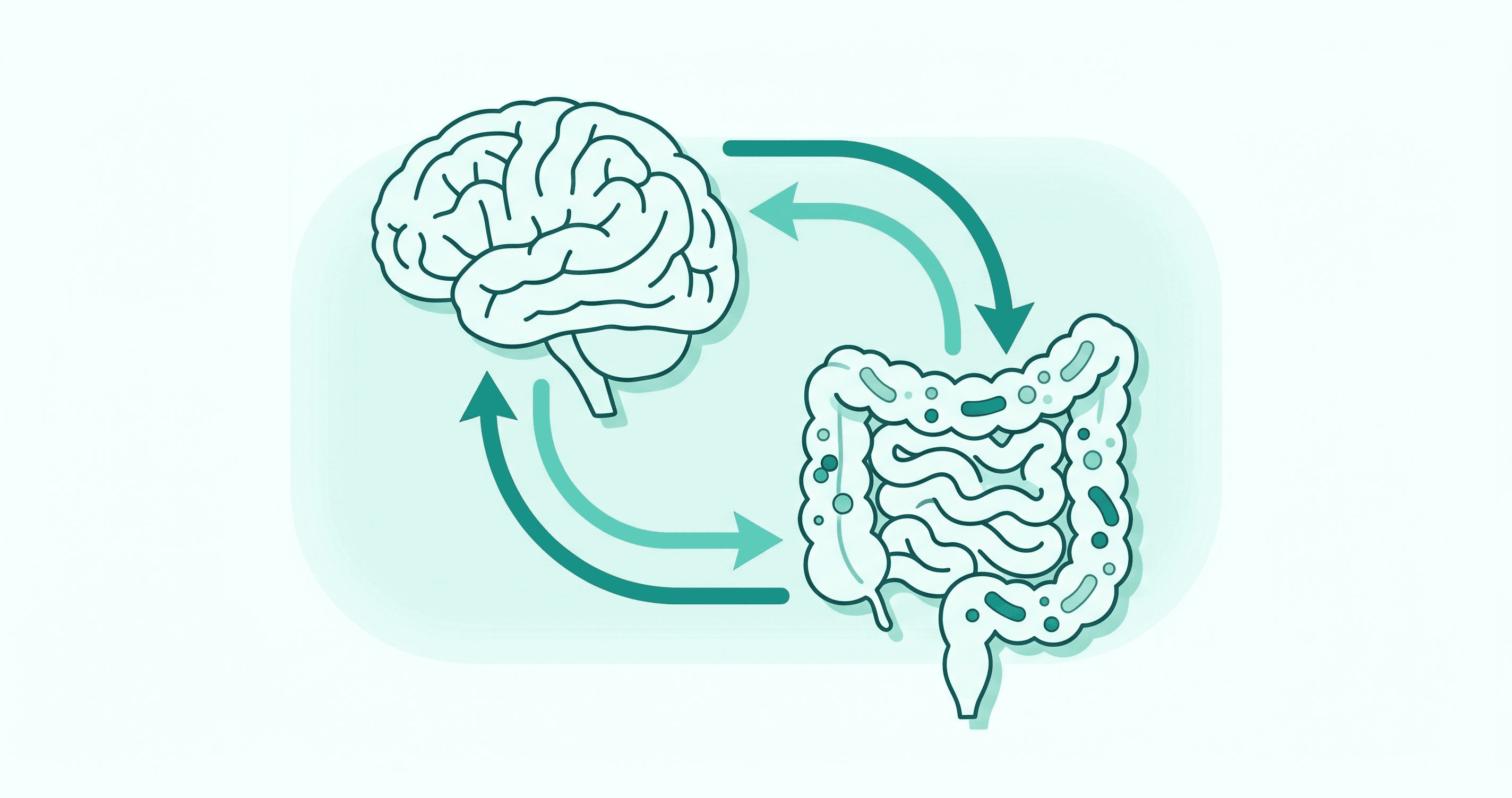
How Stress Affects Your Gut: The Two-Way Street
Stress does not just feel bad — it physically alters your gut microbiome. The HPA axis, vagus nerve, and intestinal barrier are all involved in a bidirectional stress-gut loop that research is only beginning to untangle.
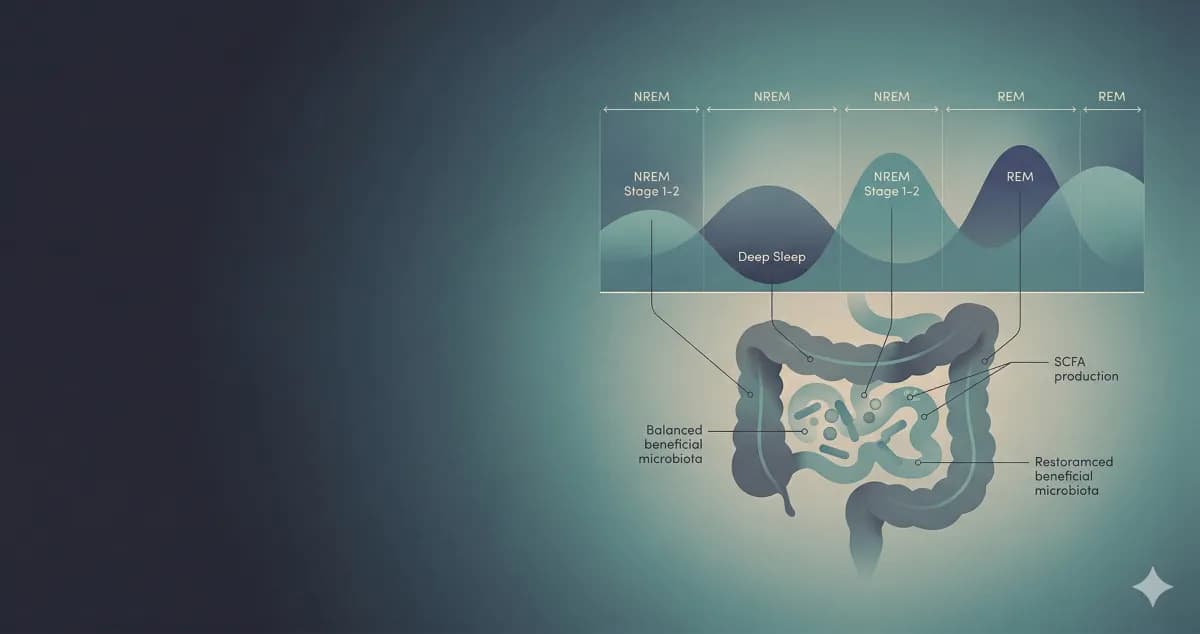
Sleep and the Microbiome: A Two-Way Relationship
Poor sleep disrupts your gut bacteria, and an imbalanced microbiome disrupts your sleep. Here's what the research reveals about this bidirectional connection.
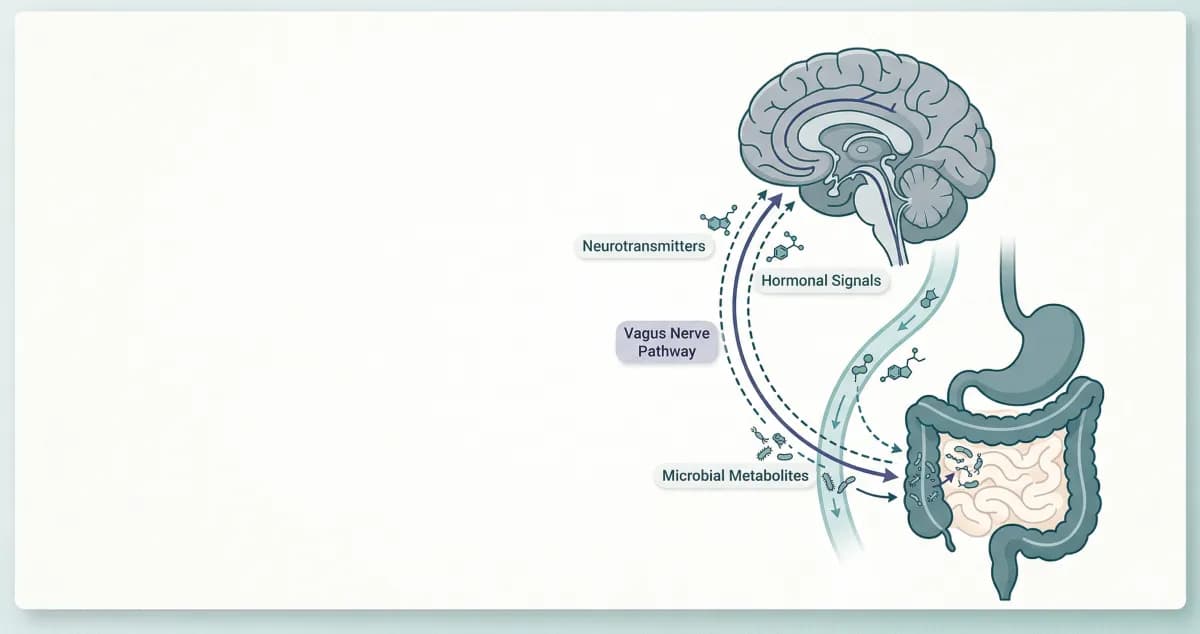
Microbiome and Mental Health: Separating Science from Hype
Headlines claim gut bacteria can cure depression and anxiety. The reality is more nuanced — but the science connecting the microbiome to mental health is genuine, growing, and worth understanding properly.
Explore Other Topics
Related articles from across mbiome
The Microbiome and Weight: What Science Really Says About Gut Bacteria and Body Weight
Research increasingly links the gut microbiome to weight regulation, but the relationship is complex. We examine the evidence — from landmark mouse studies to human trials — and separate proven mechanisms from premature claims.
Gut HealthAntibiotics and Your Microbiome: How to Recover
Antibiotics save lives, but they also devastate your gut microbiome. Here is what the research shows about recovery timelines, which probiotics actually help, and what you can do to rebuild after a course.
Probiotics & PrebioticsProbiotics: What the Evidence Actually Says
Probiotics are a billion-pound industry, but which strains have genuine clinical evidence behind them? We break down the research by condition and strain.
Key Terms
Glossary terms mentioned in this article
GABA (Gamma-Aminobutyric Acid)
The brain's primary inhibitory neurotransmitter, responsible for reducing neuronal excitability. Several gut bacteria, including Lactobacillus and Bifidobacterium species, produce GABA. Research suggests that microbially produced GABA may influence brain function via the vagus nerve, with implications for anxiety and stress.
Intestinal Permeability
The property of the intestinal lining that controls what passes from the gut into the bloodstream. Increased permeability (sometimes called "leaky gut") allows harmful substances to enter circulation, triggering immune responses.
Lactobacillus rhamnosus
One of the most extensively studied probiotic species. The strain L. rhamnosus GG has strong evidence for preventing antibiotic-associated diarrhoea and acute gastroenteritis in children. The strain L. rhamnosus JB-1 has shown anxiolytic effects in animal models via the vagus nerve, though human trials have been less conclusive.
Enterochromaffin Cells
Specialised cells in the gut lining that produce approximately 95% of the body's serotonin. Their activity is directly influenced by the gut microbiome, making them a key link in the gut-brain axis.
Bifidobacterium longum
A beneficial bacterial species naturally abundant in the human gut from infancy. The strain B. longum 1714 has been studied for its effects on stress and cognitive function, showing modest benefits in human trials. B. longum subsp. infantis is particularly important for infant gut health and breast milk digestion.
Mediterranean Diet
A dietary pattern emphasising vegetables, fruits, wholegrains, legumes, nuts, olive oil, and fish, with moderate dairy and limited red meat. It is the most studied dietary pattern in microbiome research, consistently linked to greater microbial diversity, higher SCFA production, and reduced inflammation.
Bifidobacterium
A genus of beneficial bacteria that dominates the infant gut and remains important throughout life. Various species (B. longum, B. infantis, B. breve) are among the most studied probiotics, with evidence for IBS, immunity, and infant health.
Gut-Brain Axis
The bidirectional communication system between the gastrointestinal tract and the central nervous system, involving neural, hormonal, and immune pathways. The microbiome plays a central role in this communication.