Probiotics & Prebiotics
The science behind beneficial bacteria supplements and the dietary fibres that feed them. What works, what doesn't, and what the research says.

Articles in Probiotics & Prebiotics
These articles are grouped to help readers move from overview to specifics without losing the evidence context.

Best Probiotics in the UK: An Evidence-Based Guide to What Actually Works
The UK probiotic market is crowded with options. We assess the most popular products — Symprove, Bio-Kult, Optibac, VSL#3, and others — against the clinical evidence for their specific strains.

Bio-Kult Review: An Evidence-Based Assessment
Bio-Kult is one of the UK's most popular multi-strain probiotics. We examine the clinical evidence behind its 14-strain formula, what conditions it may help with, and how it compares to alternatives.

How to Buy a Probiotic in the UK: A Practical, Evidence-Based Guide
Walking into a pharmacy and choosing a probiotic is bewildering. Dozens of products, hundreds of claims, no medical guidance on the shelf. Here is a practical framework for making an informed decision.

Probiotic Strain Guide: Which Strains Do What — and What the Evidence Shows
Not all probiotics are equal. Benefits are strain-specific, meaning the exact bacterial strain determines what conditions it may help with. This guide covers the most researched probiotic strains and their evidence.
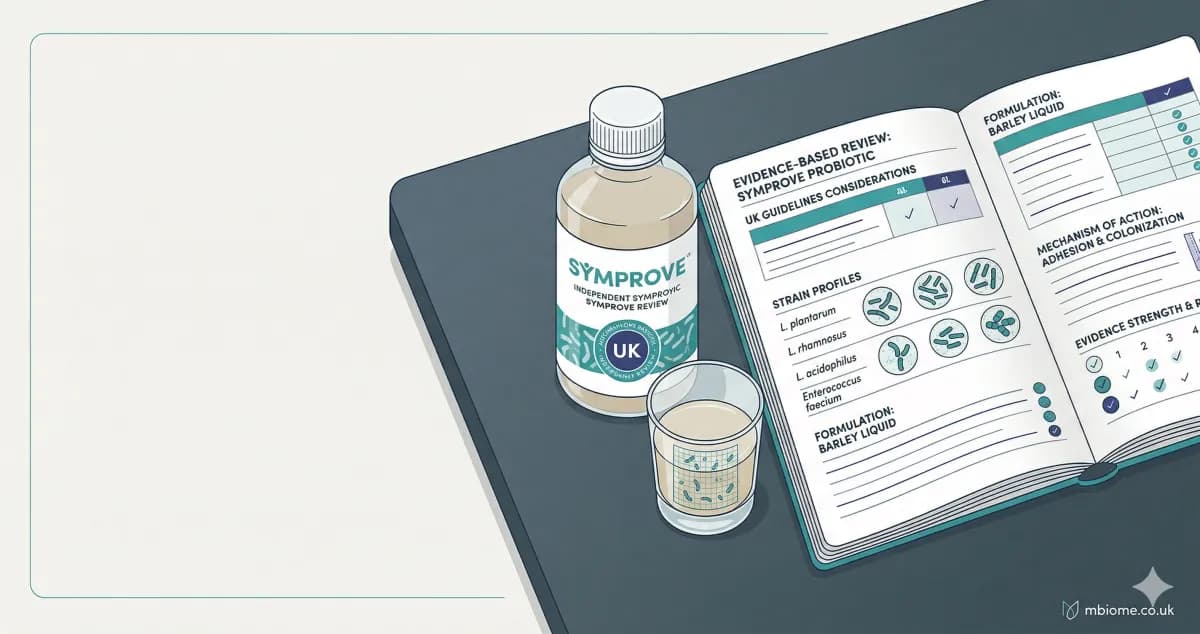
Symprove Review — Evidence-Based Assessment
Symprove is one of the UK's most popular liquid probiotics, but does it live up to the marketing? We examine the clinical evidence, formulation, and value for money.
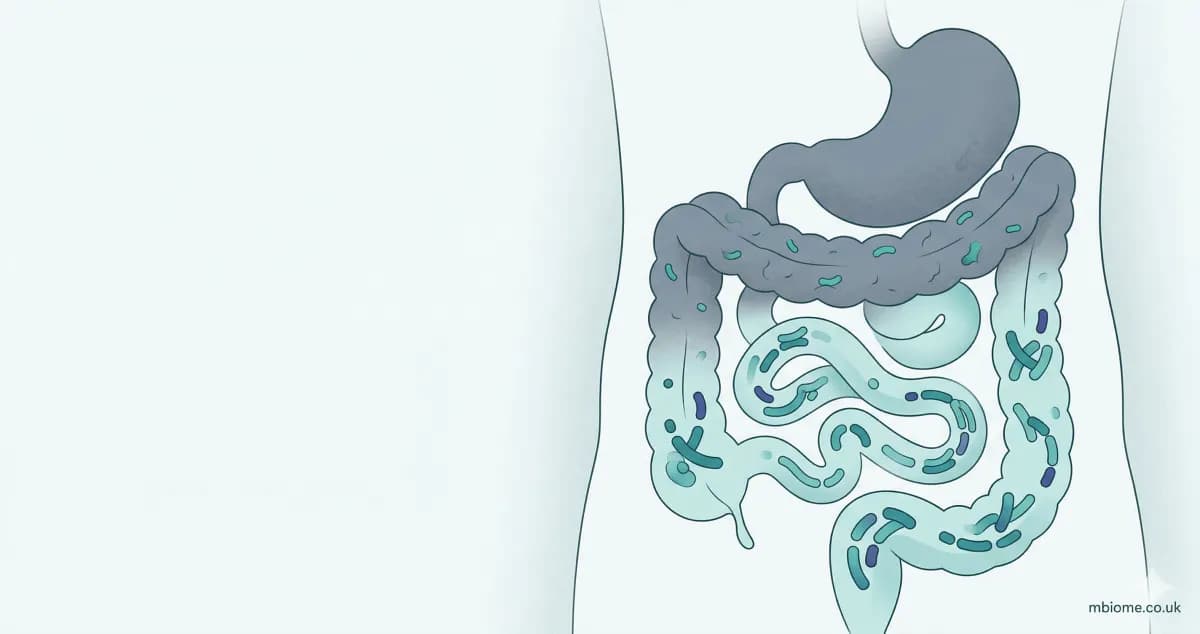
Best Probiotics for Bloating — What the Evidence Actually Shows
Bloating is one of the most common digestive complaints. We review the clinical evidence for specific probiotic strains that have been tested for bloating relief.
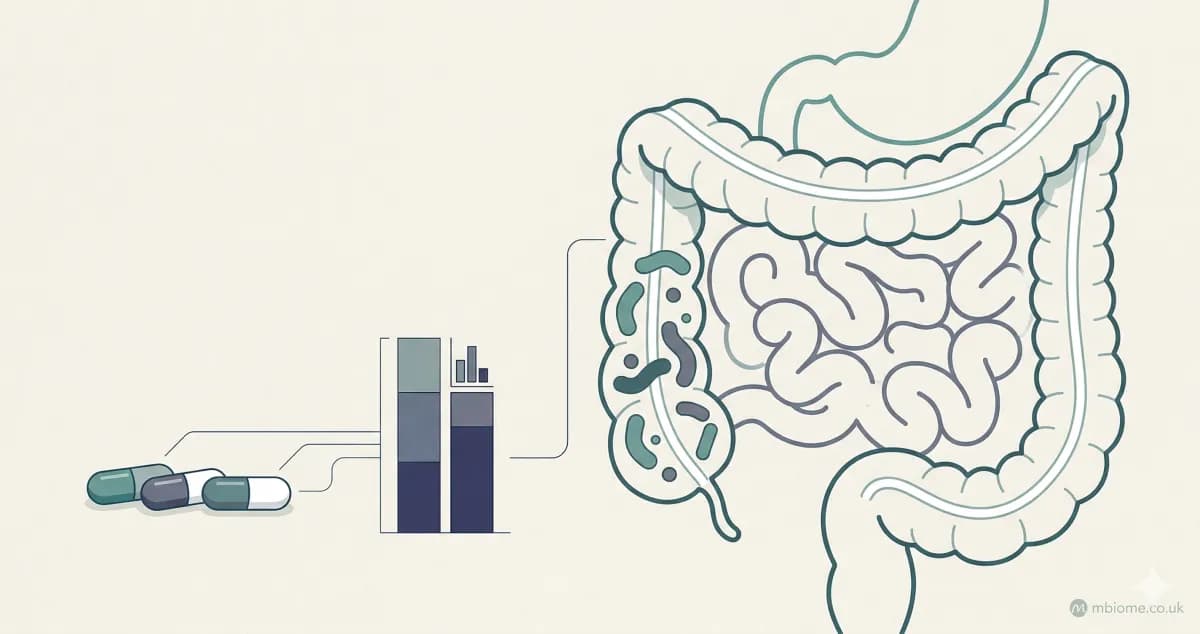
Best Probiotics for IBS: What the Research Shows
Not all probiotics help IBS, and many popular products have no clinical evidence for it. Here are the specific strains with genuine research behind them — and the honest limitations of the evidence.
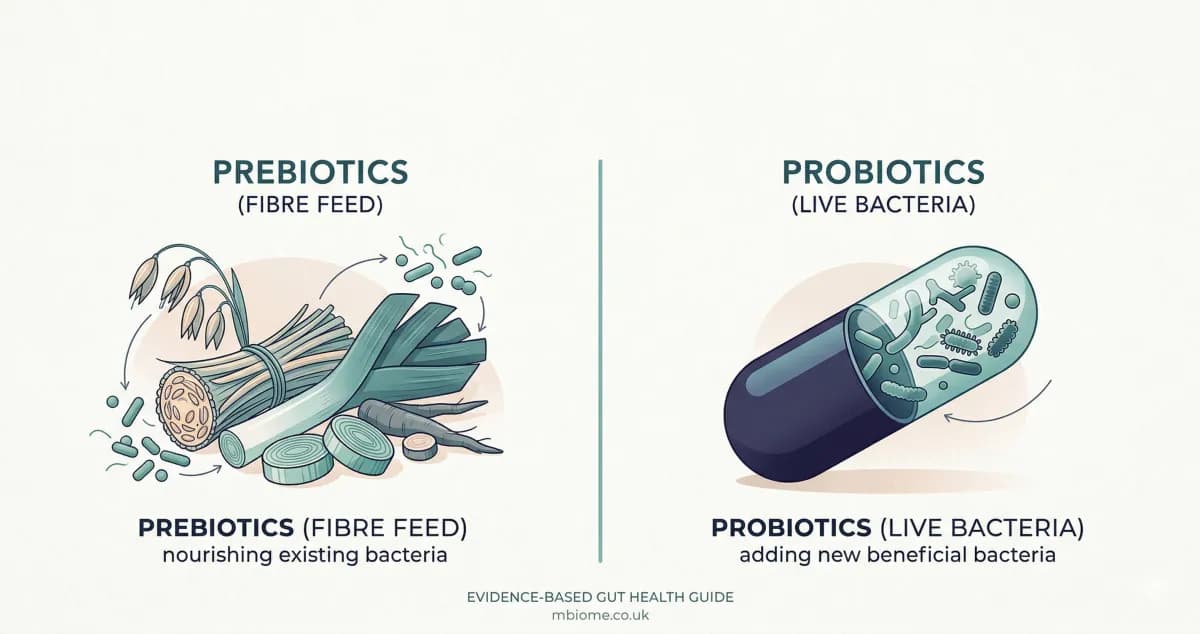
Signs of an Unhealthy Gut: What Your Body Is Telling You
Probiotics get the headlines, but prebiotics may be just as important. Here is how they differ, where to find them in food, and what the evidence says about taking both together.
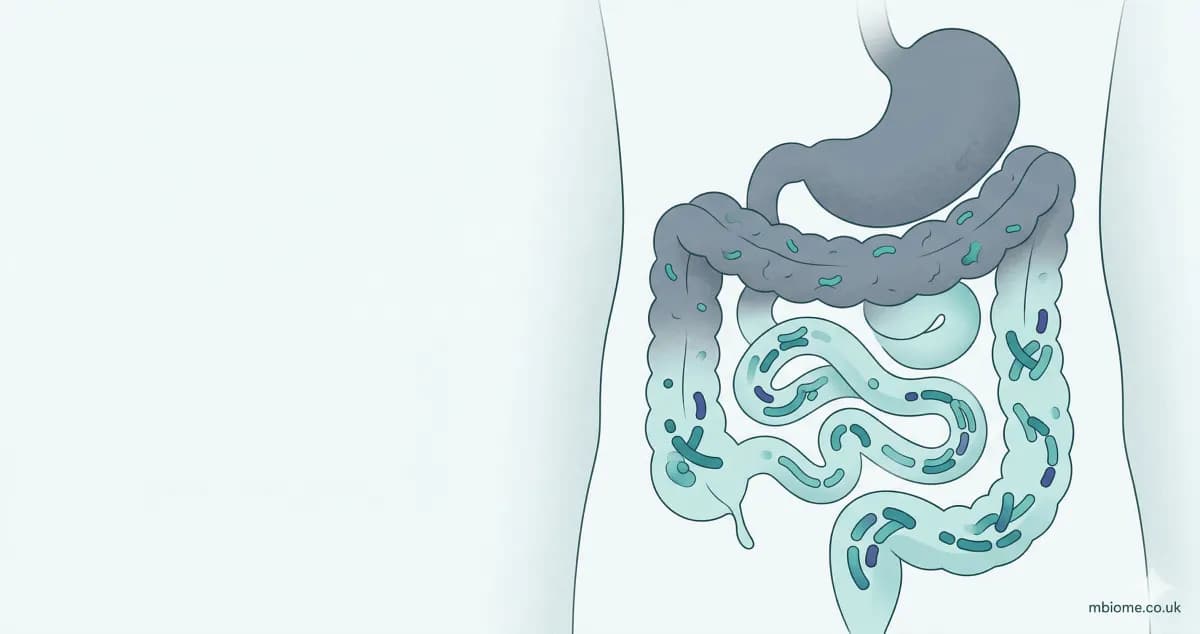
Probiotics: What the Evidence Actually Says
Probiotics are a billion-pound industry, but which strains have genuine clinical evidence behind them? We break down the research by condition and strain.
Key Terms: Probiotics & Prebiotics
Glossary terms commonly referenced in probiotics & prebiotics articles
Probiotic
Live microorganisms which, when administered in adequate amounts, confer a health benefit on the host. Benefits are strain-specific, not species-wide.
Lactobacillus
A genus of lactic acid-producing bacteria found naturally in the gut, mouth, and vaginal tract. Certain strains (L. rhamnosus GG, L. plantarum 299v) have strong clinical evidence for specific health benefits. Now reclassified into multiple genera including Lacticaseibacillus and Limosilactobacillus.
IBS (Irritable Bowel Syndrome)
A chronic functional gastrointestinal disorder characterised by abdominal pain, bloating, and altered bowel habits without identifiable structural cause. The microbiome is increasingly recognised as a contributing factor, with IBS patients typically showing reduced microbial diversity and altered bacterial composition compared to healthy controls.
CFU
Colony-Forming Units. The standard measure of viable (living) bacteria in a probiotic product. A count of 1 billion CFU means approximately 1 billion live organisms capable of replicating.
Bifidobacterium
A genus of beneficial bacteria that dominates the infant gut and remains important throughout life. Various species (B. longum, B. infantis, B. breve) are among the most studied probiotics, with evidence for IBS, immunity, and infant health.
Lactobacillus rhamnosus
One of the most extensively studied probiotic species. The strain L. rhamnosus GG has strong evidence for preventing antibiotic-associated diarrhoea and acute gastroenteritis in children. The strain L. rhamnosus JB-1 has shown anxiolytic effects in animal models via the vagus nerve, though human trials have been less conclusive.
Bifidobacterium longum
A beneficial bacterial species naturally abundant in the human gut from infancy. The strain B. longum 1714 has been studied for its effects on stress and cognitive function, showing modest benefits in human trials. B. longum subsp. infantis is particularly important for infant gut health and breast milk digestion.
Microbiome
The complete collection of microorganisms (bacteria, viruses, fungi, archaea) and their genetic material within a specific environment, such as the human gut.
GOS (Galactooligosaccharides)
Prebiotic carbohydrates structurally similar to human milk oligosaccharides. Found naturally in legumes and available as supplements. GOS has evidence for promoting Bifidobacterium growth and reducing symptoms of IBS.
FODMAP
Fermentable Oligosaccharides, Disaccharides, Monosaccharides, and Polyols — a group of short-chain carbohydrates that are poorly absorbed and rapidly fermented by gut bacteria. The low-FODMAP diet is an evidence-based treatment for IBS symptoms, developed at Monash University.
Butyrate
The most studied short-chain fatty acid, produced primarily by Faecalibacterium prausnitzii and other anaerobic bacteria. Butyrate is the primary energy source for colonocytes (colon lining cells) and has anti-inflammatory properties.
Fermentation
The metabolic process by which bacteria break down substrates (such as dietary fibre) in the absence of oxygen. In the gut, fermentation of fibre produces short-chain fatty acids, gases, and other metabolites essential for colon health.