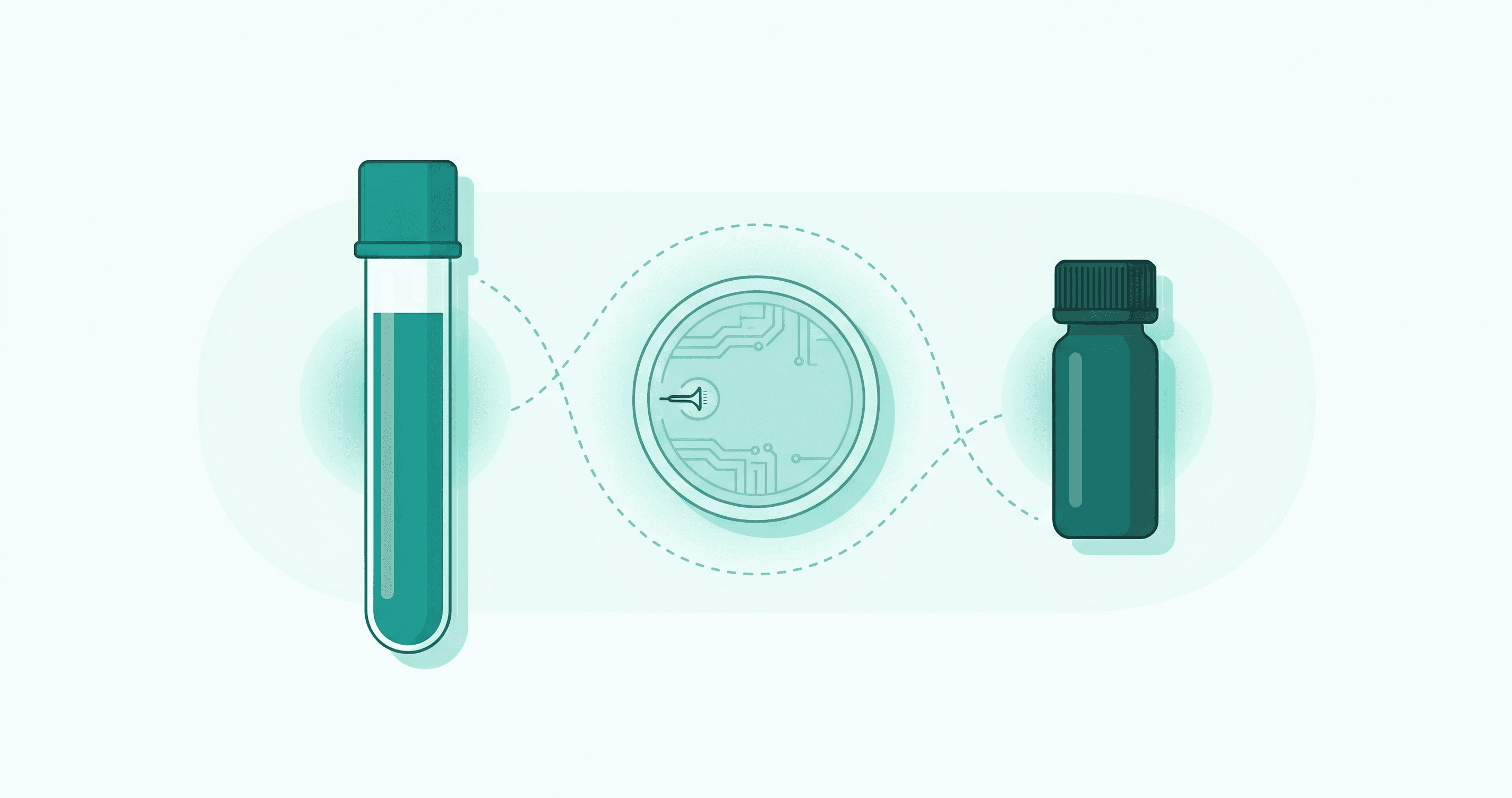
Zoe is the UK's most prominent personalised nutrition programme, founded by Professor Tim Spector of King's College London. It combines gut microbiome analysis, blood sugar monitoring, and blood fat testing to generate personalised food scores and dietary recommendations. At £299 (as of early 2026), it is a significant investment. Here is what you get, what the science says, and whether it is worth it.
What Zoe Tests
The Zoe programme involves three components:
Gut microbiome analysis — You provide a stool sample, which Zoe analyses using shotgun metagenomics. This identifies the bacteria in your gut at species level, along with functional markers that indicate what those bacteria are capable of doing. The results include diversity scores and the presence of specific "good" and "bad" gut bugs, as Zoe categorises them.
Blood sugar (glucose) monitoring — You wear a continuous glucose monitor (CGM) for two weeks. During this period, you eat standardised test meals (special muffins provided by Zoe) and log your own meals. The CGM tracks how your blood sugar responds to different foods, generating a personalised glycaemic response profile.
Blood fat testing — You eat a standardised high-fat muffin and then take a finger-prick blood test at timed intervals. This measures how quickly your body clears dietary fats from the bloodstream — your postprandial lipid response.
How the Programme Works
After completing the testing phase (roughly two weeks), Zoe generates a personalised profile. Using the Zoe app, every food is assigned a score from 0 to 100 based on how your body is predicted to respond. The algorithm combines your microbiome data, glucose responses, and fat-processing speed to calculate these scores.
The app provides daily meal logging, food scores, and dietary guidance. You can scan barcodes or search foods to see your personalised scores. Zoe also provides ongoing membership for continued access to the app and periodic retesting.
The Science Behind Zoe
Zoe's scientific foundation rests primarily on the PREDICT studies — a series of large nutritional research trials conducted by Spector and colleagues at King's College London, Massachusetts General Hospital, and Stanford University.
PREDICT 1 (2019, Nature Medicine) studied 1,002 twins and unrelated individuals, finding that individual responses to identical meals varied enormously. Genetics explained only a small fraction of this variation; the gut microbiome, meal timing, sleep, and exercise were more significant predictors.
PREDICT 2 (2020) expanded to 1,000+ US participants and confirmed that personalised nutrition predictions based on microbiome and metabolic data outperformed standard nutritional guidelines for predicting individual glycaemic and lipid responses.
PREDICT 3 (2022) studied the relationship between specific gut microbes and health markers, identifying bacterial species associated with favourable and unfavourable metabolic responses.
These studies are peer-reviewed and published in reputable journals. The science is genuine. However, there are important caveats:
- The PREDICT studies demonstrate that personalised prediction of dietary responses is possible — they do not yet demonstrate that acting on these predictions improves long-term health outcomes
- The specific food scoring algorithm used in the Zoe app has not been independently validated in a clinical trial
- The studies were partly funded by Zoe, which is standard in nutritional research but worth noting
What You Get
Strengths: - Shotgun metagenomics is the gold standard for gut microbiome analysis — more detailed than the 16S rRNA tests used by many competitors - The CGM data provides genuinely personalised glucose response information that cannot be obtained any other way without clinical testing - The PREDICT research is solid and the personalised nutrition approach is scientifically grounded - The app is well-designed and makes complex data accessible - The programme encourages dietary diversity, fibre intake, and fermented foods — advice that benefits virtually everyone
Limitations: - £299 is a significant outlay, and ongoing membership adds further cost - The microbiome test is a single snapshot — your microbiome fluctuates daily, as discussed in our article on microbiome test accuracy - Food scores can feel reductive — reducing the complexity of nutrition to a single number inevitably oversimplifies - The programme cannot diagnose or treat medical conditions — if you have IBS, coeliac disease, or other digestive conditions, you need clinical investigation first - Some of the dietary advice (eat more fibre, more plants, less ultra-processed food) is universally good advice that does not require a £299 test
Is It Worth It?
Potentially worth it if: - You are genuinely curious about your individual metabolic responses and have the budget - You are metabolically healthy but want to optimise your diet based on personalised data - You are motivated by data and app-based tracking — the gamification element drives real behaviour change for some people - You have already tried general healthy eating advice and want to go further
Probably not worth it if: - You have undiagnosed digestive symptoms — see your GP first - You are looking for a medical diagnosis or treatment plan - Your budget is tight — the same £299 spent on high-quality whole foods, high-fibre ingredients, and fermented foods would almost certainly have a greater impact on your gut health - You already eat a varied, plant-rich diet — the marginal benefit of personalised scoring decreases as your baseline diet improves
Verdict
Zoe is the most scientifically credible personalised nutrition programme currently available in the UK. The underlying research is genuine, the testing methodology is sound, and the app is well executed. However, the leap from "we can predict your dietary responses" to "this will improve your health" remains unproven in long-term clinical trials. For most people, the fundamentals — more fibre, more plants, more fermented foods, less processed food — will deliver the majority of the benefit at a fraction of the cost. Zoe is a premium tool for those who want data-driven dietary optimisation and have the budget for it.
Medical disclaimer: This article is for educational purposes only and does not constitute medical advice. Always consult a qualified healthcare professional before making changes to your diet, starting supplements, or making decisions about your health.
Related Articles
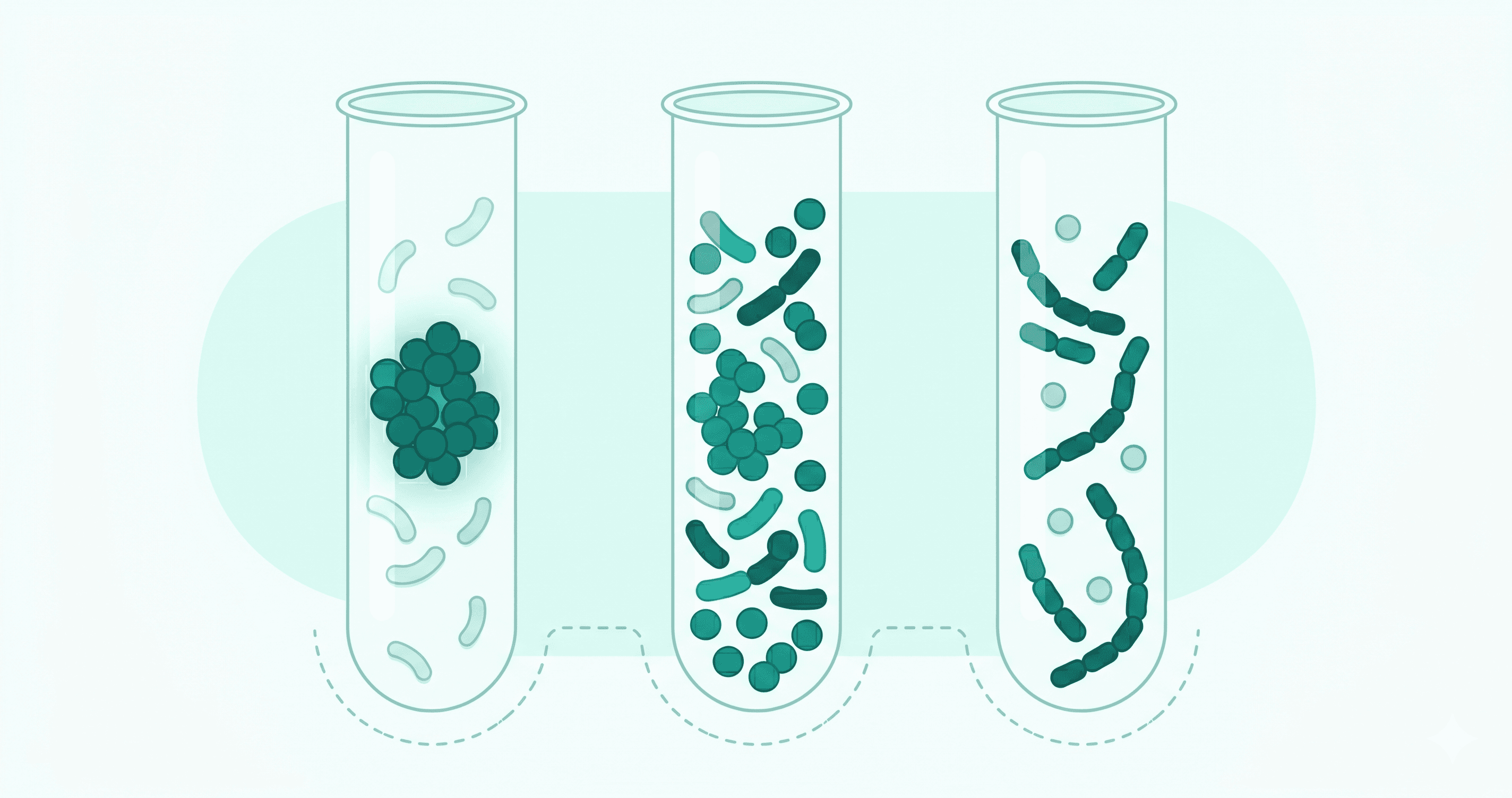
How Accurate Are Gut Microbiome Tests? What the Science Says
Commercial microbiome tests promise personalised insights, but how reproducible are the results? We examine inter-lab variation, sequencing methods, and what the science says about accuracy.
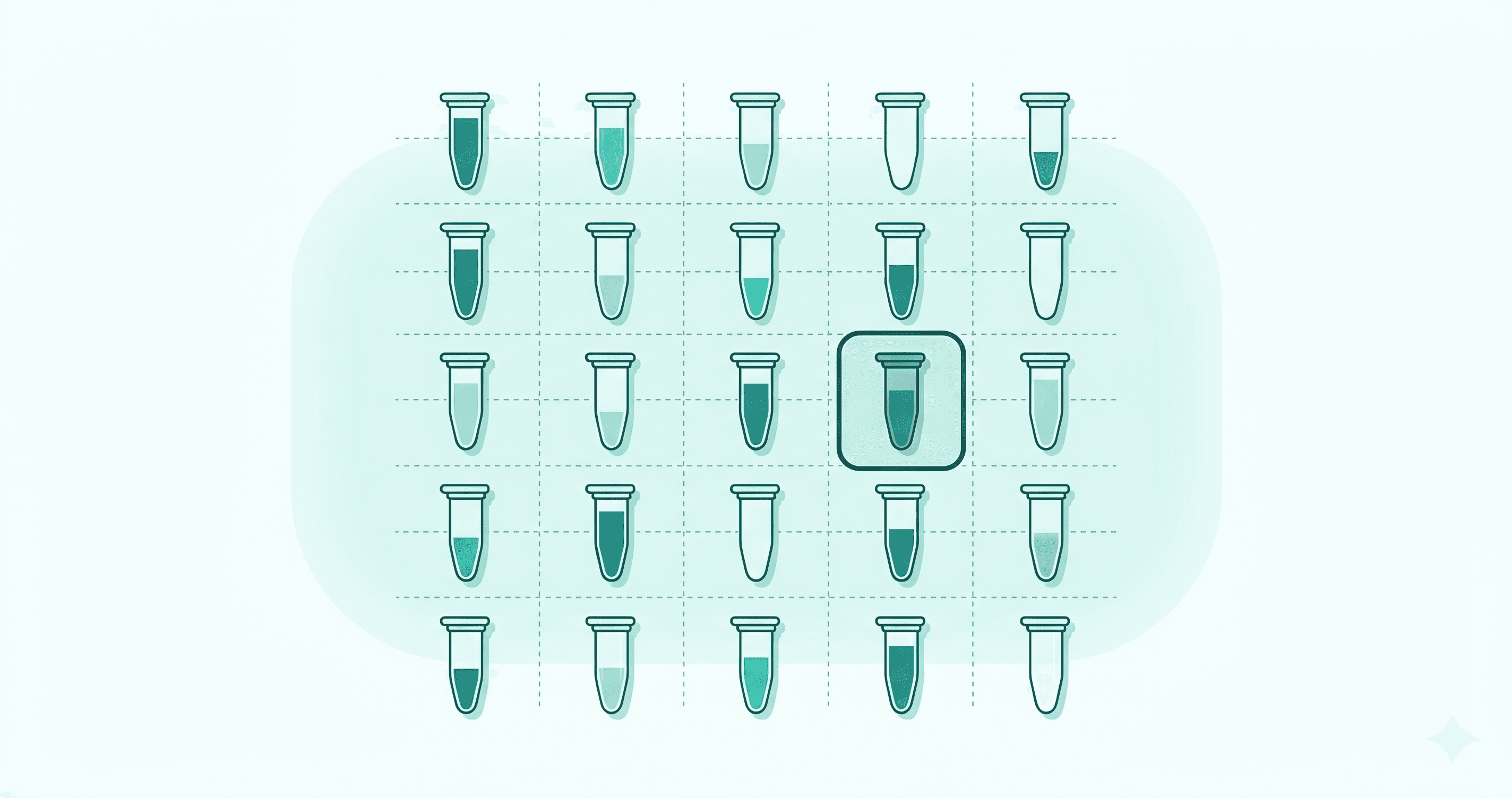
A Practical Guide to Microbiome Testing in the UK
From Zoe to Atlas Biomed and Thriva, the UK market for microbiome tests is growing. Here is what each test measures, what it costs, and whether you actually need one.
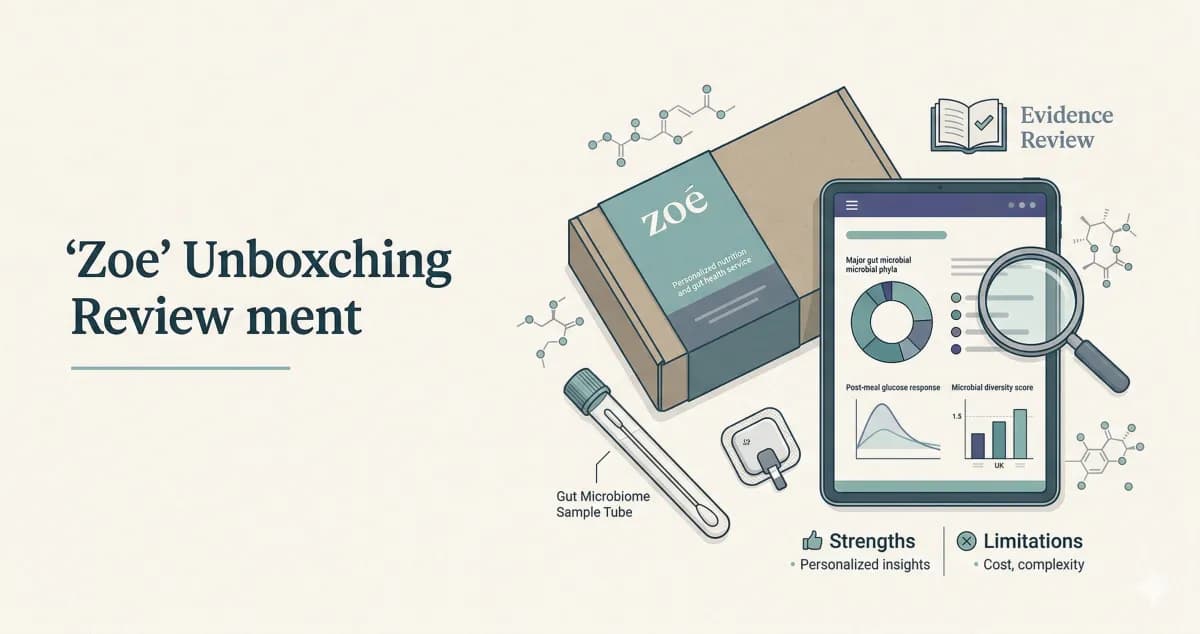
ZOE Review — Is Personalised Nutrition Testing Worth It?
ZOE promises to decode your unique biology through gut microbiome, blood sugar, and blood fat testing. We examine the science, the experience, and whether it delivers value.
Explore Other Topics
Related articles from across mbiome
Ultra-Processed Food and Gut Health: What the Science Says
The UK gets 57% of its calories from ultra-processed food — more than almost any other country. A growing body of research links this dietary pattern to gut microbiome disruption, reduced diversity, and impaired gut barrier function.
Gut-Brain AxisMicrobiome and Mental Health: Separating Science from Hype
Headlines claim gut bacteria can cure depression and anxiety. The reality is more nuanced — but the science connecting the microbiome to mental health is genuine, growing, and worth understanding properly.
Gut HealthThe Baby Microbiome: Why the First 1,000 Days Shape Lifelong Health
From birth to age three, a child's microbiome undergoes the most dramatic development it will ever experience. How a baby is born, fed, and raised has lasting consequences for immune function, allergy risk, and metabolic health.
Key Terms
Glossary terms mentioned in this article
IBS (Irritable Bowel Syndrome)
A chronic functional gastrointestinal disorder characterised by abdominal pain, bloating, and altered bowel habits without identifiable structural cause. The microbiome is increasingly recognised as a contributing factor, with IBS patients typically showing reduced microbial diversity and altered bacterial composition compared to healthy controls.
Shotgun Metagenomics
A sequencing approach that reads all DNA in a sample, not just bacterial marker genes. Provides higher resolution than 16S rRNA sequencing, including strain-level identification, functional gene analysis, and detection of viruses and fungi.
16S rRNA Sequencing
A molecular technique that identifies bacteria by sequencing a specific gene (16S ribosomal RNA) present in all bacteria. Used in most commercial microbiome tests. Can identify bacteria to genus level but often lacks strain-level resolution.
Microbiome
The complete collection of microorganisms (bacteria, viruses, fungi, archaea) and their genetic material within a specific environment, such as the human gut.