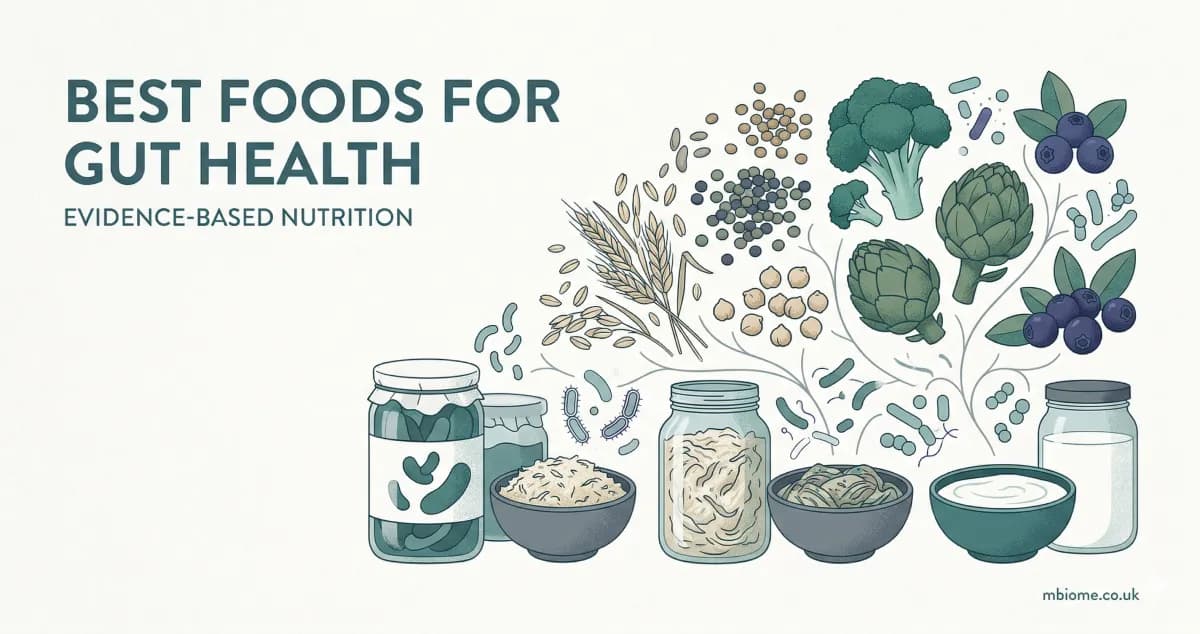
Improving your gut health does not require expensive supplements or exotic ingredients. The most effective approach is consistently eating a diverse range of whole foods that feed and support your gut microbiome. This guide focuses on what you can actually find in a UK supermarket.
The Science in Brief
Your gut bacteria thrive on three things:
- Fibre — fermented into short-chain fatty acids (SCFAs) that protect the gut lining and reduce inflammation. See our detailed guide to fibre and the microbiome.
- Polyphenols — plant compounds that act as fuel for beneficial bacteria and have direct anti-inflammatory effects
- Live microorganisms — from fermented foods, which add to microbial diversity
The Stanford study by Wastyk et al. (2021, Cell) compared a high-fibre diet to a high-fermented-food diet over 10 weeks and found that fermented foods increased microbial diversity more effectively, while high fibre increased SCFA-producing capacity. The takeaway: you want both.
Fermented Foods
These contain live microorganisms that contribute directly to your gut microbial community. The key is choosing products with live cultures — pasteurised versions have killed the bacteria.
1. Live Yoghurt Look for "live cultures" on the label. Plain, full-fat yoghurt from brands like Yeo Valley, The Collective, or supermarket own-brand bio yoghurt. Avoid flavoured varieties — they are often ultra-processed with added sugar. Add your own fruit.
2. Kefir A fermented milk drink with a wider range of bacterial and yeast species than yoghurt — typically 30+ strains versus yoghurt's 2–5. Biotiful is widely available in UK supermarkets. Start with a small glass (150ml) if you are new to it.
3. Sauerkraut Fermented cabbage, rich in Lactobacillus species. Buy from the chilled section — shelf-stable jars have been pasteurised. Biona and Loving Foods are reliable UK brands. Easy to make at home with just cabbage and salt.
4. Kimchi Korean fermented vegetables, typically spicier and more complex than sauerkraut. Available in most larger supermarkets. Check labels for live cultures.
5. Miso Fermented soybean paste used in Japanese cooking. Rich in Aspergillus oryzae and various Lactobacillus species. Add to soups and dressings — but after cooking, as high heat kills the live cultures. Clearspring is widely available.
6. Kombucha Fermented tea containing bacteria and yeasts. Widely available but check sugar content — some brands add significant sugar after fermentation. Equinox and Fix8 are lower-sugar UK options.
High-Fibre Staples
These foods feed your existing beneficial bacteria, driving SCFA production. As discussed in our article on ultra-processed food and gut health, replacing processed staples with these whole-food alternatives is one of the most impactful changes you can make.
7. Porridge Oats A superb source of **beta-glucans** — a soluble fibre that feeds Bifidobacterium and Lactobacillus species. Cheap, versatile, and available everywhere. Aim for plain rolled or steel-cut oats, not instant sachets with added sugar and flavouring.
8. Chickpeas and Lentils Legumes are among the best prebiotic foods available. An 80g serving of chickpeas provides over 5g of fibre, including galacto-oligosaccharides (GOS) that selectively feed beneficial bacteria. Tinned versions are perfectly fine — the canning process reduces some of the oligosaccharides that cause gas.
9. Black Beans and Kidney Beans Similar benefits to chickpeas and lentils. Tinned are convenient and widely available. Aim to include legumes in your diet at least 3–4 times per week.
10. Leeks and Onions Rich in **inulin**, a well-studied prebiotic fibre. Leeks are particularly high in inulin and are available in UK supermarkets year-round, with best quality from autumn through early spring.
11. Garlic Contains inulin and fructo-oligosaccharides (FOS). Best used raw or lightly cooked to preserve the prebiotic compounds. Even cooked garlic contributes some prebiotic benefit.
12. Jerusalem Artichokes One of the richest natural sources of inulin — up to 20% by weight. Available seasonally in the UK from November to March, often in farmers' markets and larger supermarkets. Start with small portions, as the high inulin content can cause significant gas in unaccustomed guts.
13. Wholegrain Rye Bread Higher in fibre than standard wholemeal bread, with a lower glycaemic index. Biona and Mestemacher rye breads are widely available. The fermentation in sourdough rye adds additional benefits.
Polyphenol-Rich Foods
Polyphenols are plant compounds that your body only partially absorbs — the majority reach the colon where they are metabolised by gut bacteria, acting as a form of prebiotic. A study by Moreno-Indias et al. (2016, Food & Function) found that polyphenol consumption significantly increased Bifidobacterium and Lactobacillus populations.
14. Berries Blueberries, raspberries, blackberries, and strawberries are all rich in anthocyanins and ellagitannins — polyphenols with strong prebiotic effects. Frozen berries are nutritionally equivalent to fresh and available year-round at lower cost.
15. Extra Virgin Olive Oil Rich in polyphenols (oleocanthal, hydroxytyrosol) that have both prebiotic and anti-inflammatory effects. Use as your primary cooking and dressing oil. Choose cold-pressed, extra virgin, in dark bottles.
16. Green Tea Contains catechins, particularly EGCG, which promote the growth of Bifidobacterium and Lactobacillus while inhibiting potentially harmful species like Clostridium. Two to three cups per day provides a meaningful dose.
17. Dark Chocolate (70%+) Cocoa is one of the richest polyphenol sources available. A study by Tzounis et al. (2011, American Journal of Clinical Nutrition) found that high-cocoa chocolate significantly increased Bifidobacterium and Lactobacillus populations. Choose 70% cocoa solids or higher; milk chocolate does not provide the same benefit.
18. Red Onions Contain quercetin, a polyphenol with both prebiotic and anti-inflammatory properties. Higher in polyphenols than white or brown onions.
Resistant Starch Sources
Resistant starch passes through the small intestine undigested and is fermented by colon bacteria, producing butyrate. The simplest way to increase it is through the "cook and cool" method.
19. Cooked and Cooled Potatoes When potatoes are cooked and then cooled (even if reheated afterwards), a portion of the starch retrogrades — converting from digestible to resistant starch. Potato salad, leftover roast potatoes reheated, and cold potatoes in packed lunches all count.
20. Green (Slightly Unripe) Bananas Contain significantly more resistant starch than ripe bananas. As bananas ripen, resistant starch converts to sugar. For gut health, slightly green bananas are preferable.
Seasonal UK Availability
To help with meal planning, here is a rough guide to seasonal availability for key gut-health foods:
- Spring (Mar–May): Asparagus, spring onions, purple sprouting broccoli, rhubarb, new-season leeks
- Summer (Jun–Aug): Berries (peak season — cheapest and best), broad beans, runner beans, peas, courgettes
- Autumn (Sep–Nov): Apples, pears, beetroot, Jerusalem artichokes (from Nov), squash, blackberries
- Winter (Dec–Feb): Leeks, kale, Brussels sprouts, parsnips, Jerusalem artichokes, stored root vegetables
Tinned and frozen options — particularly beans, lentils, berries, and vegetables — are available year-round and are nutritionally comparable to fresh.
A Simple Weekly Meal Plan Skeleton
This is not a prescriptive meal plan — it is a framework to help you incorporate more gut-friendly foods into a normal UK diet:
Breakfast rotation: - Porridge with frozen berries, flaxseeds, and a drizzle of honey - Live yoghurt with fruit, nuts, and seeds - Sourdough toast with avocado or nut butter - Overnight oats with kefir instead of milk
Lunch ideas: - Lentil soup with wholegrain rye bread - Chickpea salad with extra virgin olive oil, lemon, and vegetables - Bean chilli with brown rice (batch cook and freeze) - Leftover roasted vegetables with hummus and wholemeal pitta
Dinner ideas: - Stir-fry with tofu or chicken, lots of vegetables, served on brown rice - Salmon with roasted sweet potato, broccoli, and leeks - Wholemeal pasta with garlic, tinned tomatoes, onions, and a side salad - Lentil dhal with brown rice and a side of sauerkraut
Snacks: - Handful of almonds or walnuts - Apple slices with nut butter - Vegetable sticks with hummus - Small square of dark chocolate (70%+)
Aim for at least one fermented food per day, legumes 3–4 times per week, and as many different plant foods as possible across the week. As covered in our article on gut microbiome testing, you do not need a test to know that this approach will benefit your gut — the evidence is clear. The Mediterranean diet follows these exact principles and has the strongest evidence base of any dietary pattern for gut health.
Key Takeaways
- Focus on three pillars: fibre, fermented foods, and polyphenol-rich plants
- Fermented foods (kefir, live yoghurt, sauerkraut) increase microbial diversity more effectively than fibre alone (Wastyk et al., 2021)
- Legumes (chickpeas, lentils, beans) are among the most powerful prebiotic foods and are cheap, widely available, and versatile
- The "cook and cool" method for potatoes and rice increases resistant starch at no extra cost
- Frozen berries and tinned pulses are nutritionally equivalent to fresh — use them freely
- Aim for 30+ different plant foods per week to maximise microbial diversity
- No single food is a magic bullet — consistency and variety are what matter most
Medical disclaimer: This article is for educational purposes only and does not constitute medical advice. Always consult a qualified healthcare professional before making changes to your diet, starting supplements, or making decisions about your health.
Related Articles
The Mediterranean Diet and the Microbiome: Why It Keeps Topping the Evidence
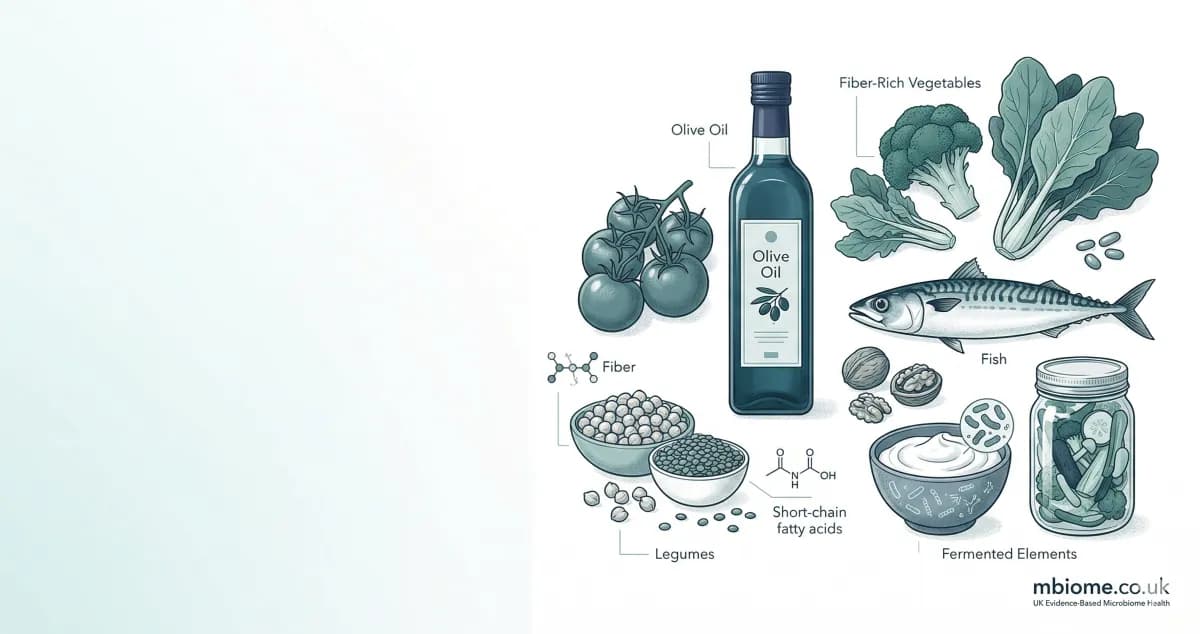
The Mediterranean diet is the most studied dietary pattern in microbiome research, consistently linked to greater microbial diversity, reduced inflammation, and better metabolic health. Here's what the science shows and how to apply it.

Fermented Foods and Gut Health: A Complete UK Guide
Fermented foods are one of the most effective ways to increase microbial diversity. Here is what the Stanford research found, which foods to choose, where to find them in the UK, and how much you actually need to eat.
Fibre and the Microbiome: Why It Matters More Than Probiotics
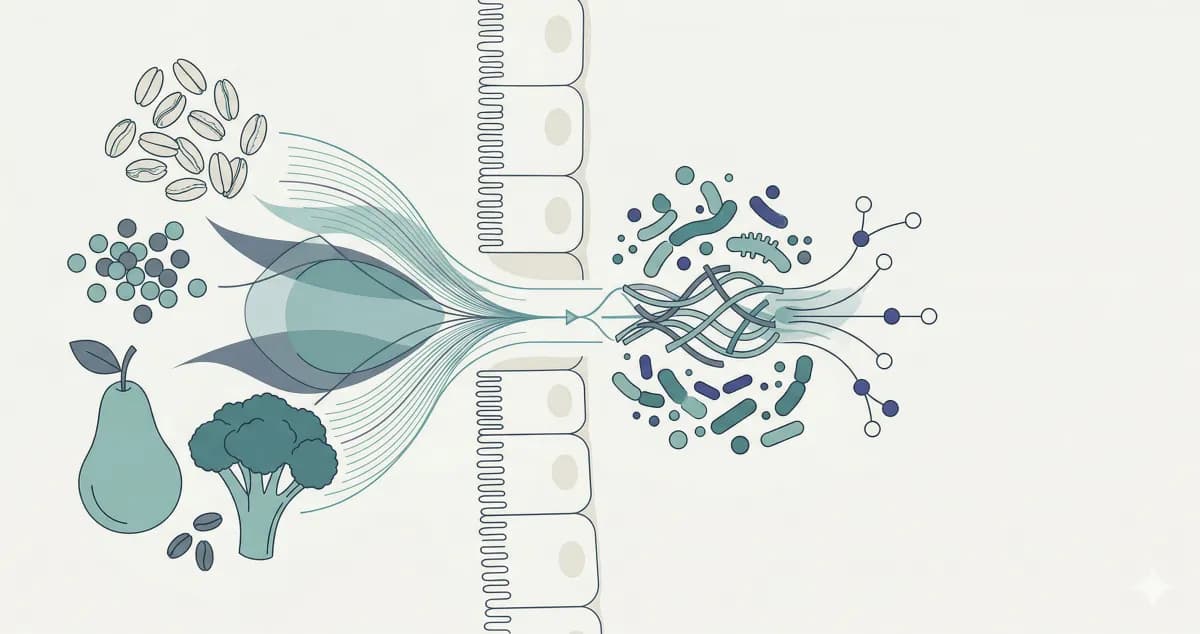
The UK averages just 18g of fibre per day — far below the recommended 30g. This dietary shortfall may be starving the very bacteria your gut needs to keep you healthy.
Explore Other Topics
Related articles from across mbiome
Gut Microbiome Tests: Are They Worth It?
Commercial microbiome tests promise personalised health insights from a stool sample. But how reliable are they, what do they actually measure, and should you spend £100–300 on one? We examine the science and the limitations.
Gut-Brain AxisMicrobiome and Mental Health: Separating Science from Hype
Headlines claim gut bacteria can cure depression and anxiety. The reality is more nuanced — but the science connecting the microbiome to mental health is genuine, growing, and worth understanding properly.
Gut HealthGut Health After 50: How the Microbiome Changes with Age and What You Can Do
After 50, microbial diversity naturally declines while inflammation-associated bacteria increase. Understanding these shifts can help you protect your gut health, immunity, and cognitive function as you age.
Key Terms
Glossary terms mentioned in this article
Short-Chain Fatty Acids (SCFAs)
Metabolites produced when gut bacteria ferment dietary fibre. The three main SCFAs — butyrate, propionate, and acetate — are critical for colon health, immune regulation, and energy metabolism.
GOS (Galactooligosaccharides)
Prebiotic carbohydrates structurally similar to human milk oligosaccharides. Found naturally in legumes and available as supplements. GOS has evidence for promoting Bifidobacterium growth and reducing symptoms of IBS.
FOS (Fructooligosaccharides)
Short-chain prebiotics found naturally in onions, garlic, bananas, and asparagus. Like inulin, FOS selectively promotes the growth of beneficial bacteria, particularly Bifidobacterium species.
Mediterranean Diet
A dietary pattern emphasising vegetables, fruits, wholegrains, legumes, nuts, olive oil, and fish, with moderate dairy and limited red meat. It is the most studied dietary pattern in microbiome research, consistently linked to greater microbial diversity, higher SCFA production, and reduced inflammation.
Resistant Starch
A type of starch that resists digestion in the small intestine and reaches the colon intact, where it is fermented by bacteria to produce short-chain fatty acids. Found in cooked and cooled potatoes, green bananas, oats, and legumes.
Bifidobacterium
A genus of beneficial bacteria that dominates the infant gut and remains important throughout life. Various species (B. longum, B. infantis, B. breve) are among the most studied probiotics, with evidence for IBS, immunity, and infant health.
Lactobacillus
A genus of lactic acid-producing bacteria found naturally in the gut, mouth, and vaginal tract. Certain strains (L. rhamnosus GG, L. plantarum 299v) have strong clinical evidence for specific health benefits. Now reclassified into multiple genera including Lacticaseibacillus and Limosilactobacillus.
Fermentation
The metabolic process by which bacteria break down substrates (such as dietary fibre) in the absence of oxygen. In the gut, fermentation of fibre produces short-chain fatty acids, gases, and other metabolites essential for colon health.